

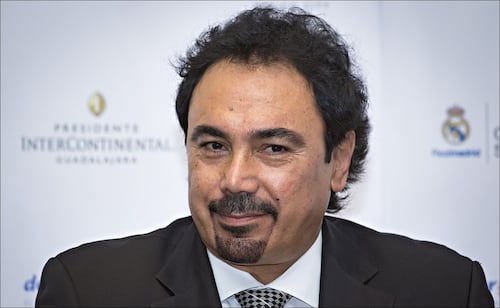
Hugo Sánchez calls for unity and zero violence in Mexico for the 2026 World Cup
Translated from Spanish, summarized and contextualized by DistantNews.
TLDR
- Football legend Hugo Sánchez urged Mexicans to unite and avoid violence for the 2026 World Cup.
- He emphasized Mexico's historic role as the first country to host three World Cups.
- Sánchez called for passionate, supportive fan behavior to boost the national team's performance.
As Mexico prepares to co-host the 2026 World Cup, football icon Hugo Sánchez has issued a powerful call for national unity and a zero-tolerance approach to violence. Speaking at the official launch of the Panini World Cup album, Sánchez, affectionately known as 'Pentapichichi,' reminded Mexicans of their unique place in football history as the first nation to host the tournament three times. He stressed that this distinction is not merely a statistic but a testament to Mexico's enduring passion for the sport and its unparalleled ability to create a festive, welcoming atmosphere for global visitors. Sánchez's message resonates deeply within Mexico, where the World Cups of 1970 and 1986 are remembered not just for the football on the field but for the vibrant spirit and hospitality that defined the nation. He implored fans to channel their energy positively, urging them to support the national team with unwavering enthusiasm rather than resorting to boos or criticism. From his perspective, the fans are an integral part of the team, and their collective energy can significantly influence the players' performance on the grandest stage. This sentiment reflects a broader cultural understanding in Mexico, where football is more than just a game; it's a source of national pride and collective identity, and the 2026 World Cup presents an opportunity to showcase this spirit to the world once again.
We are the best in the world, not only the best fans in the world, but we are the best country in the world. And we have to compliment ourselves, because we have a lot of pride.
DistantNews Editorial
Originally published by El Universal in Spanish. Translated, summarized, and contextualized by our editorial team with added local perspective. Read our editorial standards.
More Stories


From Our Blog

What Press Freedom Means for the News You Read

What Gets Lost (and Found) When News Is Translated

The Critical Role of Diaspora Media in Global News

What Travellers Should Know About Countries with Restricted Press

A Digital Nomad's Guide to Following Local News
