

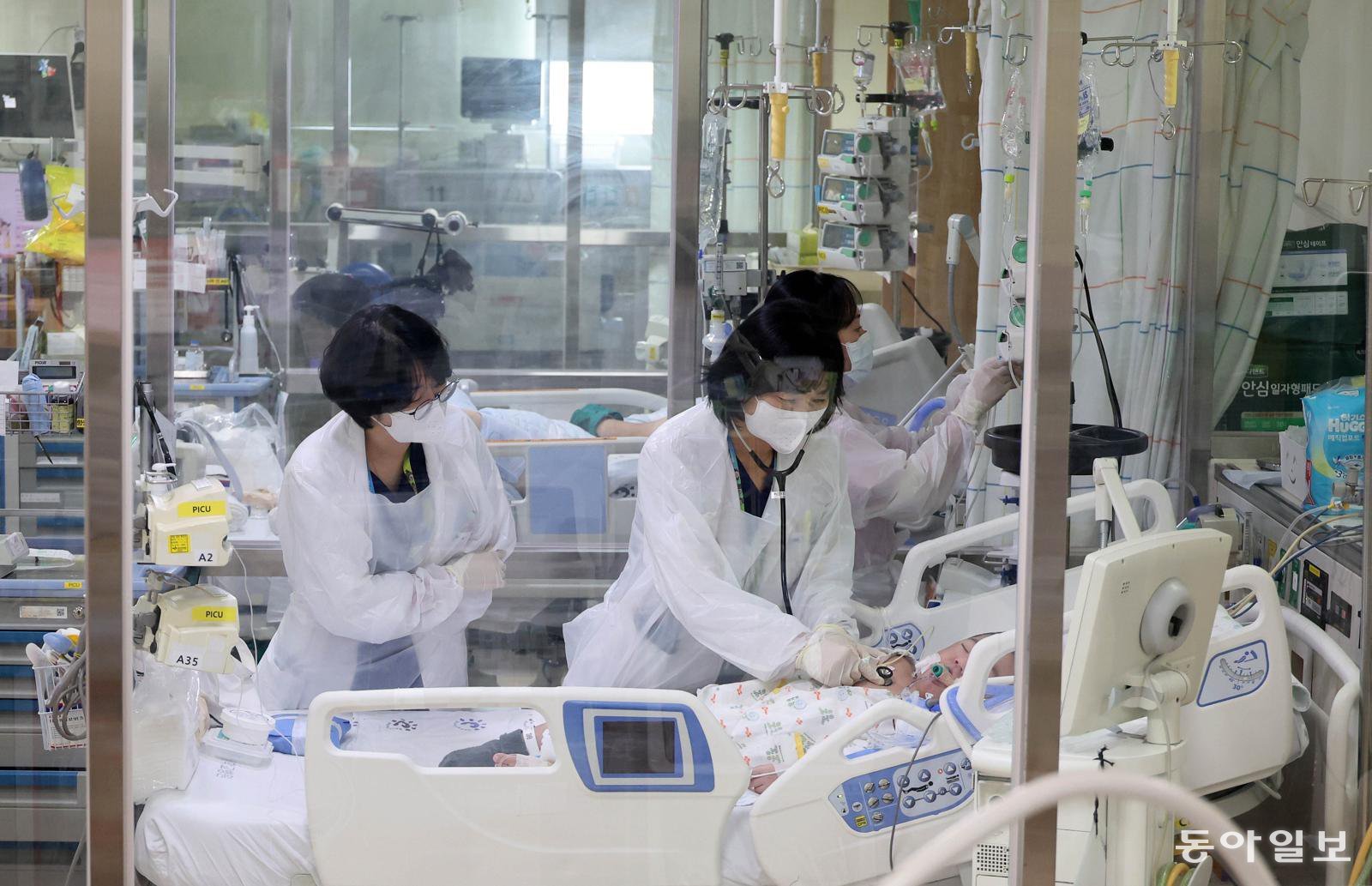

Humidity, not just heat, poses greater risk to heart and lung patients
Translated from Korean, summarized and contextualized by DistantNews.
At a glance
News
Sources not specified
Context piece
- High humidity combined with heat poses significant health risks, particularly for individuals with chronic heart and lung conditions.
- Medical experts advise patients with cardiovascular or respiratory issues to seek immediate medical attention if they experience dizziness, chest pain, or difficulty breathing.
- Maintaining hydration, adhering to medication, and avoiding strenuous outdoor activity are crucial for managing health during humid heatwaves.
South Korea faces a health threat not just from heatwaves, but from the accompanying high humidity, which medical experts warn significantly increases risks for those with chronic heart and lung conditions. The combination of intense heat and moisture hinders the body's ability to regulate temperature through sweat, placing extra strain on the cardiovascular and respiratory systems.
Individuals with conditions such as heart failure, ischemic heart disease, chronic obstructive pulmonary disease (COPD), asthma, and chronic kidney disease are particularly vulnerable. Medical professionals emphasize that these patients are at a higher risk of heat-related illnesses and the worsening of their underlying conditions. For those with cardiovascular issues, the increased strain can lead to angina, heart failure exacerbation, or arrhythmias. Sudden dizziness, chest pain, or shortness of breath in such environments necessitates immediate medical evaluation.
Medical professionals emphasize that these patients are at a higher risk of heat-related illnesses and the worsening of their underlying conditions.
Patients with cerebrovascular diseases also face elevated risks of stroke due to dehydration and blood pressure fluctuations. Prompt hydration and immediate emergency care for symptoms like sudden paralysis, speech impairment, or severe headaches are critical. Similarly, COPD and asthma patients may find breathing more difficult in humid conditions, underscoring the importance of staying in cool, air-conditioned environments and using prescribed inhalers regularly.
Prompt hydration and immediate emergency care for symptoms like sudden paralysis, speech impairment, or severe headaches are critical.
Caregivers for patients with dementia or Parkinson's disease must be especially vigilant, as these individuals may have a reduced ability to recognize heat or express thirst. Regular fluid intake and maintaining a cool indoor environment are essential, with prompt medical attention required for any changes in consciousness or mobility. For those with chronic kidney disease, careful management of fluid intake, as advised by healthcare providers, is vital to prevent dehydration and electrolyte imbalances. Any decrease in urine output, severe swelling, or altered consciousness warrants immediate medical consultation.
Even patients undergoing cancer treatment, who often have compromised immune systems and reduced thermoregulation, need to take precautions. Avoiding prolonged outdoor exposure, ensuring adequate rest, and consulting medical staff for fever or severe dehydration are important. While physical activity is encouraged to combat muscle loss, low-intensity exercises for 10-15 minutes daily are recommended, avoiding strenuous activity during peak heat.
Medical experts warn that high humidity during heatwaves makes it difficult for the body to regulate temperature by hindering sweat evaporation, increasing the burden on the heart and lungs.
Dietary considerations are also key. Despite potential loss of appetite due to heat, maintaining a balanced diet rich in vegetables, fruits, and quality protein is important, especially for cancer patients needing to preserve muscle mass. Regular, small sips of water are recommended over waiting until thirsty, with electrolyte drinks used judiciously to replenish lost salts. However, excessively cold beverages can cause gastrointestinal distress. Ultimately, avoiding outdoor activities during the hottest parts of the day, maintaining a comfortable indoor temperature, and staying hydrated are paramount for all individuals, especially those with chronic health conditions, to prevent severe complications.
It is important for patients with severe and chronic illnesses to practice both chronic disease management and heat illness prevention simultaneously during periods of high heat and humidity to prevent severe complications.
DistantNews Editorial
Originally published by Dong-A Ilbo in Korean. Translated, summarized, and contextualized by our editorial team with added local perspective. Read our editorial standards.
More Stories

From Our Blog

What Gets Lost (and Found) When News Is Translated

The Critical Role of Diaspora Media in Global News

What Travellers Should Know About Countries with Restricted Press

A Digital Nomad's Guide to Following Local News

How the Same Story Looks Different in Different Countries
