

Raising children in South Korea shouldn't be an adventure to find doctors
Translated from Korean, summarized and contextualized by DistantNews.
At a glance
Opinion
Sources not specified
Context piece
- South Korea faces a critical shortage of pediatric intensive care unit (PICU) beds and specialists, particularly outside Seoul.
- The lack of specialized care significantly increases mortality rates for critically ill children, with regional disparities exacerbating the problem.
- Experts attribute the crisis to low medical fees and legal risks, urging increased government investment in pediatric public specialized care centers.
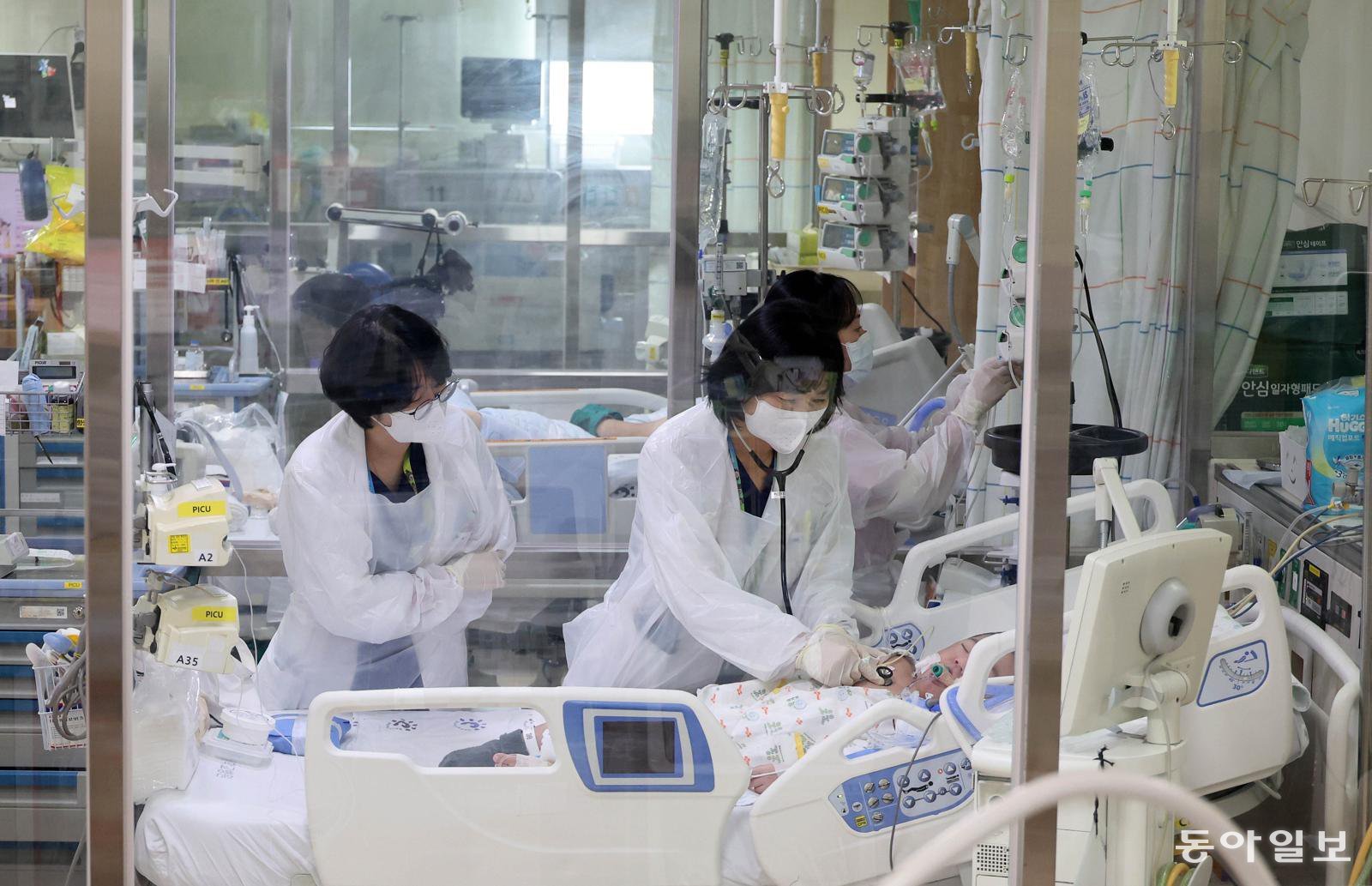
South Korea's pediatric healthcare system is in crisis, with a severe shortage of pediatric intensive care unit (PICU) beds and specialists, particularly impacting regions outside the capital. The nation's only PICU for the Busan, Ulsan, and Gyeongnam region, serving over a million children, is struggling to cope with demand.
Annually, approximately 8,000 critically ill children, often suffering from congenital heart defects or severe infections, require intensive care. However, the country has only 165 PICU beds across 15 hospitals, staffed by just 34 specialists. This scarcity means critically ill children are often admitted to general ICUs, where their mortality rate is three times higher due to the lack of specialized care tailored to the unique physiological needs of infants and children.
The disparity is starkly evident in regional access. Sixty percent of all PICU beds and 70% of specialists are concentrated in Seoul. Gyeonggi Province, home to about 2 million children, has only one PICU with six beds at Severance Hospital, Bundang. Even areas like Chungbuk, which lacks a dedicated specialist, see patients flocking to limited facilities.
This collapse in pediatric medical infrastructure, including high-risk deliveries and specialized treatments, is attributed to a combination of persistently low medical fees and accumulating legal risks. As doctors leave the field, the workload on remaining physicians intensifies, creating a vicious cycle. While the government has recently introduced support measures like increased fees, experts warn that training new specialists will take over a decade.
To bridge this critical gap, there are urgent calls for concentrated resources and more substantial investment in pediatric public specialized care centers. The goal is to ensure that raising a child in South Korea does not become an arduous journey of seeking medical care.
We are on standby 24 hours a day, 365 days a year for the past three years.
DistantNews Editorial
Originally published by Dong-A Ilbo in Korean. Translated, summarized, and contextualized by our editorial team with added local perspective. Read our editorial standards.
More Stories


From Our Blog

What Gets Lost (and Found) When News Is Translated

The Critical Role of Diaspora Media in Global News

What Travellers Should Know About Countries with Restricted Press

A Digital Nomad's Guide to Following Local News

How the Same Story Looks Different in Different Countries
