

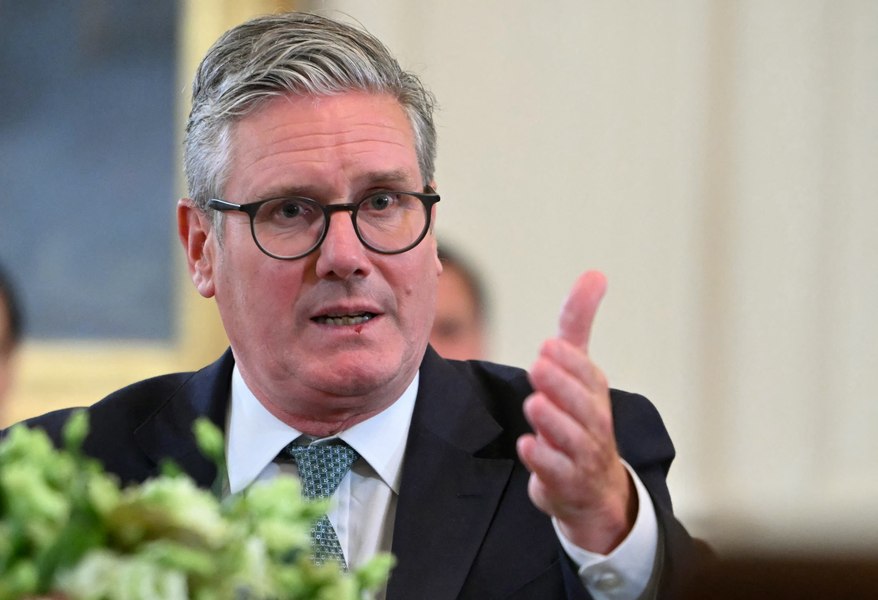

Hungary Enters New Era as Péter Magyar Sworn In as Prime Minister
Translated from Romanian, summarized and contextualized by DistantNews.
TLDR
- Péter Magyar was sworn in as Hungary's new prime minister, marking the end of Viktor Orbán's long tenure.
- Magyar's Tisza party secured a significant victory, signaling a shift in Hungary's relationship with the EU.
- Hungarians have high expectations for Magyar, hoping for changes to address issues like the cost of living and the state of public services.
Hungary has entered a new era with the inauguration of Péter Magyar as prime minister, signaling a definitive break from the twelve-year rule of Viktor Orbán. The recent landslide victory of Magyar's Tisza party has not only reshaped Hungary's political landscape but also sent ripples across the European Union, which had grown increasingly tense with Orbán's government.
We will cross the threshold of regime change with a grand party. Come and invite your family and friends!
Magyar has called upon the nation to join him in turning the page on Orbán's era, which he characterized as a "two-decade nightmare" and a period of "illiberalism." His administration has already begun to signal change, with promises to suspend state media's role as a propaganda outlet for the previous government and calls for the resignation of Orbán-era appointees. The return of the European flag to the Parliament building and the anticipated appointment of a Roma vice-president underscore this symbolic shift.
Across Hungary, there is a palpable sense of hope and anticipation for the changes Magyar promises. Citizens like Tamás from Győr express deep disappointment with the previous government's handling of public services, citing the poor state of hospitals and schools. Zsuzsi, also from Győr, shares this sentiment, noting that Magyar's election has brought a much-needed sense of optimism, even in areas with strong support for the former ruling party. The high cost of living and inflation are pressing concerns that many hope Magyar's leadership will address.
Excuse my language, but Orbán messed up in recent years.
From a Hungarian perspective, this transition is more than just a change in government; it represents a potential recalibration of Hungary's identity and its place in Europe. While Western media may focus on the geopolitical implications, for many Hungarians, the immediate concern is the tangible improvement of their daily lives – better healthcare, education, and economic stability. The "Swedish way," as some are beginning to refer to Magyar's inclusive and participatory leadership style, offers a stark contrast to the top-down approach of the past, and the nation watches with bated breath to see if these promises will translate into meaningful reforms.
The mood was much better. Even here, where there are many Fidesz supporters.
DistantNews Editorial
Originally published by Adevărul in Romanian. Translated, summarized, and contextualized by our editorial team with added local perspective. Read our editorial standards.
More Stories
From Our Blog

What Gets Lost (and Found) When News Is Translated

The Critical Role of Diaspora Media in Global News

What Travellers Should Know About Countries with Restricted Press

A Digital Nomad's Guide to Following Local News

How the Same Story Looks Different in Different Countries
