


Hungary's Economy Faces a Busy Week: Inflation and Regional Decisions on Tap
Translated from Hungarian, summarized and contextualized by DistantNews.
TLDR
- Hungary's economic calendar is busy this week, with inflation data and central bank decisions in neighboring countries.
- April inflation is expected to remain low, around 2%, influenced by a strong forint and price caps.
- Regional central banks in Poland and the Czech Republic are unlikely to cut interest rates due to inflation risks from the Iran conflict.
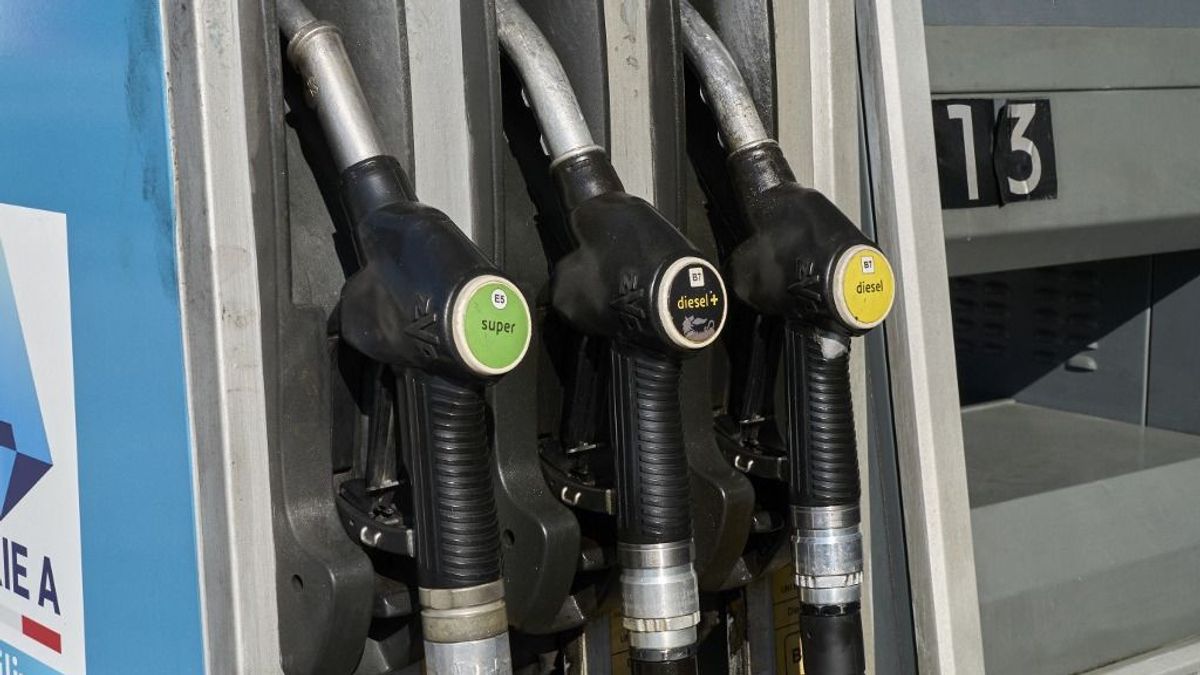
Hungary's economic landscape is set for a dynamic week, with key data releases and regional monetary policy decisions drawing significant attention. The Central Statistical Office will release April inflation figures, which are anticipated to remain subdued. Following a slight increase in March, economists predict inflation will hover around 2% in April. This stability is largely attributed to the robust performance of the Hungarian forint, government-imposed price caps on fuel, and existing caps on food prices, all contributing to a controlled inflationary environment.
In my expectation, inflation could have remained at a low level in April, reaching around two percent after a minimal increase.
Internationally, the focus sharpens on the monetary policy decisions of neighboring central banks. Both Poland and the Czech Republic are scheduled to announce their interest rate decisions this week. However, persistent inflationary risks, exacerbated by the ongoing conflict in Iran and its impact on oil prices, make rate cuts unlikely. Analysts expect Poland's key rate to remain at 3.75% and the Czech rate at 3.5%.
Neither case is expected to ease policy due to increased inflation risks from the Iranian war.
Domestically, the Hungarian National Bank (MNB) recently maintained its base rate at 6.25%. While the market had briefly priced in a potential rate hike following the escalation of the Iran conflict, the prevailing expectation now is for rates to hold steady. Macroeconomic analysts suggest that the MNB is unlikely to resume rate cuts until the fourth quarter of 2026. This cautious approach reflects a broader regional strategy to manage inflation while navigating geopolitical uncertainties. From a Hungarian perspective, maintaining economic stability and controlling inflation are paramount, especially given the country's integration within the EU and its reliance on regional trade dynamics. The current economic strategy prioritizes predictable monetary policy and leveraging national economic strengths, such as the strong forint, to buffer against external shocks.
The council's decision was in line with their expectations and market consensus.
DistantNews Editorial
Originally published by Magyar Nemzet in Hungarian. Translated, summarized, and contextualized by our editorial team with added local perspective. Read our editorial standards.
More Stories

From Our Blog

Countries Without a Free Press: What You Need to Know

What Press Freedom Means for the News You Read

What Gets Lost (and Found) When News Is Translated

The Critical Role of Diaspora Media in Global News

What Travellers Should Know About Countries with Restricted Press
