

“I measured 20°C in Greenland.” A famous researcher’s warning explains why Romania risks running out of water
Translated from Romanian, summarized and contextualized by DistantNews.
At a glance
News
Named sources
Context piece
- A researcher warns that Romania risks running out of water due to climate change and unsustainable water usage.
- Extreme temperatures, like 20°C in Greenland, are cited as indicators of global climate shifts affecting water availability.
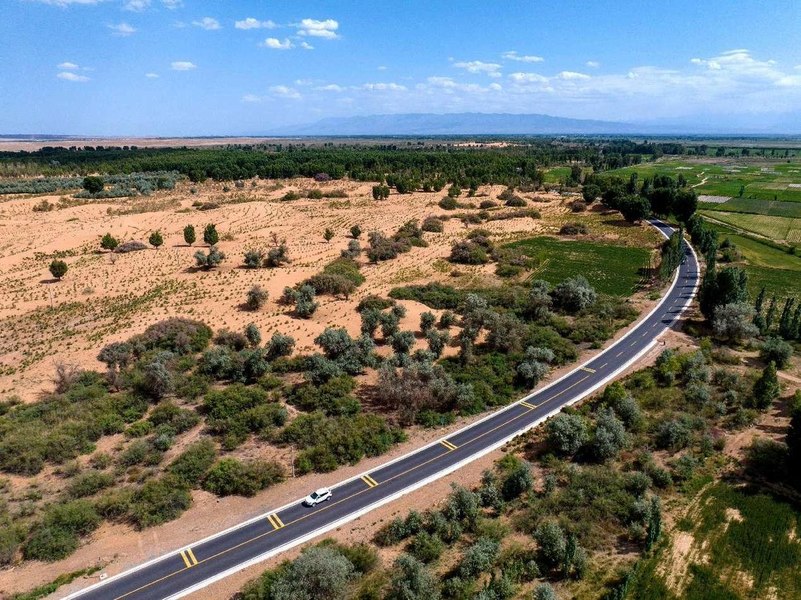
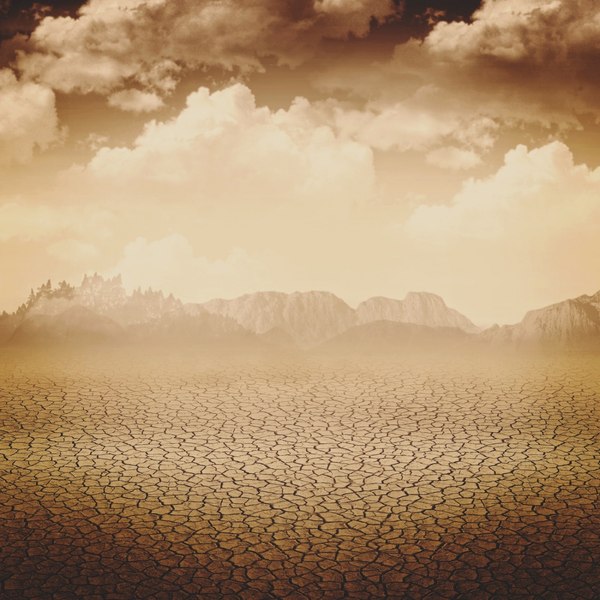
- Regions in Romania, particularly Oltenia, are experiencing desertification and depleting groundwater reserves, mirroring issues seen in the southwestern U.S.
Renowned paleoclimatologist Bogdan Onac has issued a stark warning about Romania's escalating water crisis, linking it directly to global climate change and the country's excessive water consumption. Onac, a researcher at the University of South Florida and an associate professor at Babeș-Bolyai University in Cluj-Napoca, highlighted alarming parallels between drought-stricken areas in the southwestern United States and parts of Romania, especially Oltenia.
Onac pointed to extreme weather events, such as the unusual 20°C recorded in Greenland, as evidence of profound climate shifts. He explained that regions like the southwestern U.S. and Oltenia are facing a chronic "negative balance" of water, where precipitation cannot replenish the water consumed. This imbalance has led to the accelerated depletion of large underground reservoirs, forcing deeper drilling for water sources that are increasingly scarce.
"We have entered a permanent negative balance," Onac stated in an analysis for "Adevărul." "The direct consequence is that large underground reservoirs have begun to deplete at an accelerated rate. People have continued to drill deeper, hoping to find new sources of drinking water, but the reality on the ground is relentless. In many places, there is simply no more water to extract. This is a structural depletion, a harsh lesson about what happens when you treat an exhaustible resource like a bottomless pit."
Eurostat data reveals that Romania uses over a third (33.9%) of its water resources, a figure significantly above the warning threshold of 20% and starkly contrasting with the European Union average of 5.8%. This high rate of usage, coupled with climate change impacts, places Romania among the most vulnerable European countries to water scarcity, with areas like Oltenia showing signs of desertification and the Black Sea coast also affected.
We have entered a permanent negative balance. The direct consequence is that large underground reservoirs have begun to deplete at an accelerated rate. People have continued to drill deeper, hoping to find new sources of drinking water, but the reality on the ground is relentless. In many places, there is simply no more water to extract. This is a structural depletion, a harsh lesson about what happens when you treat an exhaustible resource like a bottomless pit.
DistantNews Editorial
Originally published by Adevărul in Romanian. Translated, summarized, and contextualized by our editorial team with added local perspective. Read our editorial standards.
More Stories
From Our Blog

What Gets Lost (and Found) When News Is Translated

The Critical Role of Diaspora Media in Global News

What Travellers Should Know About Countries with Restricted Press

A Digital Nomad's Guide to Following Local News

How the Same Story Looks Different in Different Countries
