


I’ve asked power in Pakistan one question for ten years on my podcast. This is the answer
Summarized and contextualized by DistantNews.
TLDR
- For a decade, the author has asked Pakistani leaders and elites "how do we fix Pakistan?" but received no substantive answers or plans for change.
- Pakistan's capacity for collective action is strong during external threats, like military confrontations with India, but dissipates otherwise.
- Politicians offer precise solutions when out of power but fail to implement them when in office, with media rarely holding them accountable.
For ten years, I have posed a single, pressing question to Pakistan's corridors of power – from Prime Ministers and Generals to corporate leaders: "How do we fix Pakistan?" The answers, consistently, are variations of "we know the problems, we often know the solutions." Yet, a decade on, tangible change remains elusive. This pattern reveals a fundamental truth about our national character: our collective will and unity surge only in the face of an external enemy, a phenomenon starkly visible during past military confrontations with India or even heated cricket matches.
What remains unanswered is whether Pakistan can sustain this collective purpose without an external threat. Unlike nations like Malaysia, Singapore, or China, which have achieved multi-decade transformations by treating development as an existential, long-term project insulated from short-term political cycles, Pakistan has yet to make such a credible bet on its future. Our leadership seems trapped in a cycle of electoral promises and immediate political gains, rather than building institutions designed for enduring national progress.
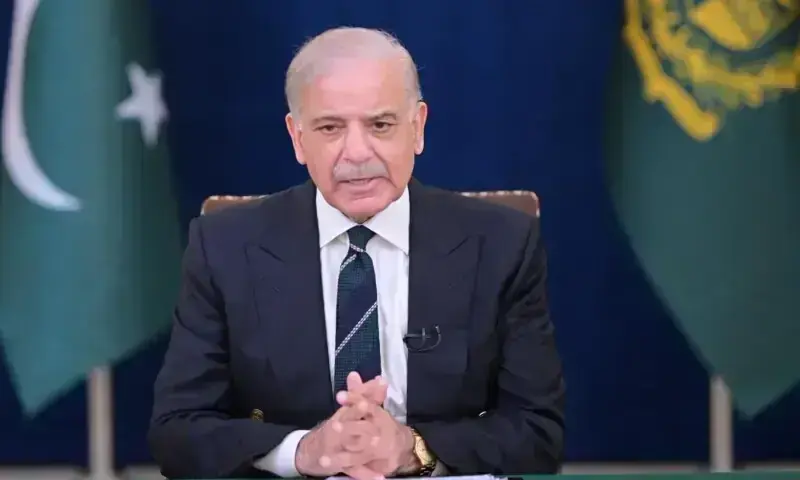
The recent general elections underscored this issue. Despite interviewing numerous senior politicians, including Bilawal Bhutto-Zardari and Prime Minister Shehbaz Sharif, I found their responses to specific plans for change to be vague and lacking substance. Manifestos were mere props, forgotten once the campaign ended. Slogans replaced concrete strategies, and accountability for unfulfilled promises is rare. This disconnect between the articulate solutions offered by politicians when in opposition and their inaction when in power is a recurring, frustrating theme.
From a Pakistani perspective, this disconnect is particularly galling. We witness politicians debating passionately on television, offering seemingly insightful critiques and solutions, only to retreat into silence or inaction once they attain power. The media, too, often fails to hold them accountable, allowing this cycle of rhetoric without results to persist. The challenge for Pakistan is not a lack of awareness about its problems or potential solutions, but a profound deficit in sustained, collective action and leadership committed to a long-term vision beyond the next election or crisis.
DistantNews Editorial
Originally published by Dawn. Summarized and contextualized by our editorial team with added local perspective. Read our editorial standards.
More Stories
From Our Blog

What Gets Lost (and Found) When News Is Translated

The Critical Role of Diaspora Media in Global News

What Travellers Should Know About Countries with Restricted Press

A Digital Nomad's Guide to Following Local News

How the Same Story Looks Different in Different Countries
