


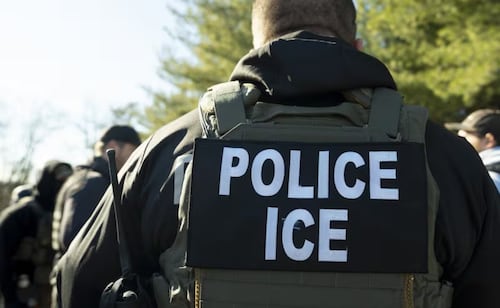
ICE agents to get body cameras; videos to be released only if serving agency's 'interests'
Translated from Spanish, summarized and contextualized by DistantNews.
At a glance
News
Sources not specified
New plan
- U.S. Immigration and Customs Enforcement (ICE) agents will be equipped with body cameras by the end of September.
- The agency's policy grants it broad control over releasing footage, stating disclosure must serve the agency's "best interest."
- Critics and experts note this policy allows for selective release of videos, potentially shaping public perception.
U.S. Immigration and Customs Enforcement (ICE) agents nationwide will be equipped with body cameras within the next two months, by the end of September. This deployment follows recent fatal shootings involving agents enforcing President Donald Trump's immigration policies, which have intensified pressure for accountability, something body cameras could facilitate.
However, the agency's body camera policy grants it significant discretion over which recordings become public. The policy specifies that any disclosure must serve the agency's "best interest." This means taxpayers, who are funding the devices with tens of millions of dollars, might remain unaware of certain high-profile incidents, at least initially.
The policy states that ICE will release videos of shootings and other encounters where agents cause death or serious injury only after determining that doing so "serves the agency's best interests." This empowers the director with the discretion to publish recordings that favor the agency's image while keeping others hidden, according to experts in body camera policies.
Christopher Schneider, a professor at Brandon University in Canada, noted that such selective disclosures are common in some police agencies but are not usually stated so explicitly in guidelines. "In a way, ICE is loudly saying what is normally said privately," he commented. "Body cameras are being used as contemporary image-building tools to present law enforcement in the most favorable light possible to the public."
The policy requires agents to activate cameras during routine law enforcement activities, including arrests, execution of search warrants, and responding to emergencies. Following shootings or other serious incidents, a committee including senior ICE officials and attorneys will review recordings and recommend whether they should be disclosed promptly. If the decision is affirmative, the recording could be made public within 72 hours. However, if the ICE director determines that "specific and compelling circumstances" justify withholding the footage, it may be kept from public view.
En cierto modo, el ICE está diciendo en voz alta lo que normally se dice en privado
DistantNews Editorial
Originally published by El Universal in Spanish. Translated, summarized, and contextualized by our editorial team with added local perspective. Read our editorial standards.
More Stories


From Our Blog

What Press Freedom Means for the News You Read

What Gets Lost (and Found) When News Is Translated

The Critical Role of Diaspora Media in Global News

What Travellers Should Know About Countries with Restricted Press

A Digital Nomad's Guide to Following Local News
