


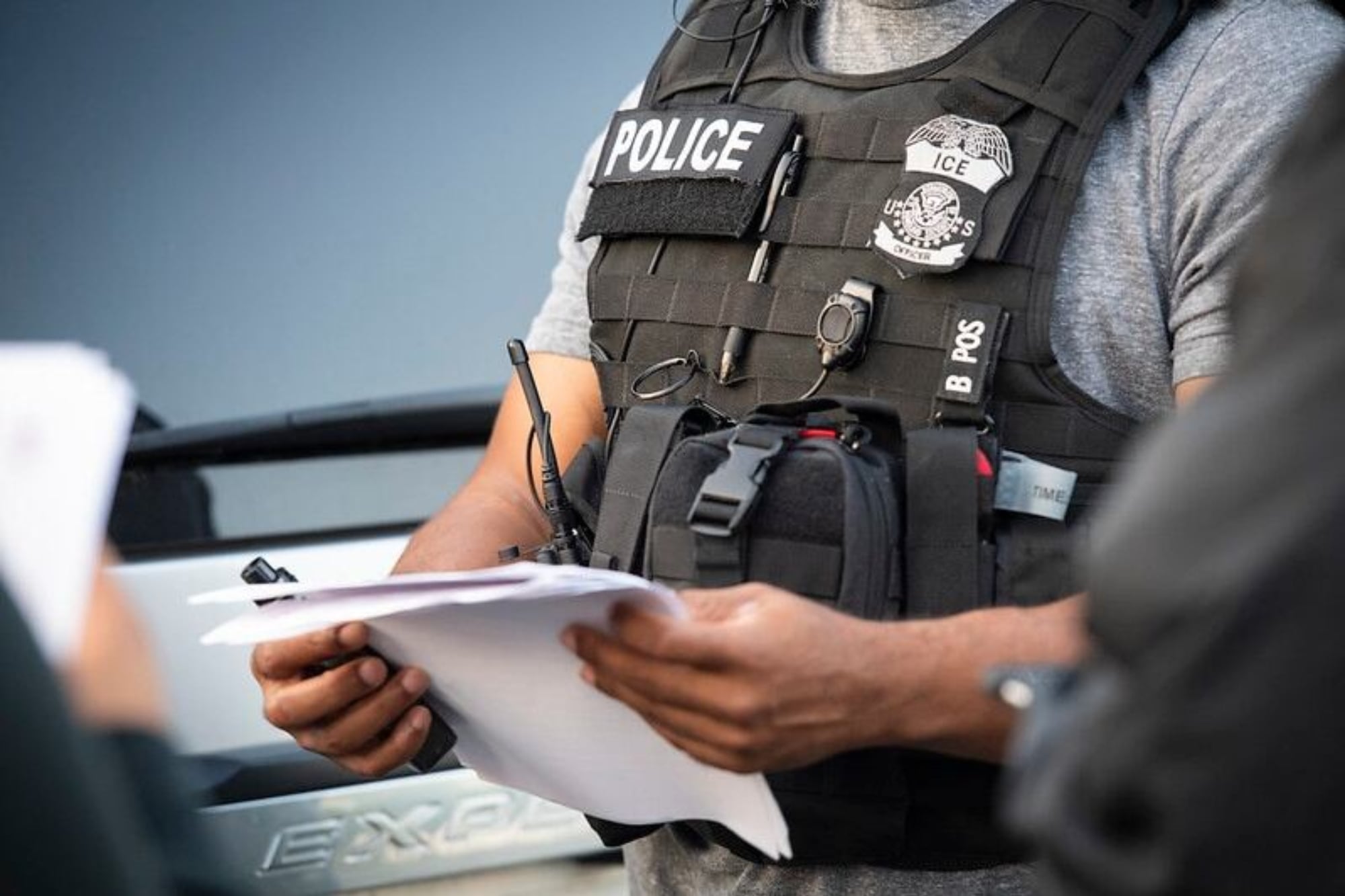
ICE Detentions: What Documents DACA Beneficiaries Need to Carry to Avoid Arrest, According to an Immigration Lawyer
Translated from Spanish, summarized and contextualized by DistantNews.
TLDR
- Immigrants in the United States with DACA status face uncertainty regarding detention, with an immigration lawyer clarifying their protections and necessary precautions.
- DACA beneficiaries are advised to maintain their status, ensure timely renewals, and avoid criminal offenses like DUIs, which can jeopardize their benefits.
- To prevent detention by ICE, DACA recipients should carry updated work permits and DACA approval notices, and exercise caution or avoid sensitive locations such as military bases and federal facilities.
The ongoing uncertainty surrounding immigration policy in the United States continues to cast a shadow of doubt over the lives of thousands of DACA beneficiaries. Amidst heightened enforcement operations, a crucial clarification has emerged from immigration law expert Alma Rosa Nieto, detailing the specific documentation and precautions necessary for 'Dreamers' to avoid potential detention by Immigration and Customs Enforcement (ICE).
The key is to keep the status in order and comply with all the program's requirements.
Nieto emphasized that while DACA provides a degree of protection against deportation, it is neither absolute nor automatic. The key lies in maintaining a current status and adhering strictly to the program's requirements. This includes ensuring that DACA renewals are processed promptly and, critically, avoiding any criminal record, particularly offenses such as driving under the influence (DUI), which can have severe consequences for their immigration status.
Dreamers should carry documentation that supports their current status.
For DACA recipients, preparedness is paramount. Nieto strongly advises carrying essential documents, including a valid work permit and the most recent DACA approval notice, as tangible proof of their active deferred action and work authorization. Furthermore, she highlighted specific locations where DACA beneficiaries should exercise extreme caution or avoid altogether, such as military bases and federal facilities, due to potentially stricter controls and specialized jurisdictions. Navigating these complex regulations requires diligence and awareness to mitigate risks and ensure continued protection.
These sites often have stricter controls and special jurisdictions, which could lead to unfavorable situations even for those with deferred action.
DistantNews Editorial
Originally published by La Nación in Spanish. Translated, summarized, and contextualized by our editorial team with added local perspective. Read our editorial standards.
More Stories


From Our Blog

What Gets Lost (and Found) When News Is Translated

The Critical Role of Diaspora Media in Global News

What Travellers Should Know About Countries with Restricted Press

A Digital Nomad's Guide to Following Local News

How the Same Story Looks Different in Different Countries
