

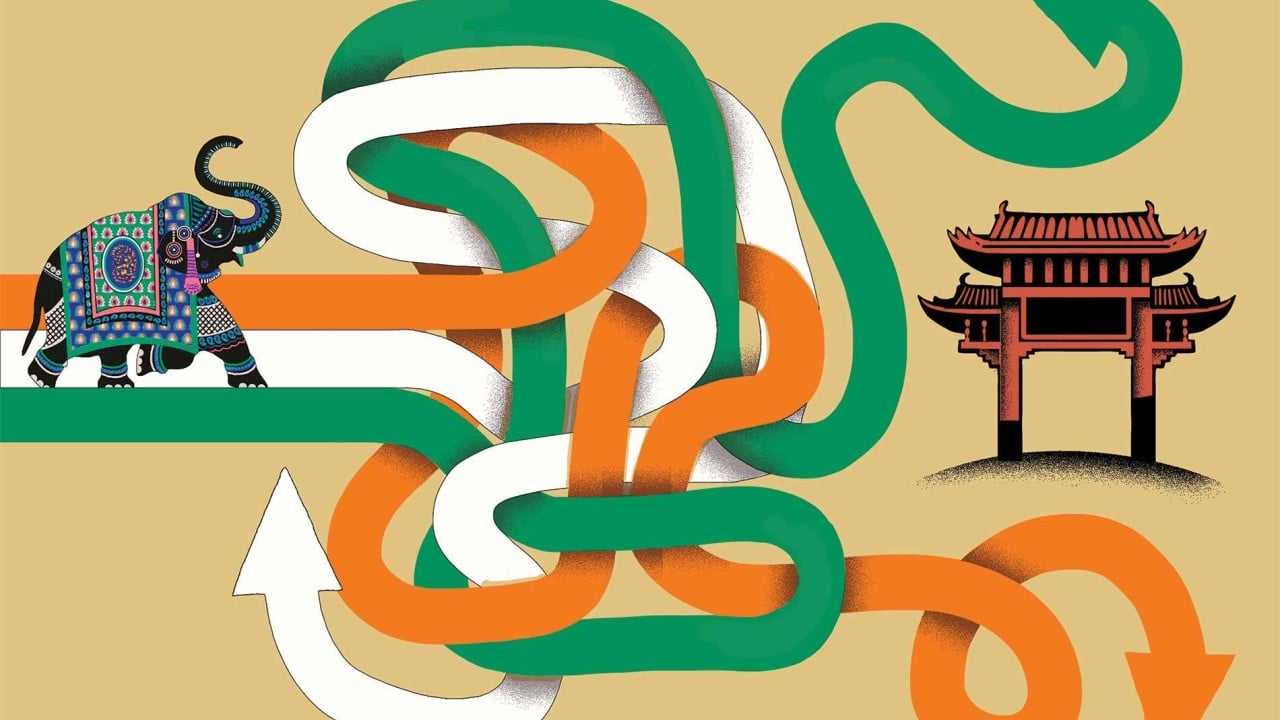
If a ‘great rebalancing’ is coming, will China really have to pay for it?
Summarized by DistantNews. Read the original for the full story.
At a glance
Opinion
Named sources
Context piece
- Economist Michael Pettis argues that a global trade rebalancing is approaching and that China could bear much of the cost.
- The commentary challenges Pettis’s emphasis on power, arguing that he does not apply the same scrutiny to the United States.
- It cites China’s projected 2025 current-account surplus of 3.3% of GDP, weak December retail sales and household consumption equivalent to about 40% of GDP.
Michael Pettis has spent more than a decade warning that global trade imbalances will eventually have to unwind. His latest Foreign Affairs article again asks who will bear the cost of that adjustment, and argues that China may be most exposed.
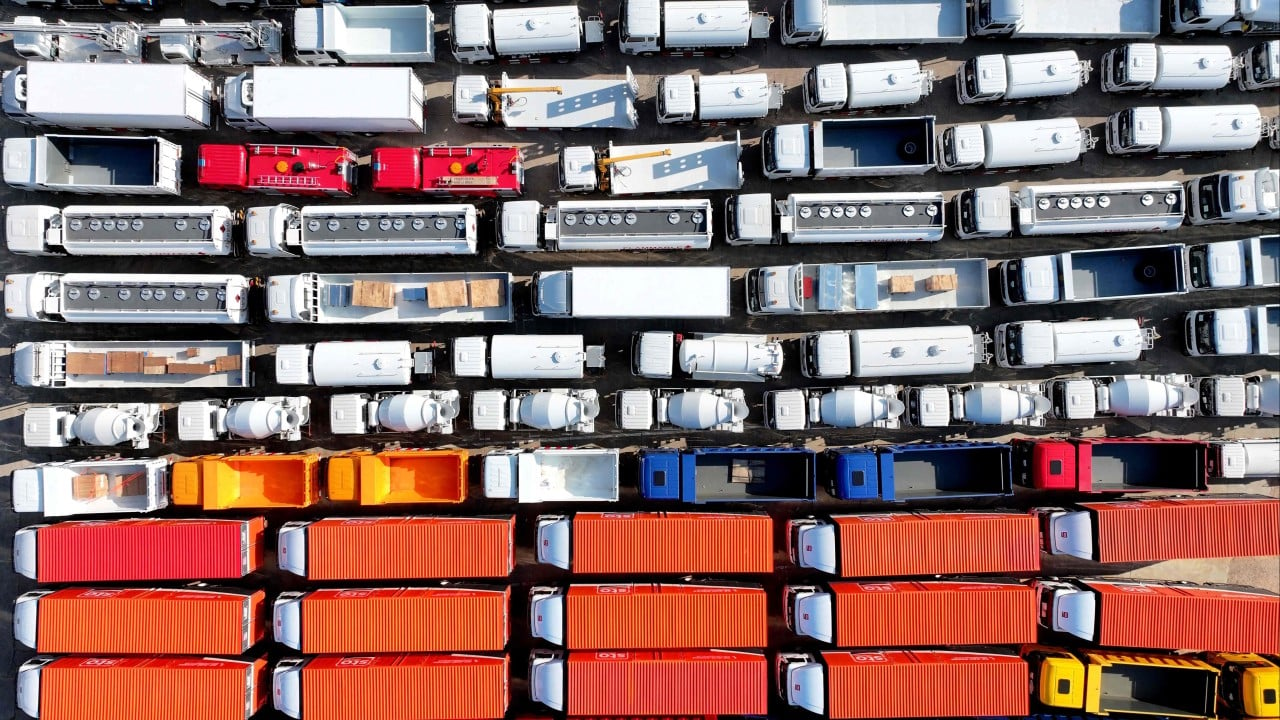
The commentary accepts Pettis’s central view that today’s imbalances cannot last indefinitely. China, Germany and other economies sell much more than they buy, while the United States runs a large external deficit. Pettis links persistent deficits in rich economies to either rising unemployment, growing debt, or both.
His argument draws on earlier episodes involving oil revenues in Latin America, East Asia’s 1997 crisis and southern Europe after 2008. In each case, the imbalance eventually ended, and the adjustment brought pain. The commentary says China could face a similar turn.
Pettis also argues that power determines who pays during a crisis. Countries with weak borrowing capacity, vulnerable currencies or limited ability to control capital flows tend to bear the burden. He considers the United States better placed to avoid an approaching crisis than China.
The commentary questions why Pettis applies that power-based argument more forcefully to Beijing than to Washington. It points to an IMF estimate that China’s current-account surplus will equal 3.3% of GDP in 2025. December retail sales grew by just 0.9%, the weakest pace since late 2022, while household consumption accounts for about 40% of GDP.
About this summary
Originally published by South China Morning Post. Summarized and contextualized automatically by DistantNews, with a note on how the source frames the story. Not individually reviewed before publishing. How this works.
More Stories

From Our Blog

Countries Without a Free Press: What You Need to Know

What Press Freedom Means for the News You Read

What Gets Lost (and Found) When News Is Translated

The Critical Role of Diaspora Media in Global News

What Travellers Should Know About Countries with Restricted Press
