


Taiwan's debt tactics offer a stark warning to its allies
Translated from English and summarized by DistantNews. Read the original for the full story.
At a glance
News
Sources not specified
Context piece
- Taiwan is accused of weaponizing debt against its allies, a narrative often overshadowed by concerns about China's lending practices.
- Grenada faced severe economic hardship after Hurricane Ivan in 2004, leading it to switch diplomatic recognition from Taiwan to China in 2005.
- In response, Taiwan sued Grenada to recover its debts, engaging in a decade-long legal battle to seize the country's revenue streams.
The international discourse on "debt traps" predominantly focuses on Beijing's lending practices. However, the experiences of Grenada and St. Vincent and the Grenadines offer a counter-narrative, highlighting Taiwan's own aggressive debt collection tactics.
the weaponisation of debt by Taiwan
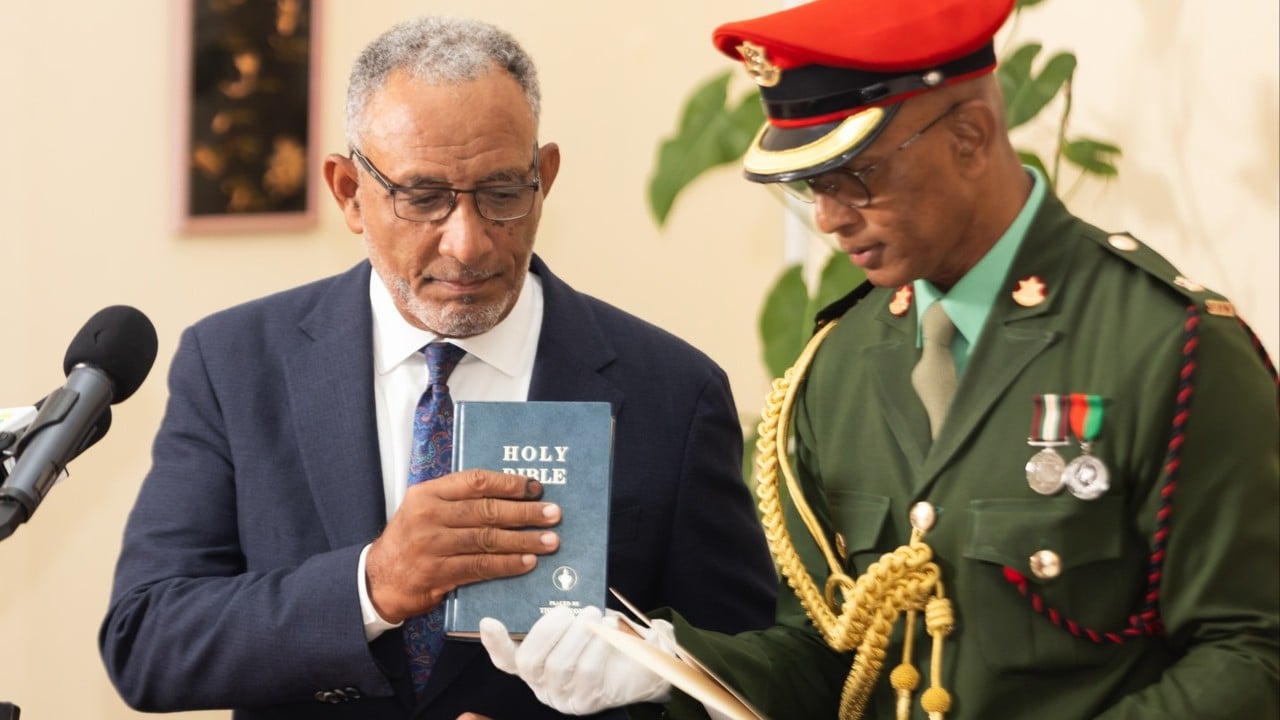
Following the devastation of Hurricane Ivan in 2004, Grenada, a nation of just over 100,000 people, made the difficult decision to switch diplomatic recognition from Taiwan to the People's Republic of China in 2005. The island nation's economy was further battered by another hurricane in 2005, exacerbating its need for immediate financial assistance and infrastructure rebuilding, which only Beijing was willing to provide.
Taipei viewed the move as an act of betrayal.
Taiwan, which at the time was recognized by only 12 states, viewed Grenada's move as a betrayal. Instead of collaborating with other creditors to restructure the debt, Taipei launched a lawsuit in a New York court to reclaim the full outstanding amount. This initiated a contentious, decade-long legal dispute where Taiwan aggressively pursued Grenada's revenue streams from cruise lines, shipping companies, and international arbitration awards, effectively wielding the loan contract's sovereign immunity waiver as a weapon.
Taiwan wielded the loan contract’s sovereign immunity waiver like a bludgeon, attempting to seize Grenada’s revenue streams from cruise lines, shipping companies and international arbitration awards.
About this summary
Originally published by South China Morning Post in English. Translated, summarized, and contextualized automatically by DistantNews, with a note on how the source frames the story. Not individually reviewed before publishing. How this works.
More Stories
From Our Blog

Countries Without a Free Press: What You Need to Know

What Press Freedom Means for the News You Read

What Gets Lost (and Found) When News Is Translated

The Critical Role of Diaspora Media in Global News

What Travellers Should Know About Countries with Restricted Press
