

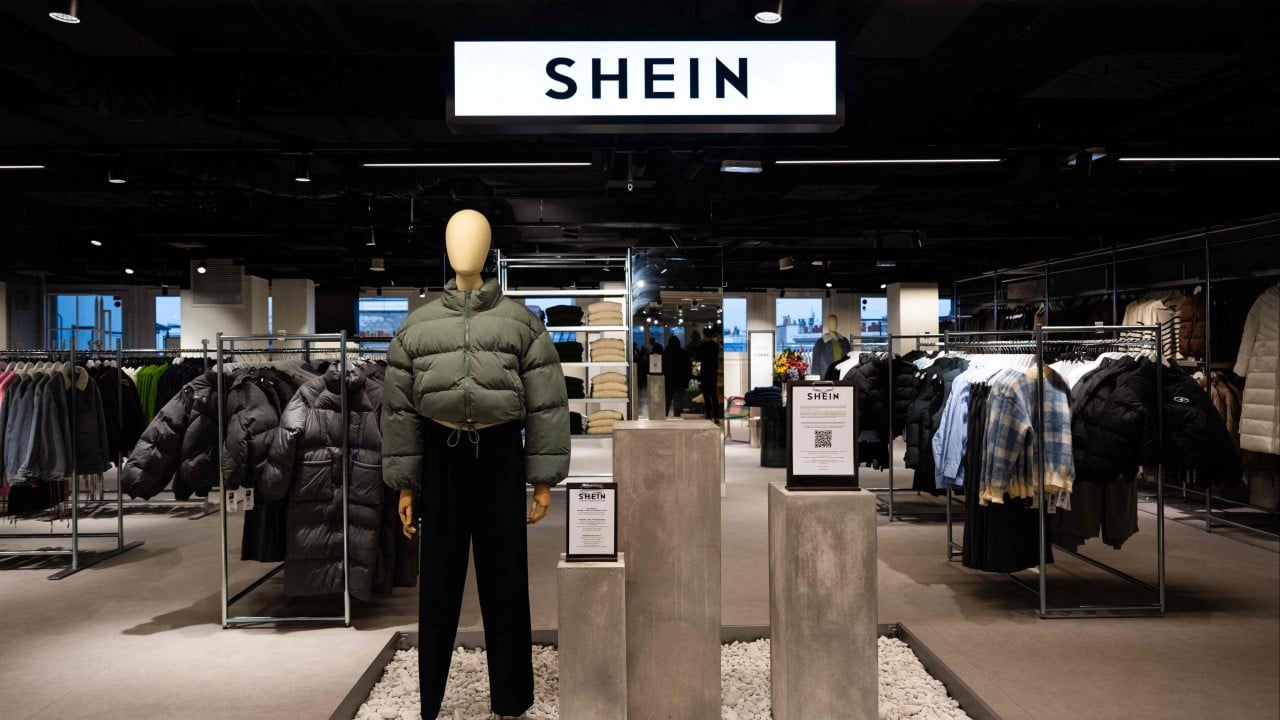
France targets ultra-fast fashion with new levy on Asian e-commerce platforms
Translated from English and summarized by DistantNews. Read the original for the full story.
At a glance
News
Official statement
Approved/passed
- France will begin imposing a levy on ultra-fast-fashion items under legislation passed by parliament in June.
- The measure targets major Asian e-commerce platforms, including Shein, Temu and AliExpress, which sell large volumes of inexpensive clothing.
- Initial 2026 fees range from 50 cents for qualifying underwear to €12 for a jacket, with the eventual maximum expected to approach €20 per garment.
France is moving to put a price on ultra-fast fashion, with a levy that could eventually approach €20 per garment sold by major Asian e-commerce platforms.
The fee begins Tuesday under legislation passed by the French parliament in June. The measure focuses on companies known for selling large quantities of lower-quality clothing at very low prices, including Shein, Temu and AliExpress.
The government will determine whether a product qualifies using two criteria: the volume of clothing a company places on the market and the cost of repairing the garment compared with its purchase price. Each item will receive a fee based on how it performs against those standards.
For 2026, the planned charges include 50 cents for underwear classified as ultra-fast fashion, €2 for a T-shirt, €9 for jeans and €12 for a jacket. Ecological Transition Minister Mathieu Lefevre defended the policy as a response to what he described as documented damage to the environment and economy.
The harmful effects of ultra-fast fashion on our environment and our economy are well known and documented.
About this summary
Originally published by South China Morning Post in English. Translated, summarized, and contextualized automatically by DistantNews, with a note on how the source frames the story. Not individually reviewed before publishing. How this works.
More Stories

From Our Blog

Countries Without a Free Press: What You Need to Know

What Press Freedom Means for the News You Read

What Gets Lost (and Found) When News Is Translated

The Critical Role of Diaspora Media in Global News

What Travellers Should Know About Countries with Restricted Press
