

Illegal construction thrives in Poland's tourist spots as authorities fail to act
Translated from Polish, summarized and contextualized by DistantNews.
At a glance
News
From a news agency
Context piece
- Poland's Supreme Audit Office (NIK) found that local governments in the Pomeranian Voivodeship are failing to effectively combat illegal construction, particularly in tourist hotspots.
- NIK reported that officials did not act properly or effectively to identify and prevent illegal constructions between January 2020 and August 2025.
- Municipalities argue that combating illegal construction is the responsibility of state-level building supervision, which they claim lacks resources, while NIK points to inaction even when tax records indicate illegal structures.
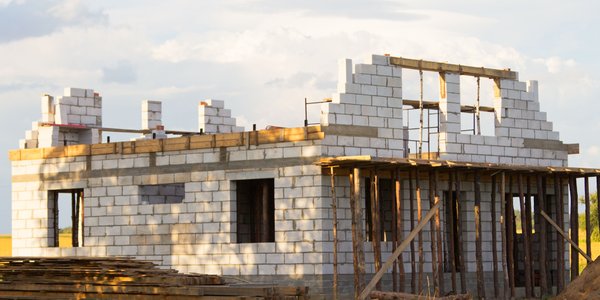
Poland's Supreme Audit Office (NIK) has sharply criticized local governments in the Pomeranian Voivodeship for their ineffectiveness in tackling illegal construction, a problem NIK suggests is widespread in attractive tourist regions across Poland, including mountains and Masuria.
According to NIK's findings, officials in the audited areas failed to act properly or effectively in identifying and preventing illegal construction projects between January 2020 and August 2025. The report highlights that these omissions not only disrupted urban planning but also posed risks to nature and the environment. NIK noted that even when tax revenues indicated the existence of illegal structures, authorities often took no action.
The problem is often the lack of a company car, which inspectors could use to go on inspections. And what is the legislator doing in this situation? Introducing simplified legalization of illegal construction.
Local government officials, however, pushed back against NIK's conclusions. They argue that the responsibility for combating illegal construction lies with the state-run building supervision authorities, not with municipal or district governments. They claim that the building supervision lacks sufficient staff and funding to operate effectively, leading to an increase in unauthorized constructions. Municipalities also expressed frustration with legislative changes that they believe simplify the legalization of illegal structures rather than addressing the root problem.
Adam Śliwicki, the mayor of Krokowa municipality, stated that lawmakers continue to introduce simplified legalization procedures, such as those outlined in Article 49f of the Building Law, instead of empowering the building supervision to perform its core duties. This simplified legalization process allows for the regularization of constructions that are at least 20 years old and for which no demolition order has been issued, further complicating efforts to enforce building regulations.
We, meaning the municipalities of the Pomeranian Voivodeship, but also those located in the mountains and Masuria, have been explaining to politicians of all stripes since the beginning of these regulations that this procedure, contained among others in art. 49f of the building law, must be removed.
DistantNews Editorial
Originally published by Rzeczpospolita in Polish. Translated, summarized, and contextualized by our editorial team with added local perspective. Read our editorial standards.
More Stories


From Our Blog

What Gets Lost (and Found) When News Is Translated

The Critical Role of Diaspora Media in Global News

What Travellers Should Know About Countries with Restricted Press

A Digital Nomad's Guide to Following Local News

How the Same Story Looks Different in Different Countries
