

Illegal mine shaft discovered on Peru's key water source mountain
Translated from Spanish, summarized and contextualized by DistantNews.
At a glance
News
Named sources
Under investigation
- Regional authorities in Cajamarca, Peru, discovered an illegal mine shaft and other unauthorized drilling sites on Cerro Quilish, a critical water source for the city.
- The discovery followed public complaints about suspicious activity, leading to an inspection that found a 40-meter-deep shaft, tools, and extracted material.
- Investigations are underway to identify those responsible for the illegal mining, which threatens the region's water supply.
Illegal mining activities have resurfaced as a major concern in Cajamarca, Peru, with regional authorities uncovering clandestine operations on Cerro Quilish. This mountain is vital as the city's primary aquifer and a crucial source for its drinking water.
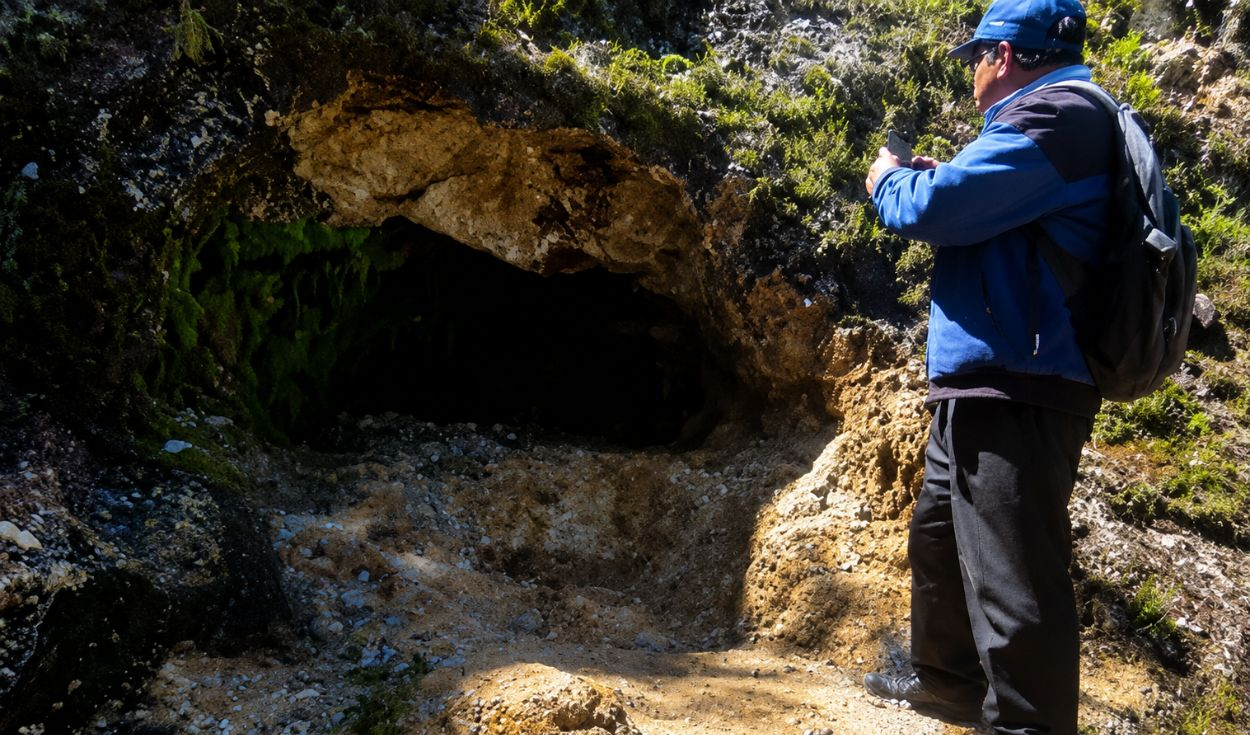
During an inspection by the Regional Directorate of Energy and Mines (DREM), specialists found a roughly 40-meter-deep mine shaft and two other locations showing signs of illegal drilling. These findings came after local residents reported suspicious movements in the area via social media.
The director of DREM, Víctor Cusquisiban Fernández, confirmed that the operation verified unauthorized mining work within a zone critical for water resource conservation. He noted that the main shaft, along with other prospecting sites, indicated illegal activity. "Cerro Quilish is an emblematic place and the main aquifer of Cajamarca. The water sources that supply the surrounding communities and the city originate there," Cusquisiban stated.
Initial investigations suggest the perpetrators began their work about three months ago. A subsequent inspection, involving police and community members, uncovered a makeshift camp, tools, and extracted materials. Although no workers were present, authorities believe there is sufficient evidence of illegal mining. Cusquisiban emphasized that the individuals involved lack the necessary permits and have not initiated legal procedures for extractive activities. The DREM has forwarded its findings to relevant agencies for administrative and legal action. The regional government is also seeking information on land ownership to establish responsibility and initiate sanctions against those involved in the illegal operations.
DistantNews Editorial
Originally published by La República in Spanish. Translated, summarized, and contextualized by our editorial team with added local perspective. Read our editorial standards.
More Stories
From Our Blog

What Gets Lost (and Found) When News Is Translated

The Critical Role of Diaspora Media in Global News

What Travellers Should Know About Countries with Restricted Press

A Digital Nomad's Guide to Following Local News

How the Same Story Looks Different in Different Countries
