

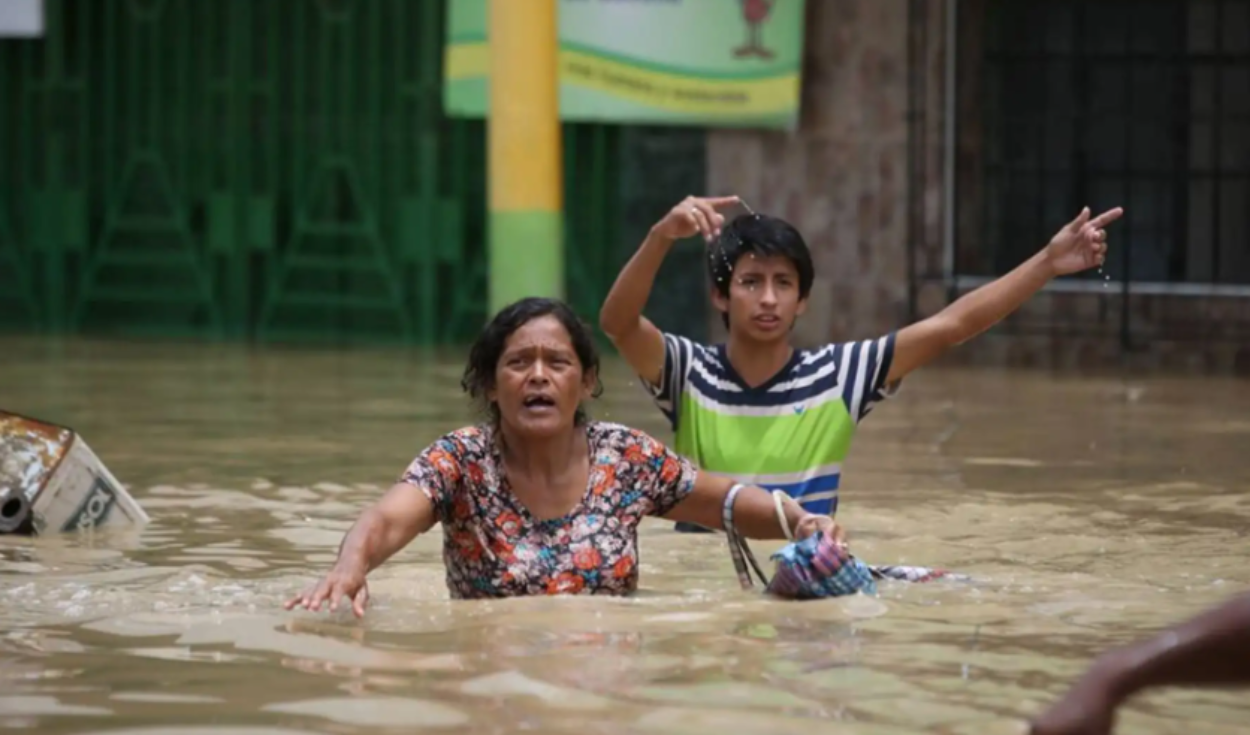
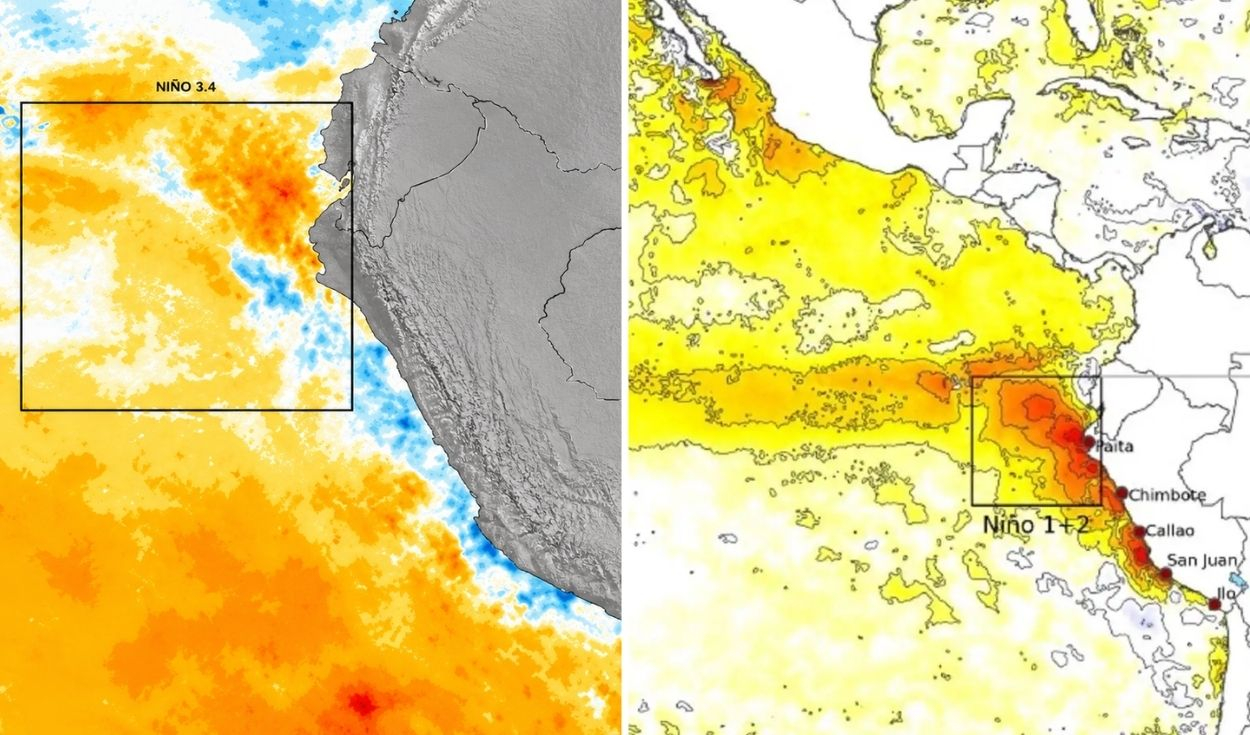
Peru's Senamhi warns of warmer temperatures, calls for El Niño preparedness
Translated from Spanish, summarized and contextualized by DistantNews.
At a glance
News
Sources not specified
Context piece
- Peru's National Meteorology and Hydrology Service (Senamhi) warns of warmer-than-normal coastal temperatures from June to October.
- These conditions could intensify the effects of the El Niño phenomenon, according to a new report.
- Senamhi urges authorities and the public to prepare for potential climate impacts and follow official forecasts.
Peru's National Meteorology and Hydrology Service (Senamhi) has released a report detailing projections for warmer coastal temperatures between June and October, potentially intensifying the effects of El Niño. The report, titled 'El Niño and its effects on temperatures and precipitation in Peru: analysis and recommendations,' compiles scientific evidence on the climate phenomenon's behavior and its possible impacts across the country.
Senamhi's analysis indicates that air temperatures along much of the Peruvian coast are expected to be above average during this period. While winter precipitation is projected to remain near normal, early spring might see below-average rainfall in some parts of the eastern Amazon, potentially affecting water resources. The agency is calling for strengthened prevention and risk management measures.
The report references historical El Niño events, including those in 1982-1983, 1997-1998, 2015-2016, the 2017 Coastal El Niño, and the 2023-2024 event. It notes that impacts vary based on the phenomenon's intensity and oceanic warming location. The Multisectoral Commission for the National Study of the El Niño Phenomenon maintains an alert for Coastal El Niño, anticipating continued warm Pacific conditions.
Senamhi urges authorities, productive sectors, and citizens to remain vigilant regarding official forecasts and communications to anticipate and mitigate potential climate-related disruptions. The goal is to bolster preparedness and response actions against possible heavy rains, elevated temperatures, and water scarcity.
DistantNews Editorial
Originally published by La República in Spanish. Translated, summarized, and contextualized by our editorial team with added local perspective. Read our editorial standards.
More Stories

From Our Blog

What Gets Lost (and Found) When News Is Translated

The Critical Role of Diaspora Media in Global News

What Travellers Should Know About Countries with Restricted Press

A Digital Nomad's Guide to Following Local News

How the Same Story Looks Different in Different Countries
