

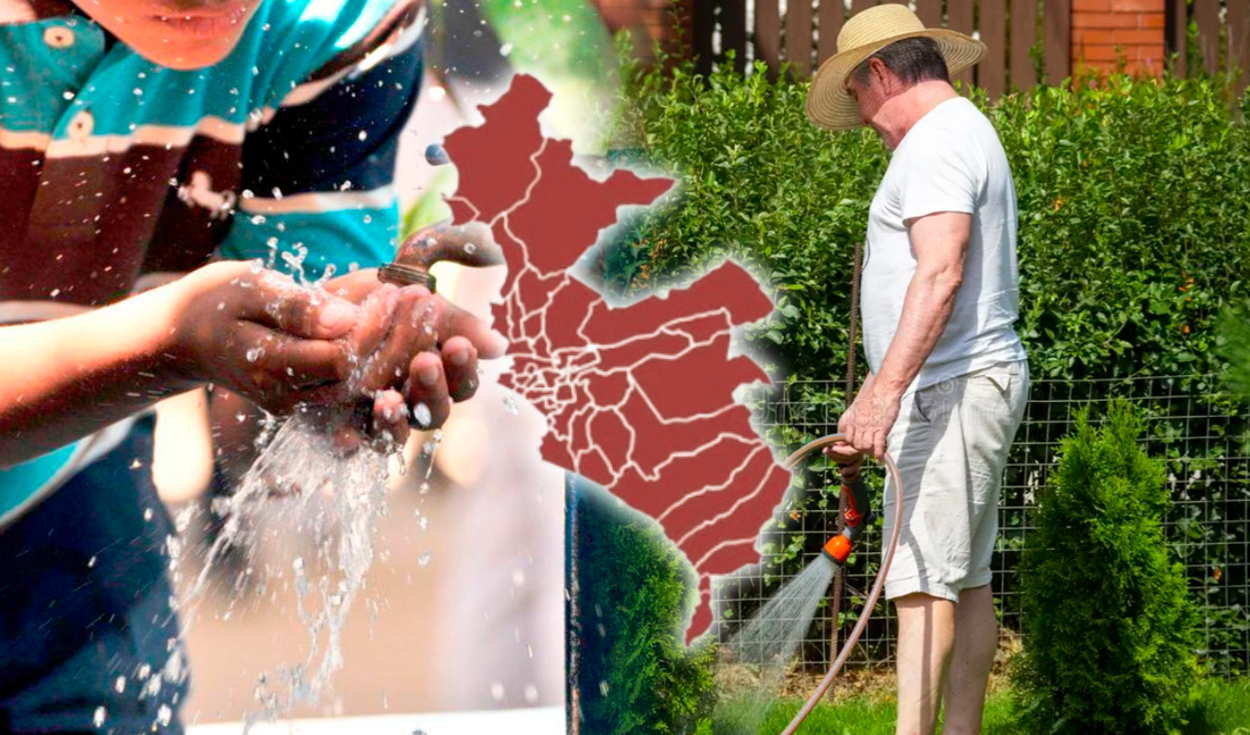
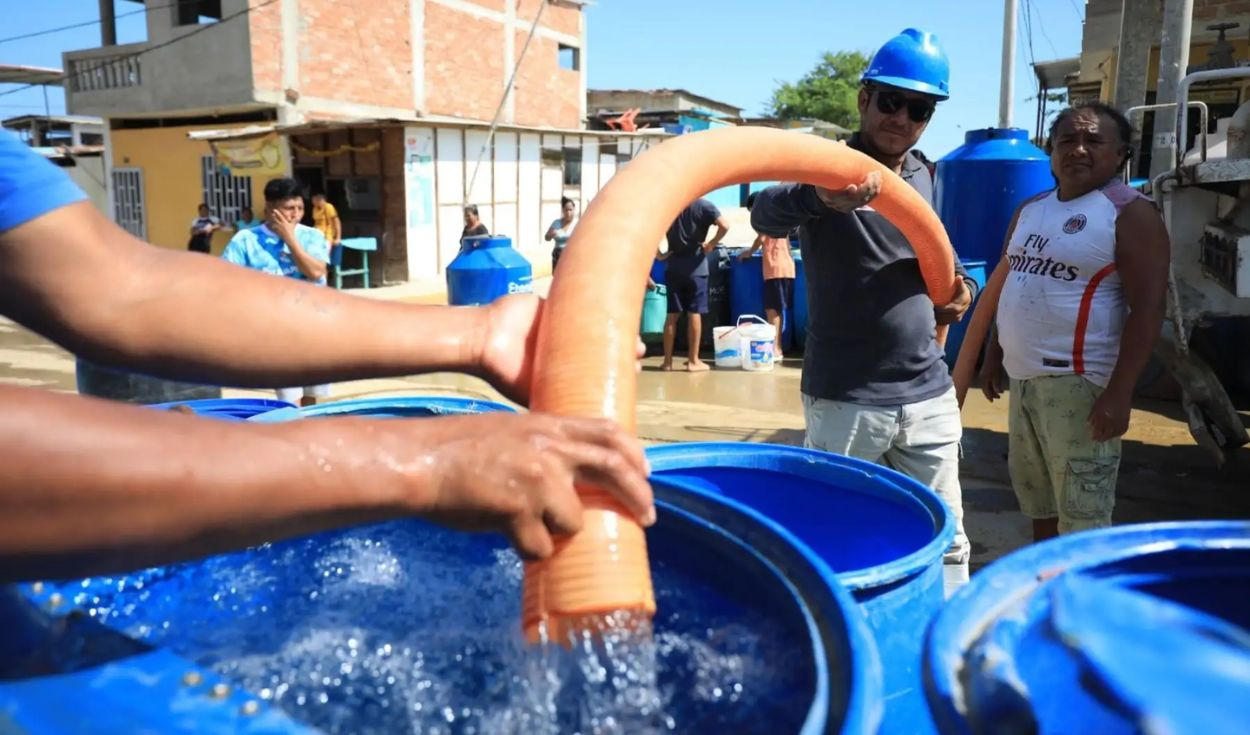
Peru Approves 2050 Water and Sanitation Plan Amidst Quality Concerns
Translated from Spanish, summarized and contextualized by DistantNews.
At a glance
News
Official statement
New plan
- Peru's Ministry of Housing, Construction, and Sanitation has approved a National Multisectoral Policy for Drinking Water and Sanitation until 2050.
- The policy acknowledges that 21.6 million Peruvians consume water of insufficient quality, with rural areas disproportionately affected.
- The plan aims to expand access to safe water and sanitation services for the country's over 34 million inhabitants by 2050.
Peru's government has officially approved a national policy aimed at improving drinking water and sanitation services, acknowledging that a significant portion of the population consumes water of inadequate quality. The new National Multisectoral Policy for Drinking Water and Sanitation until 2050 (PNMAPS 2050) highlights the critical issue of insufficient access to safe water, affecting over 21.6 million Peruvians.
The policy's diagnostic report reveals a stark reality: only 37.6% of Peruvians have access to safely managed drinking water services, equating to about 12.4 million people. The remaining 62.5% face this deficit. The situation is even more dire for sanitation, with only 33.6% of the population having access to safely managed services, leaving 66.4% without.
This lack of access has profound implications, directly impacting public health, child development, economic productivity, and ecosystem conservation. The policy identifies a significant urban-rural divide, with rural areas bearing the brunt of the problem. Data from the 2024 National Survey of Budgetary Programs (Enapres) indicates that a mere 4% of the rural population has access to safely managed drinking water, compared to 45.7% in urban areas.
Sanitation access also shows a wide gap, with 42.7% of urban dwellers having safe services versus only 10.3% in rural areas. The policy attributes these disparities to factors such as dispersed housing, geographical challenges, and the difficulty of extending infrastructure to remote locations, particularly in scattered rural communities. The PNMAPS 2050 sets ambitious goals to close these gaps by 2050, focusing on improving both the coverage and quality of water and sanitation services across the nation.
DistantNews Editorial
Originally published by La República in Spanish. Translated, summarized, and contextualized by our editorial team with added local perspective. Read our editorial standards.
More Stories
From Our Blog

What Gets Lost (and Found) When News Is Translated

The Critical Role of Diaspora Media in Global News

What Travellers Should Know About Countries with Restricted Press

A Digital Nomad's Guide to Following Local News

How the Same Story Looks Different in Different Countries
