


Illegal mining threatens Nazca Lines: Over 130 processing plants reported expanding nearby | La República (PE)
Translated from Spanish, summarized and contextualized by DistantNews.
At a glance
News
Named sources
Context piece
- Illegal mining operations are expanding near Peru's Nazca Lines, a UNESCO World Heritage site, threatening the ancient geoglyphs.
- Over 130 illegal processing plants are reportedly operating near populated areas, rivers, and archaeological sites, with the regional government accused of enabling their growth.
- In addition to mining, waste dumping and urban sprawl are further endangering the Nazca Lines and associated archaeological complexes, prompting calls for increased state protection.
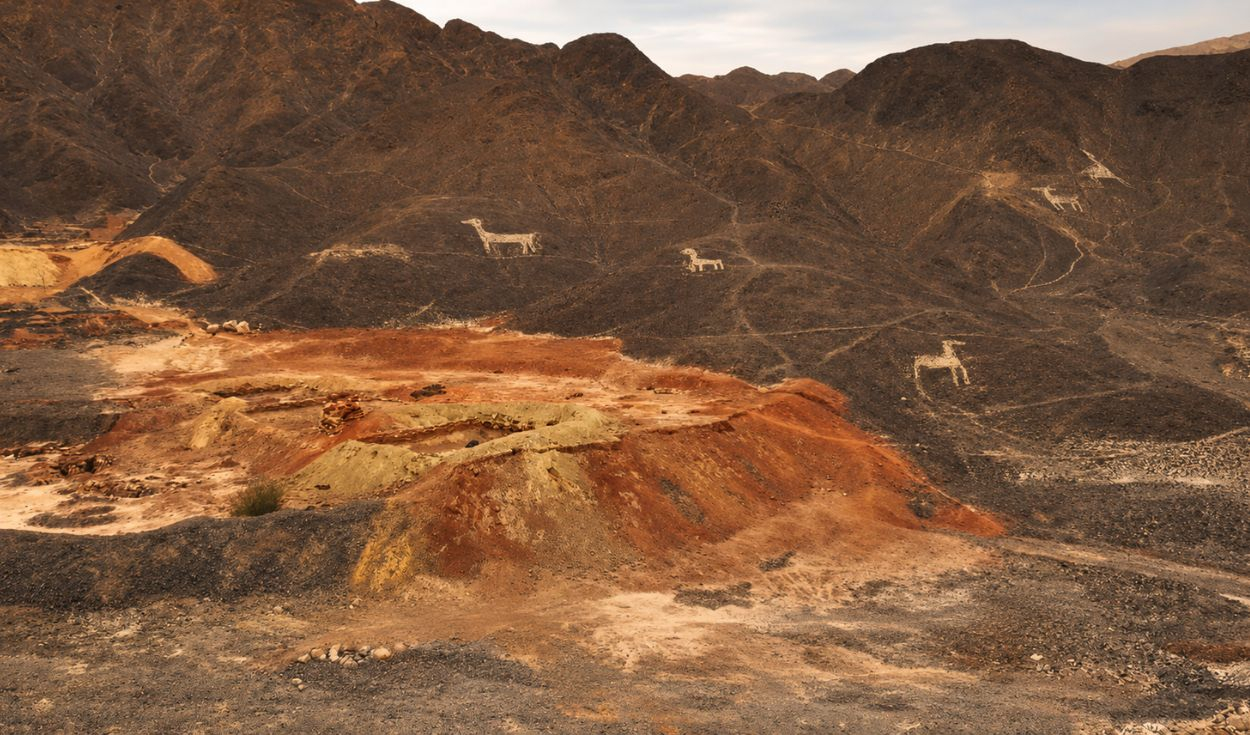
Peru's Nazca Lines, a globally significant archaeological treasure and UNESCO World Heritage site, face escalating threats from illegal mining, waste dumping, land encroachment, and uncontrolled urban development. Experts and local residents warn that these issues jeopardize the preservation of the geoglyphs and other sites linked to the ancient Nazca civilization.
The dangers extend beyond the famous geoglyphs on the Ica Pampas to include the Cahuachi ceremonial complex, ancient aqueducts, and other less-explored archaeological zones. Specialists note that only about 10% of Cahuachi has been studied to date, highlighting the vastness of what remains vulnerable.
The risk is not limited to the geoglyphs located on the pampas of Ica, but also extends to the Cahuachi ceremonial complex, ancient aqueducts, and other archaeological sites that are still little investigated.
A primary concern is the proliferation of illegal mining. Lawyer Noemí Castañeda reported over 130 illegal mining plants operating near communities, rivers, agricultural lands, and archaeological sectors. She specifically pointed to the Las Trancas Valley, where over 21 mineral processing plants have been active since 2012, and blamed the Ica Regional Government for permitting their expansion through land titling processes.
There are more than 130 illegal mining plants installed near population centers, rivers, agricultural areas and archaeological sectors.
Environmental contamination is another critical issue. Residents have reported illegal dumping of household waste and even dead animals near the Nazca Lines, damaging the area's tourism appeal and indicating a lack of official intervention. Experts agree that illegal mining, land invasions, and disorderly urban growth pose the most significant threats to the Nazca Lines and related heritage.
In response to these challenges, the Ministry of Culture announced efforts to restore the Socos sector within the Nazca Lines and Geoglyphs Archaeological Reserve. This initiative, led by the Decentralized Directorate of Culture of Ica in collaboration with the Provincial Municipality of Nasca, includes cleaning, environmental recovery, and improved signage to enhance protection for approximately six hectares affected by these issues.
Illegal mining, invasions and disordered urban growth currently represent some of the greatest threats to the conservation of the Nazca Lines and associated archaeological heritage.
DistantNews Editorial
Originally published by La República in Spanish. Translated, summarized, and contextualized by our editorial team with added local perspective. Read our editorial standards.
More Stories



From Our Blog

What Gets Lost (and Found) When News Is Translated

The Critical Role of Diaspora Media in Global News

What Travellers Should Know About Countries with Restricted Press

A Digital Nomad's Guide to Following Local News

How the Same Story Looks Different in Different Countries
