


In 99% of Cases, Sushi Restaurants Don't Serve Wasabi, But This Colored Ingredient
Translated from Czech, summarized and contextualized by DistantNews.
TLDR
- The article discusses the common practice of using colored horseradish paste instead of real wasabi in sushi restaurants.
- It explains that most establishments opt for this imitation due to cost and availability, as real wasabi is expensive and difficult to cultivate.
- The piece highlights the difference between authentic wasabi and the commonly served substitute, which is typically made from horseradish, mustard, and green food coloring.
In the bustling world of sushi, a culinary art form revered for its freshness and delicate flavors, a common deception often goes unnoticed by diners. The vibrant green paste served alongside your nigiri and maki, which many assume to be the pungent, aromatic wasabi, is in fact, most often a clever imitation. This revelation, while perhaps surprising to some, is a widely acknowledged reality within the industry, particularly in the Czech Republic where this article originates.
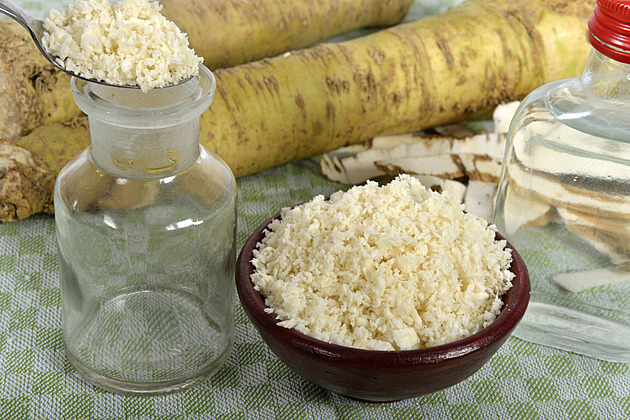
While true wasabi, derived from the wasabi japonica plant, offers a nuanced heat and distinct aroma, its cultivation is notoriously challenging. It requires specific cool, humid conditions and a great deal of care, making it a costly ingredient. Consequently, most sushi restaurants, for economic and practical reasons, turn to a more accessible substitute. This imitation is typically a blend of horseradish, mustard powder, and green food coloring, designed to mimic the appearance and deliver a similar, albeit less refined, spicy kick.
From a local perspective, this practice is less about malicious intent and more about the realities of running a food business. The cost-effectiveness and consistent availability of the horseradish-based paste make it a staple. While purists might lament the absence of the real deal, the majority of patrons are likely satisfied with the familiar spicy accompaniment. This article, published by iDNES.cz, a prominent Czech news portal, aims to inform the public about this culinary sleight of hand, encouraging a more informed dining experience.
DistantNews Editorial
Originally published by iDNES in Czech. Translated, summarized, and contextualized by our editorial team with added local perspective. Read our editorial standards.
More Stories



From Our Blog

What Gets Lost (and Found) When News Is Translated

The Critical Role of Diaspora Media in Global News

What Travellers Should Know About Countries with Restricted Press

A Digital Nomad's Guide to Following Local News

How the Same Story Looks Different in Different Countries
