

India is losing its regional primacy as Beijing and Washington move in
Summarized and contextualized by DistantNews.
At a glance
Analysis
Named sources
Context piece
- India's regional dominance is diminishing as smaller South Asian states gain leverage.
- China is strategically competing with India, increasing economic and military influence in Pakistan and potentially Bangladesh.
- India's past approach of tying relations to specific political parties proved vulnerable, impacting its current standing.
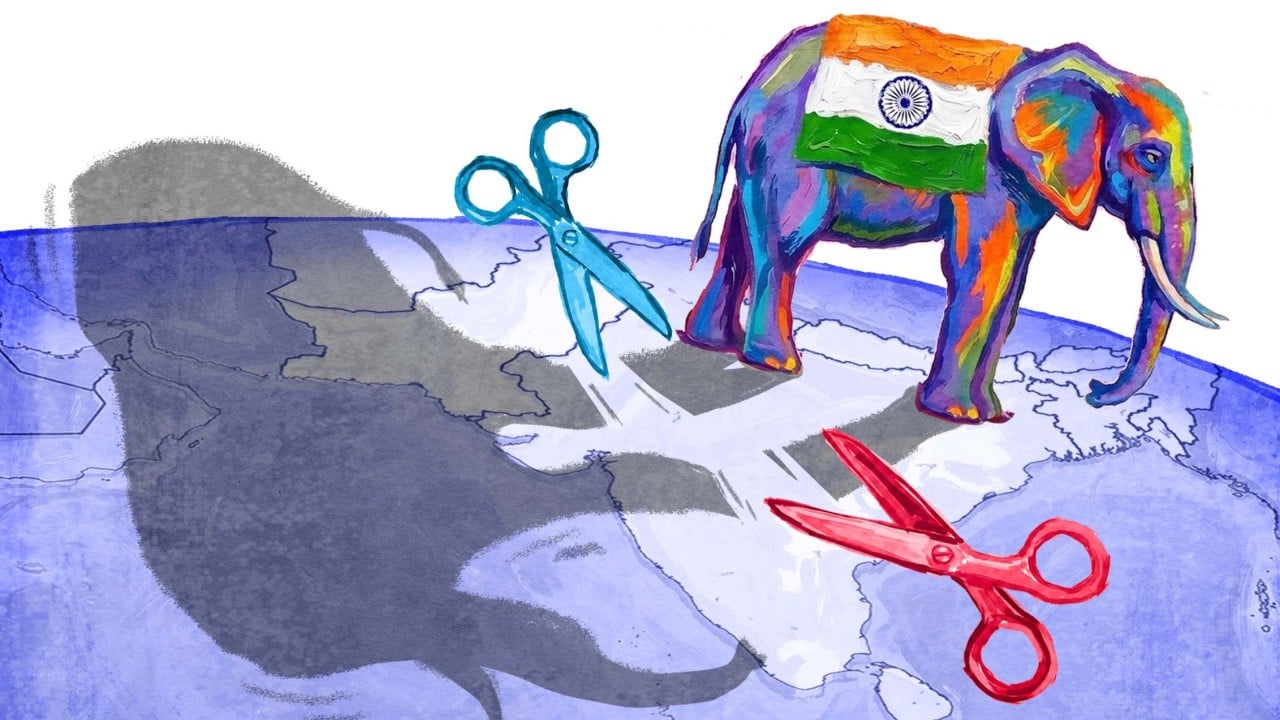
India's long-held regional primacy is eroding, with smaller South Asian nations now commanding a wider array of diplomatic and economic options. This shift is driven by the strategic maneuvers of both Beijing and Washington, forcing India to sustain its leadership through "credible and mutually beneficial engagements" that favorably compare with alternatives.
China's influence is growing, particularly evident in Pakistan, which has become a major recipient of Chinese arms and has issued its first yuan-denominated sovereign bond. The rivalry with India, marked by border disputes and past confrontations, remains unresolved despite cautious normalization of relations. Economic dependence further complicates the dynamic, with India importing significant goods from China, though it is seeking to reduce reliance on critical imports.
Bangladesh exemplifies the risks of India's previous foreign policy approach. The close partnership with former Prime Minister Sheikh Hasina's Awami League government, which was deposed in 2024, left India's relationship with the new administration strained. The current Prime Minister Tarique Rahman's decision to include China in his first overseas tour signals Bangladesh's intent to leverage its growing ties with Beijing to negotiate from a stronger position with India, suggesting China's influence in Dhaka is expected to expand.
Regional leadership can no longer rest on geography and must be sustained through credible and mutually beneficial engagements that compare favourably with the alternatives.
DistantNews Editorial
Originally published by South China Morning Post. Summarized and contextualized by our editorial team with added local perspective. Read our editorial standards.
More Stories

From Our Blog

Countries Without a Free Press: What You Need to Know

What Press Freedom Means for the News You Read

What Gets Lost (and Found) When News Is Translated

The Critical Role of Diaspora Media in Global News

What Travellers Should Know About Countries with Restricted Press
