

Indian Ocean patterns may predict dry spells in Eastern Mediterranean, study finds
Translated from English, summarized and contextualized by DistantNews.
At a glance
Analysis
Named sources
Context piece
- New research suggests the Indian Ocean Dipole may influence prolonged dry winter spells in the Eastern Mediterranean.
- The findings could improve seasonal drought risk forecasting in the water-stressed Levant region.
- The study analyzed over 70 years of climate data, linking positive IOD phases to atmospheric circulation shifts that suppress rainfall.
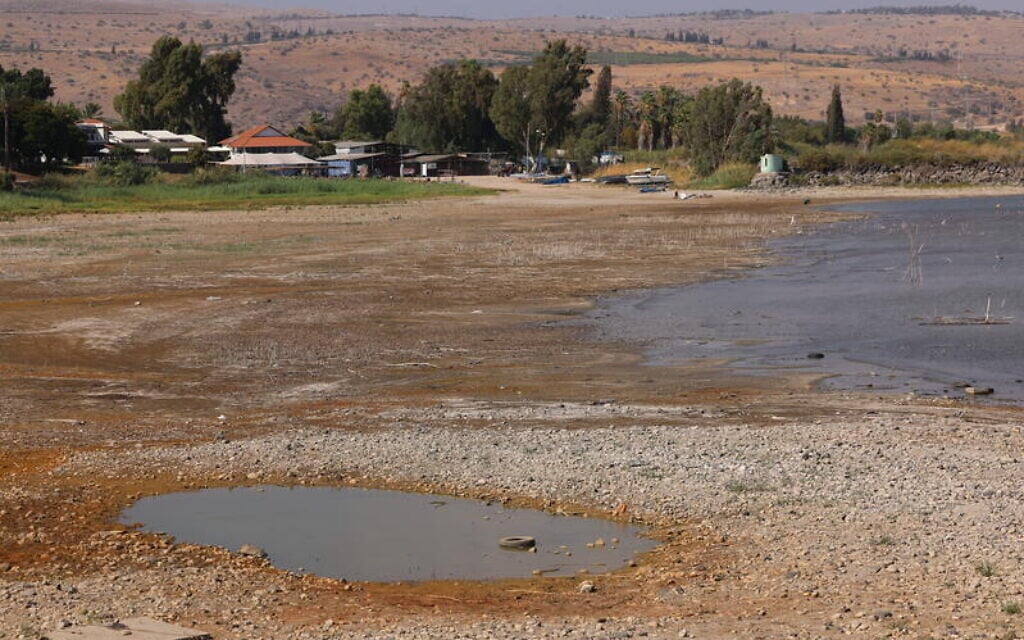
New research from Jerusalem's Hebrew University indicates that temperature patterns in the Indian Ocean could predict prolonged dry winter spells in the Eastern Mediterranean, potentially months in advance. This discovery may significantly enhance seasonal forecasting of drought risk in the Levant, a region already facing severe water stress.
The study, set to be published in Atmospheric Research, was conducted by doctoral student Victor Murphy and Assaf Hochman from the university's Earth Sciences Institute, along with Sigalit Berkovic of the Israel Institute for Biological Research. Forecasting extended dry periods during the Mediterranean winter has historically been challenging.
Researchers examined the connection between the Indian Ocean Dipole (IOD), a recurring pattern of warming and cooling in the tropical Indian Ocean, and these arid spells. By analyzing more than 70 years of climate observations and atmospheric data, they found that positive phases of the IOD correlate with large-scale shifts in atmospheric circulation across the Indian Ocean, Eurasia, and the Eastern Mediterranean. These shifts favor stable high-pressure systems that inhibit rainfall, thereby increasing the likelihood of extended winter dry spells.
When we think about drought in the Eastern Mediterranean, we rarely think about the Indian Ocean. Yet our research shows that what happens thousands of kilometers away can reshape the atmospheric circulation that determines whether our region experiences weeks without rain. This highlights just how interconnected Earth’s climate system really is.
"When we think about drought in the Eastern Mediterranean, we rarely think about the Indian Ocean," said Berkovic. "Yet our research shows that what happens thousands of kilometers away can reshape the atmospheric circulation that determines whether our region experiences weeks without rain. This highlights just how interconnected Earth’s climate system really is."
Hochman added, "Weather in the Mediterranean is not controlled only by local conditions. Our results show that changes in the tropical Indian Ocean can trigger atmospheric processes that ultimately shape winter rainfall in the Levant. Understanding these long-distance climate connections is crucial for improving our predictive models."
Weather in the Mediterranean is not controlled only by local conditions. Our results show that changes in the tropical Indian Ocean can trigger atmospheric processes that ultimately shape winter rainfall in the Levant. Understanding these long-distance climate connections is crucial for improving our predictive models.
DistantNews Editorial
Originally published by Times of Israel in English. Translated, summarized, and contextualized by our editorial team with added local perspective. Read our editorial standards.
More Stories



From Our Blog

What Gets Lost (and Found) When News Is Translated

The Critical Role of Diaspora Media in Global News

What Travellers Should Know About Countries with Restricted Press

A Digital Nomad's Guide to Following Local News

How the Same Story Looks Different in Different Countries
