

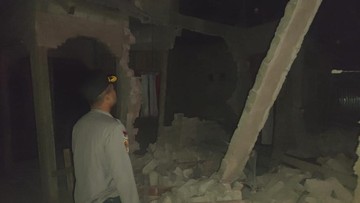

Indonesia Implements Emergency Learning in Earthquake-Hit East Nusa Tenggara
Translated from Indonesian, summarized and contextualized by DistantNews.
At a glance
News
Named sources
Outcome reported
- Indonesia's Ministry of Primary and Secondary Education has implemented an emergency learning system in East Nusa Tenggara following an earthquake.
- The system uses an emergency curriculum to ensure learning continues safely for students and teachers.
- The ministry has also distributed aid, including school and family kits, to support affected students and families.
Indonesia's Ministry of Primary and Secondary Education is prioritizing the safety of teachers and students in East Nusa Tenggara after a recent earthquake. The ministry has rolled out an emergency learning system, complete with an emergency curriculum, to ensure educational activities can continue without endangering the school community. Minister Abdul Mu'ti emphasized that safety is the paramount concern, guiding the implementation of these adjusted learning activities.
The ministry has also provided crucial aid to the affected regions. A team delivered 2,000 children's gift packages, 800 school kits, and 70 family kits to Labuan Bajo. This assistance aims to meet the immediate needs of students and their families as they navigate the emergency conditions.
The priority and commitment of Kemendikdasmen are the safety of teachers and students in disaster areas. Therefore, the conducted learning also takes into account the safety of teachers and students by using an emergency learning system with an emergency curriculum.
Guidelines for emergency learning have been developed by the Primary and Secondary Education Policy Agency (BKPDM). Agency head Toni Toharudin assured that affected educational units, students, and teachers continue to receive government support. The guidelines offer flexibility, allowing schools to adapt learning methods based on damage levels, available facilities, and the surrounding environment. Essential learning materials, psychosocial support, and the restoration of learning routines are key components of this emergency approach. Learning can include limited face-to-face sessions, independent study, or other feasible methods, acknowledging the significant emotional impact disasters can have on students and staff.
We ensure that they continue to receive support so that the learning process can continue and students' right to learn is fulfilled, even in conditions of great limitations.
DistantNews Editorial
Originally published by Tempo in Indonesian. Translated, summarized, and contextualized by our editorial team with added local perspective. Read our editorial standards.
More Stories


From Our Blog

What Gets Lost (and Found) When News Is Translated

The Critical Role of Diaspora Media in Global News

What Travellers Should Know About Countries with Restricted Press

A Digital Nomad's Guide to Following Local News

How the Same Story Looks Different in Different Countries
