


Indonesia Leads in Child Online Protection with New Social Media Regulation
Translated from Indonesian, summarized and contextualized by DistantNews.
TLDR
- Indonesia's Minister of Communication and Digital, Meutya Hafid, highlighted the importance of Government Regulation No. 17 of 2025 (PP Tunas) in restricting social media use for children.
- Data shows a significant increase in students contemplating suicide between 2015 and 2023, linked to negative social media content.
- Indonesia is the second country, after Australia, to implement such restrictions, aiming to protect children and potentially lead other nations to follow suit.
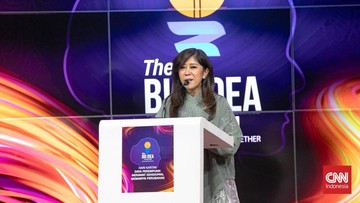
In a crucial move to safeguard the nation's youth, Indonesia is taking a firm stance against the detrimental effects of social media on children. Minister of Communication and Digital, Meutya Hafid, has emphasized the critical role of Government Regulation No. 17 of 2025, known as PP Tunas, in curbing excessive and harmful social media engagement among minors. This regulation is a testament to President Joko Widodo's commitment to protecting the younger generation from the pervasive negative influences found online.
If we look at government data conducted from the results of the President's program, free health checks for children in schools, the percentage of those who think about ending their lives has increased from 2015 to 2023, by 1.6 times.
The urgency behind PP Tunas is underscored by alarming statistics. Data gathered through the government's Free Health Check (CKG) program reveals a stark increase in students experiencing suicidal ideation between 2015 and 2023, a rise of 1.6 times. This disturbing trend is strongly correlated with exposure to negative content on social media platforms. Furthermore, separate data indicates that the percentage of students attempting suicide has also climbed significantly, from 3.9% in 2015 to 10.7% in 2023. These figures paint a grim picture of the mental health crisis facing Indonesian youth, a crisis that demands immediate and decisive action.
So this is outside the CKG data, but I don't know about the CKG data, it might show similar things.
Indonesia's proactive approach positions it as a leader in digital child protection. Following Australia's footsteps, Indonesia is now the second nation to enact specific regulations limiting children's access to social media. Minister Hafid expressed confidence that this pioneering step will encourage other countries, including Poland, Italy, Greece, and Austria, to adopt similar measures. This initiative is not merely about restriction; it's about fostering a healthier digital environment where children can thrive without being exposed to content that can severely impact their mental well-being. As Minister Hafid stated, Indonesia can indeed lead the way in 'caring for life' through such forward-thinking policies.
Therefore, Meutya assesses that PP Tunas can overcome this problem by restricting children's use of social media.
From an Indonesian perspective, this is a matter of national priority. While Western media might focus on the technological or economic aspects of social media, our primary concern is the well-being and future of our children. The rise in depression and anxiety symptoms detected among students – 363,000 with depression and 338,000 with anxiety – highlights the profound impact of the digital world on their mental health. PP Tunas is not just a regulation; it is an expression of our collective responsibility as a nation to protect our most vulnerable citizens. It reflects a deep-seated cultural value of prioritizing community and family well-being, ensuring that technological advancement does not come at the cost of our children's mental and emotional health. This is a uniquely Indonesian response, driven by a profound understanding of the local challenges and a strong desire to cultivate a generation that is resilient and healthy, both online and offline.
That is, Indonesia can lead in caring for life.
DistantNews Editorial
Originally published by CNN Indonesia in Indonesian. Translated, summarized, and contextualized by our editorial team with added local perspective. Read our editorial standards.
More Stories


From Our Blog

What Gets Lost (and Found) When News Is Translated

The Critical Role of Diaspora Media in Global News

What Travellers Should Know About Countries with Restricted Press

A Digital Nomad's Guide to Following Local News

How the Same Story Looks Different in Different Countries
