

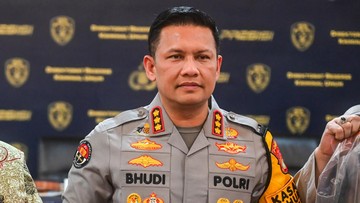

Two Main Currents of NU Meet: A Sign of Future Coalition?
Translated from Indonesian, summarized and contextualized by DistantNews.
TLDR
- Two prominent figures within Nahdlatul Ulama (NU), KH Imam Jazuli and Prof. KH Asep Saifuddin Chalim, met in Cirebon.
- The meeting is seen as a significant precursor to the upcoming NU Muktamar, potentially signaling a "coalition" between their factions.
- Both figures are characterized by their economic independence, intellectual progressiveness, and adherence to tradition, with shared lineage to Sunan Gunung Jati.
A significant meeting has taken place between two influential figures within Nahdlatul Ulama (NU), KH Imam Jazuli and Prof. KH Asep Saifuddin Chalim, at the Bina Insan Mulia (BIMA) pesantren in Cirebon. This gathering, occurring on April 14, 2026, is more than just a friendly encounter; it carries substantial weight as the upcoming NU Muktamar approaches.
Dubbed a meeting of "two poles of energy" within NU, the interaction between Kiai Imam and Kiai Asep is being interpreted as a potential "coalition" that could shape the future leadership of the organization. Both are seen as prototypes for future NU leaders: economically self-sufficient, intellectually forward-thinking, yet deeply rooted in tradition.
What unites these two prominent kiai are several key factors. Firstly, they share a prestigious lineage, both tracing their ancestry back to Sunan Gunung Jati, a revered historical figure. This shared spiritual and social capital is a powerful foundation for their leadership. Secondly, and perhaps most crucially in the context of organizational leadership, both are described as having "finished with their stomach's affairs" – meaning they are financially independent and not seeking leadership for personal gain. Their wealth is seen as a tool to serve the umat (community), ensuring their independence and incorruptibility.
This meeting, as reported by Republika, highlights the internal dynamics and aspirations within NU. The emphasis on economic independence and intellectual progressiveness, combined with traditional roots, reflects a modern approach to religious leadership that resonates within Indonesia. The article frames this as a positive development, suggesting that such leaders are essential for the future of NU, an organization deeply embedded in the fabric of Indonesian society.
DistantNews Editorial
Originally published by Republika in Indonesian. Translated, summarized, and contextualized by our editorial team with added local perspective. Read our editorial standards.
More Stories


From Our Blog

What Gets Lost (and Found) When News Is Translated

The Critical Role of Diaspora Media in Global News

What Travellers Should Know About Countries with Restricted Press

A Digital Nomad's Guide to Following Local News

How the Same Story Looks Different in Different Countries
