

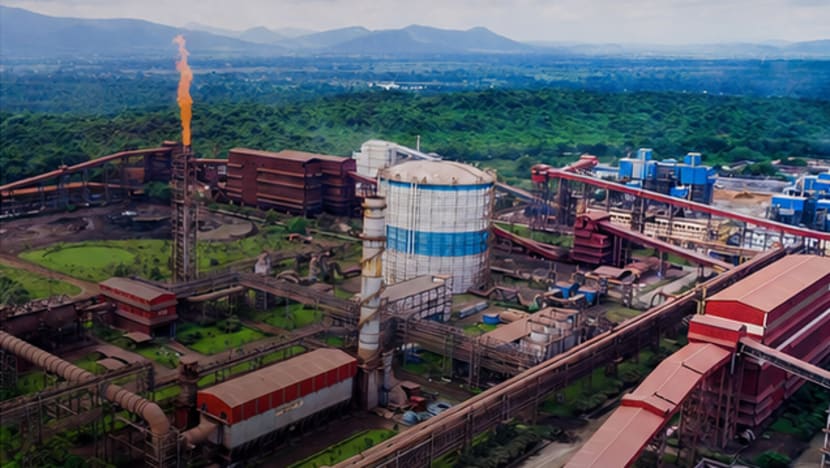

Indonesia on track to launch B50 biodiesel programme on July 1, minister says
Summarized and contextualized by DistantNews.
At a glance
News
From a news agency
New plan
- Indonesia will launch its B50 biodiesel program, blending 50% palm oil with diesel, on July 1, 2026.
- The program aims to reduce diesel imports and is projected to save the country billions in costs.
- The initiative faced earlier delays due to financing concerns but is now proceeding with updated subsidy estimates.
Indonesia is set to implement its B50 biodiesel mandate, a significant step in its renewable energy strategy, on July 1, 2026. This program mandates a blend of 50% palm oil-based biodiesel with 50% conventional diesel, a substantial increase from the current 40% blend.
Energy Minister Bahlil Lahadalia announced the launch date following positive results from fuel tests conducted by the Energy Ministry. The revival of the B50 plan in March was a strategic response to global oil supply disruptions. "Tests have been carried out by the Energy Ministry’s team and the results are encouraging... B50 implementation will be launched on July 1, 2026," Bahlil told reporters.
Tests have been carried out by the Energy Ministry’s team and the results are encouraging... B50 implementation will be launched on July 1, 2026.
The primary goal of the B50 mandate is to drastically reduce Indonesia's reliance on diesel imports, particularly cetane 48 gasoil. The Energy Ministry estimates that the B50 scheme, implemented from July to December 2026, could save Indonesia approximately 157.28 trillion rupiah (S$11.1 billion) in import costs. This represents a significant increase in savings compared to maintaining the B40 scheme for the entire year.
While the B50 plan was previously shelved in early 2026 due to financing issues, updated projections suggest lower biodiesel subsidies than initially budgeted. This adjustment is partly attributed to a recent surge in crude oil prices, which has made palm oil relatively cheaper. Biodiesel subsidies are now expected to decrease from 47 trillion rupiah to 32 trillion rupiah. Indonesia funds these subsidies through a levy on palm oil exports, bridging the price difference between gasoil and palm-based diesel.
Thus, we will reduce or even stop diesel imports, especially cetane 48 gasoil.
DistantNews Editorial
Originally published by The Straits Times. Summarized and contextualized by our editorial team with added local perspective. Read our editorial standards.
More Stories

From Our Blog

What Gets Lost (and Found) When News Is Translated

The Critical Role of Diaspora Media in Global News

What Travellers Should Know About Countries with Restricted Press

A Digital Nomad's Guide to Following Local News

How the Same Story Looks Different in Different Countries
