


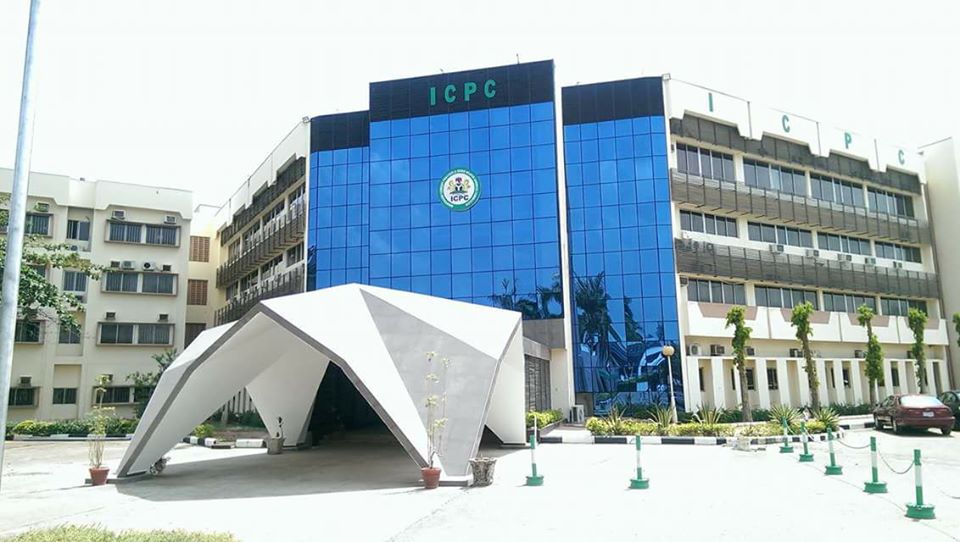
Indonesia’s anti-graft KPK jailed hundreds of ‘untouchable’ elites — Envoy tells ICPC
Summarized and contextualized by DistantNews.
At a glance
News
Named sources
Context piece
- Indonesia's Corruption Eradication Commission (KPK) has successfully prosecuted hundreds of high-profile individuals, including ministers and lawmakers.
- This achievement was highlighted by an Indonesian envoy as Nigerian anti-corruption authorities sought to learn from their methods.
- The KPK's success demonstrates a strong commitment to tackling corruption among the elite.
Indonesia's powerful anti-graft agency, the Corruption Eradication Commission (KPK), has secured convictions against hundreds of elites previously considered 'untouchable.' The agency's successful prosecution includes ministers, governors, lawmakers, and judges, showcasing a significant crackdown on corruption at the highest levels.
Mrs. Tuty Dityawanty, a representative of the Indonesian Ambassador, shared these details on Monday. Her remarks came as Nigerian anti-corruption authorities expressed keen interest in adopting Indonesia's strategies for combating graft. The focus is on understanding the mechanisms that have enabled the KPK's effectiveness.
The KPK's track record highlights a determined effort to dismantle corrupt networks and hold powerful figures accountable. This approach aims to restore public trust and ensure that no individual is above the law, regardless of their position or influence within the country.
Indonesia’s anti-graft agency, Corruption Eradication Commission, KPK, has arrested and convicted hundreds of ‘untouchable’ elites, including ministers, governors, lawmakers and judges.
DistantNews Editorial
Originally published by Vanguard. Summarized and contextualized by our editorial team with added local perspective. Read our editorial standards.
More Stories

From Our Blog

How the Same Story Looks Different in Different Countries

What Gets Lost (and Found) When News Is Translated

The Critical Role of Diaspora Media in Global News

What Travellers Should Know About Countries with Restricted Press

A Digital Nomad's Guide to Following Local News
