


Indonesia's Asset Forfeiture Bill: Lawmakers Vow Greater Public Input After Past Criticisms
Translated from Indonesian, summarized and contextualized by DistantNews.
TLDR
- Indonesian lawmakers are discussing a draft bill on asset forfeiture, aiming for greater public participation than previous legislative processes.
- The initiative follows criticism regarding the public consultation phases for the Criminal Code and Criminal Procedure Code.
- The goal is to involve academics and the public from the initial stages of drafting the asset forfeiture bill.
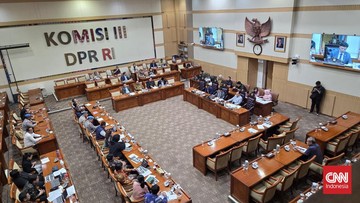
In Indonesia, the legislative process is often a delicate dance between efficiency and inclusivity. The current discussions surrounding the Draft Law on Asset Forfeiture (RUU Perampasan Aset) at the House of Representatives (DPR) exemplify this. Commission III, led by figures like Habiburokhman, is making a concerted effort to learn from past criticisms, particularly concerning the Criminal Code (KUHP) and the Criminal Procedure Code (KUHAP).
We need to inform you first, Prof, that learning from the drafting of the Criminal Code and Criminal Procedure Code yesterday, we were also criticized for public participation only after the discussion stage.
The key takeaway here is the explicit acknowledgment of past shortcomings. The previous drafting of the KUHP and KUHAP faced significant backlash from civil society coalitions, who argued that public participation was minimal and occurred too late in the process. This time, Commission III is proactively seeking input from academics and the public from the very inception of the RUU Perampasan Aset, starting with the academic paper and initial draft.
This shift towards greater transparency and participation is crucial for building public trust in the legal system. In Indonesia, where legal reforms can have profound impacts on society, ensuring that diverse voices are heard is paramount. The involvement of UI legal experts Harkristuti Harkrisnowo and Neng Zubaidah is a tangible step in this direction, signaling a commitment to a more robust and well-considered piece of legislation.
This is what we want to be far more participatory than the Criminal Code and Criminal Procedure Code, where we ask for public opinions, especially from academics, since the drafting of the academic paper, plus the initial draft of the bill.
From our perspective at Tempo, this approach is not just about ticking a box for public consultation. It's about fostering a legal framework that is perceived as legitimate and fair by the people it serves. The lessons learned from the rushed socialization of the new KUHAP, which led to calls for a presidential regulation in lieu of law (Perppu) to delay its implementation, are still fresh. This new effort to be more participatory in the asset forfeiture bill's drafting process is a welcome development, aiming to avoid similar controversies and ensure the law is both effective and widely accepted.
We encourage the President to immediately issue a Perppu.
DistantNews Editorial
Originally published by Tempo in Indonesian. Translated, summarized, and contextualized by our editorial team with added local perspective. Read our editorial standards.
More Stories



From Our Blog

What Gets Lost (and Found) When News Is Translated

The Critical Role of Diaspora Media in Global News

What Travellers Should Know About Countries with Restricted Press

A Digital Nomad's Guide to Following Local News

How the Same Story Looks Different in Different Countries
