


Indonesian Lawmakers Discuss Revising National Resources Law for Defense
Translated from Indonesian, summarized and contextualized by DistantNews.
TLDR
- Commission I of the Indonesian House of Representatives (DPR) is internally discussing a potential revision of Law Number 23 of 2019 concerning the Management of National Resources for State Defense.
- The meeting aims to study proposals for revising the law, which was passed in 2019 and has faced criticism regarding public participation and the mobilization of natural resources.
- Key figures like Commission I Chairman Utut Adianto and Deputy Chairman Dave Akbarshah Fikarno Laksono attended the closed-door meeting.
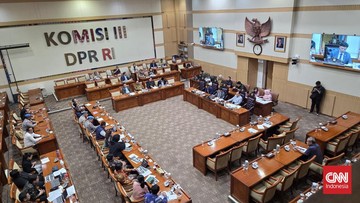
Commission I of the Indonesian House of Representatives (DPR) convened a closed-door internal meeting on April 20, 2026, to deliberate on the potential revision of Law Number 23 of 2019 concerning the Management of National Resources for State Defense (PSDN). This discussion signals a move to re-examine a law that has been a subject of contention since its inception, particularly concerning the mobilization of both human and natural resources for national defense purposes.
It's still an internal meeting. We haven't discussed the substance yet. We still want to discuss what needs to be changed.
The law, enacted in 2019, has drawn criticism from civil society groups and human rights bodies like Komnas HAM and Imparsial. Concerns were raised about the limited public participation during its deliberation and specific articles that seemed to mandate the surrender of natural resources to the state, with penalties for non-compliance. Imparsial, for instance, highlighted the perceived lack of voluntariness in the mobilization of non-human resources, contrasting it with the voluntary nature of citizen participation in reserve components.
During the meeting, Commission I members, including Chairman Utut Adianto and Deputy Chairman Dave Akbarshah Fikarno Laksono, aimed to understand the substance of proposed revisions. However, details regarding who initiated these revision proposals—whether the government or the DPR itself—remain unclear, with members indicating a need for further internal study before any decisions are made to formally agenda the revisions. This cautious approach suggests a desire to address the criticisms while ensuring the revisions align with national defense objectives.
I'm going to ask (the purpose of the meeting).
From an Indonesian perspective, the PSDN law touches upon sensitive issues of national sovereignty, resource management, and citizen obligations. The debate over revising this law is not merely a technical legislative exercise; it reflects a broader national conversation about the balance between state security needs and individual rights, as well as the principles of transparency and public involvement in governance. The historical context of protests against the original law and the ongoing scrutiny from rights groups underscore the importance of ensuring that any revisions uphold democratic values and human rights, while effectively strengthening national defense capabilities. This internal discussion within Commission I is a crucial step in navigating these complex considerations.
The threat is that those who refuse to hand them over to the state can be punished with imprisonment for four years.
DistantNews Editorial
Originally published by Tempo in Indonesian. Translated, summarized, and contextualized by our editorial team with added local perspective. Read our editorial standards.
More Stories


From Our Blog

What Gets Lost (and Found) When News Is Translated

The Critical Role of Diaspora Media in Global News

What Travellers Should Know About Countries with Restricted Press

A Digital Nomad's Guide to Following Local News

How the Same Story Looks Different in Different Countries
