


Indonesia Steps Up Forest Fire Response as September Becomes a “Battleground”
Translated from Indonesian and summarized by DistantNews. Read the original for the full story.
At a glance
News
Official statement
Ongoing story
- Indonesia’s Forestry Ministry plans to expand cloud seeding, aerial water-bombing and ground operations throughout September as seasonal rain is delayed.
- Nearly 286,000 hectares burned nationwide between January and late August 2026, while more than 1,200 active hotspots were recorded at peak levels in Kalimantan and Sumatra.
- Authorities attribute the fires to a prolonged El Niño-related dry spell and illegal slash-and-burn land clearing.
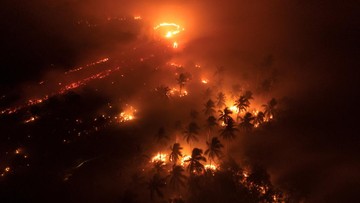
Indonesia is treating September as the decisive month in its response to widespread forest and land fires. Forestry Minister Raja Juli Antoni called it a “battleground” as forecasts indicate that seasonal rainfall may not return until early October.
The Forestry Ministry plans to maximize weather modification operations, including cloud seeding, where atmospheric conditions allow authorities to induce rain over affected areas. It will also use aerial water-bombing and reinforce ground operations in fire-prone locations.
About 1,000 additional personnel are being deployed to prevent frontline fatigue and support specialist firefighting units. Raja Juli said ground task forces should be concentrated in areas with large numbers of hotspots and organized through daily rotations, with extra staff handling essential logistics.
September is our battleground
The expanded response follows extensive fire damage. Nearly 286,000 hectares burned across Indonesia between January and late August 2026, according to the figures cited. The National Disaster Management Agency recorded more than 48,889 hectares burned in six priority provinces, while the ministry’s SIPONGI monitoring system registered more than 1,200 active hotspots at peak levels across Kalimantan and Sumatra.
The fires have been linked to a prolonged dry spell caused by El Niño and worsened by illegal slash-and-burn practices used to clear land. Authorities are therefore combining emergency suppression measures with efforts to keep firefighting teams operating through the driest part of the season.
Ground task forces must be deployed as optimally as possible in areas with high numbers of hotspots, supported by structured daily rotations
About this summary
Originally published by Tempo in Indonesian. Translated, summarized, and contextualized automatically by DistantNews, with a note on how the source frames the story. Not individually reviewed before publishing. How this works.
More Stories


From Our Blog

What Gets Lost (and Found) When News Is Translated

The Critical Role of Diaspora Media in Global News

What Travellers Should Know About Countries with Restricted Press

A Digital Nomad's Guide to Following Local News

How the Same Story Looks Different in Different Countries
