


Indonesian Labor Union Claims Sole Funding for Marsinah Museum
Translated from Indonesian, summarized and contextualized by DistantNews.
TLDR
- The Confederation of All Indonesian Labor Unions (KSPSI) claims it solely funded the construction of the Marsinah Museum in Nganjuk, East Java.
- KSPSI President Andi Gani Nena Wea stated the museum was built using member contributions and his own funds, without any state budget (APBN) involvement.
- The museum honors Marsinah, a labor activist murdered in 1993, and its construction highlights KSPSI's significant cooperative assets.
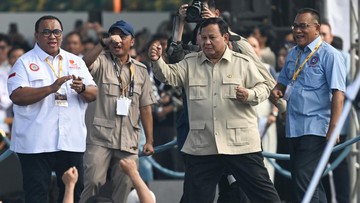
Jakarta – The President of the Confederation of All Indonesian Labor Unions (KSPSI), Andi Gani Nena Wea, has asserted that his organization independently financed the construction of the Marsinah Museum in Nganjuk, East Java. Speaking at a press conference, Andi Gani emphatically stated that the project received no funding from the State Budget (APBN) or any government ministries. Instead, the museum stands as a testament to the collective will and financial contributions of KSPSI members, supplemented by his personal funds. This initiative underscores the substantial financial capacity of KSPSI, particularly through its cooperative assets, which Andi Gani claims amount to trillions of rupiah. He highlighted specific cooperative funds, such as KHT with Rp750 billion and NOK with around Rp150 billion, as examples of the significant resources available. This self-reliance in funding the Marsinah Museum is particularly noteworthy, as it celebrates the legacy of Marsinah, a prominent labor activist and icon of workers' rights in Indonesia who was tragically killed in 1993. The museum's existence, built entirely through union resources, sends a powerful message about the strength and independence of the labor movement in Indonesia. It demonstrates that workers' organizations can achieve significant cultural and historical projects without relying on government support, reflecting a deep commitment to preserving their own history and honoring their heroes. From our perspective at CNN Indonesia, this development is not just about a museum; it's about the assertion of agency and the mobilization of internal resources by a major labor confederation to commemorate a pivotal figure in Indonesian labor history.
Who built the Marsinah Museum? I emphasize once again, not the APBN. No APBN, no Ministry of Manpower, or anywhere else. KSPSI built it. With the funds from our members' contributions, mostly, and I added.
DistantNews Editorial
Originally published by CNN Indonesia in Indonesian. Translated, summarized, and contextualized by our editorial team with added local perspective. Read our editorial standards.
More Stories


From Our Blog

What Gets Lost (and Found) When News Is Translated

The Critical Role of Diaspora Media in Global News

What Travellers Should Know About Countries with Restricted Press

A Digital Nomad's Guide to Following Local News

How the Same Story Looks Different in Different Countries
