


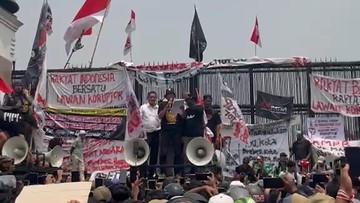
Indonesian lawmakers meet protesters, promise asset forfeiture bill completion
Translated from Indonesian and summarized by DistantNews. Read the original for the full story.
At a glance
News
Sources not specified
New plan
- Protesters met with Indonesian lawmakers at the DPR, demanding the passage of the Asset Forfeiture Bill.
- Lawmakers promised the bill would be passed no later than December 15.
- Protesters also called for harsher penalties for corruption convicts.
A group of demonstrators converged on the Indonesian House of Representatives (DPR) on Thursday, engaging directly with lawmakers to press their demands. Central to their protest was the urgent need to pass the Asset Forfeiture Bill, a piece of legislation aimed at recovering illicitly obtained assets.
During the meeting, a representative for the protesters, identified as Botok, received assurances from DPR members that the Asset Forfeiture Bill would be officially ratified. The commitment was made to finalize the bill by December 15 at the latest, addressing a key demand of the demonstrators.
Beyond the asset forfeiture legislation, the protesters voiced several other critical demands. A significant focus was placed on advocating for stricter penalties for individuals convicted of corruption offenses. This call reflects a broader public sentiment seeking more robust measures to combat graft and hold corrupt officials accountable.
The demonstration and subsequent meeting highlight ongoing public pressure on the Indonesian government to strengthen anti-corruption measures and ensure legislative progress on key reforms. The commitment to pass the Asset Forfeiture Bill signals a potential step forward in these efforts.
About this summary
Originally published by CNN Indonesia in Indonesian. Translated, summarized, and contextualized automatically by DistantNews, with a note on how the source frames the story. Not individually reviewed before publishing. How this works.
More Stories

From Our Blog

What Gets Lost (and Found) When News Is Translated

The Critical Role of Diaspora Media in Global News

What Travellers Should Know About Countries with Restricted Press

A Digital Nomad's Guide to Following Local News

How the Same Story Looks Different in Different Countries
