


Indonesian Ministry of Tourism proposes waste management support for hotels, restaurants, cafes
Translated from Indonesian, summarized and contextualized by DistantNews.
At a glance
News
Sources not specified
Context piece
- Indonesia's Ministry of Tourism proposed that the Ministry of Environment provide assistance to hotels, restaurants, and cafes for waste management.
- The proposal emphasizes training and education for businesses, addressing regulatory and technical alignment on waste handling.
- Data shows 298 businesses received administrative sanctions for waste issues, with 44 still non-compliant, highlighting challenges like space, cost, and proper disposal partnerships.
Indonesia's Ministry of Tourism has proposed that the Ministry of Environment offer guidance to hotels, restaurants, and cafes (horeka) on effective waste management. This initiative aims to improve how these businesses handle their waste, a critical issue for the tourism sector.
But the practice that is currently ongoing is not yet fully in accordance with PP Number 81 of 2012, which requires sorting into five types of waste.
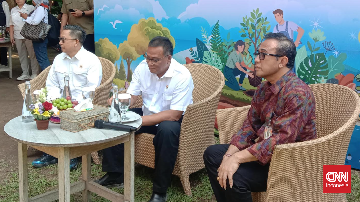
During a coordination meeting in Denpasar, Bali, the Ministry of Tourism suggested prioritizing training and education for horeka businesses regarding waste handling. The ministry also highlighted the need for consistent understanding of regulations and technical procedures for waste management among central government, local authorities, and the businesses themselves.
According to Ministry of Environment data from early June 2026, 298 horeka businesses have faced administrative sanctions for improper waste management, with 44 still not complying. Deputy Minister of Tourism Ni Luh Puspa noted that while many businesses try to manage waste independently or through third parties, their practices often fall short of Government Regulation No. 81 of 2012, which mandates sorting waste into five categories.
The constraints are limited space and cost, as well as the concern that the sorted waste will be mixed again during the transportation process.
Puspa explained that businesses typically only manage to sort waste into three categories: organic, inorganic, and hazardous materials. They also face limitations in space and cost. Furthermore, businesses are concerned that sorted waste might be mixed again during transport. Those using third-party services struggle to find certified waste management partners who meet regulatory requirements, a fact not widely understood by many horeka operators.
Information regarding the importance of certified vendors is also not yet widely understood by horeka actors, Mr. Minister.
DistantNews Editorial
Originally published by Republika in Indonesian. Translated, summarized, and contextualized by our editorial team with added local perspective. Read our editorial standards.
More Stories


From Our Blog

What Gets Lost (and Found) When News Is Translated

The Critical Role of Diaspora Media in Global News

What Travellers Should Know About Countries with Restricted Press

A Digital Nomad's Guide to Following Local News

How the Same Story Looks Different in Different Countries
