


Indonesian Parliament Urges Accurate Data for Targeted Social Aid
Translated from Indonesian and summarized by DistantNews. Read the original for the full story.
At a glance
News
Sources not specified
Context piece
- An Indonesian lawmaker is urging the government to improve the accuracy of data used to determine income deciles for social aid distribution.
- He stressed that precise data is crucial for ensuring low-income households receive necessary government assistance.
- The call includes a demand for transparency in the criteria used for decile classification and greater involvement of local governments in data verification.
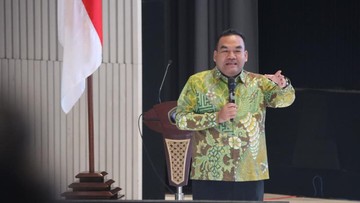
Giri Ramanda Nazaputra Kiemas, a member of Commission II of the Indonesian House of Representatives (DPR) from the PDI Perjuangan faction, has highlighted the critical importance of accurate income decile data for the effective distribution of government social aid.
The issue of deciles for the community is a matter of life and death. Most people still want government assistance, especially those in the lower deciles, meaning the lowest incomes.
Kiemas emphasized that the classification of citizens into income deciles is not merely an administrative matter but directly impacts people's access to essential social assistance. He pointed out that many low-income individuals and families heavily rely on these government programs. "The issue of deciles for the community is a matter of life and death. Most people still want government assistance, especially those in the lower deciles, meaning the lowest incomes," Kiemas stated.
To address potential inaccuracies, Kiemas urged the government to be transparent about the criteria and variables used in determining each citizen's decile. This transparency, he believes, will help the public understand the basis for classification and prevent aid from being misdirected. He cited an example of a becak (rickshaw) driver being recorded in the ninth decile, illustrating the need for thorough verification and re-checking of citizen data. "It is unacceptable for those who are not eligible to receive aid, while those who are eligible do not receive it. The government must clearly open up the criteria for the existing deciles. Do not create confusion for the public," he added.
It is unacceptable for those who are not eligible to receive aid, while those who are eligible do not receive it. The government must clearly open up the criteria for the existing deciles. Do not create confusion for the public.
Furthermore, Kiemas called for the central government to involve regional governments in the data verification process. He argued that local authorities have closer proximity to the community and can better match administrative data with on-the-ground realities. He also stressed the need for regular updates to the decile data to reflect the dynamic economic conditions of the population, as circumstances like job loss or changes in income sources can occur rapidly. "Verification, synchronization, and the involvement of local governments down to the lowest levels with a structured and measurable check and recheck mechanism must be carried out," he concluded.
Verification, synchronization, and the involvement of local governments down to the lowest levels with a structured and measurable check and recheck mechanism must be carried out.
About this summary
Originally published by Republika in Indonesian. Translated, summarized, and contextualized automatically by DistantNews, with a note on how the source frames the story. Not individually reviewed before publishing. How this works.
More Stories


From Our Blog

What Gets Lost (and Found) When News Is Translated

The Critical Role of Diaspora Media in Global News

What Travellers Should Know About Countries with Restricted Press

A Digital Nomad's Guide to Following Local News

How the Same Story Looks Different in Different Countries
