

Indus Basin Faces Looming Water Scarcity as Himalayan Snow Cover Shrinks for Fourth Consecutive Year
Translated from English, summarized and contextualized by DistantNews.
TLDR
- Snow cover in the Hindu Kush-Himalaya region has fallen below average for the fourth consecutive year, with the Indus River Basin experiencing an 18% reduction.
- This decline, coupled with below-normal precipitation, threatens water security for nearly two billion people dependent on the region's major river basins, potentially leading to increased drought risks.
- The International Centre for Integrated Mountain Development (ICIMOD) urges stronger water management strategies, drought preparedness, and improved early warning systems to mitigate the escalating threat.
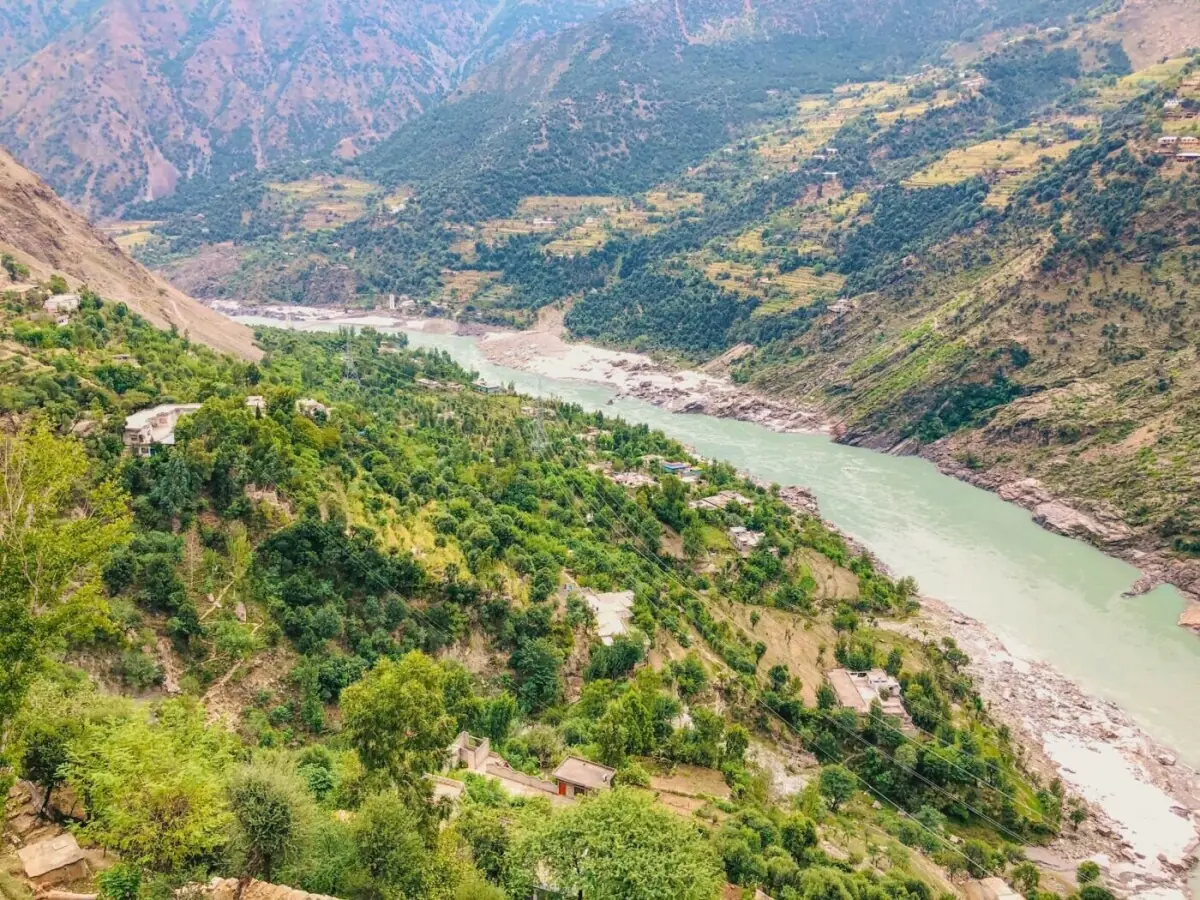
The Indus River Basin, the lifeblood of Pakistan, faces an increasingly dire threat of water scarcity as snow cover across the vital Hindu Kush-Himalaya (HKH) region continues its alarming decline. The latest ICIMOD report paints a grim picture: for the fourth year running, snow levels are below normal, with the Indus Basin seeing an 18% reduction. This isn't just a statistic; it's a direct threat to the water security of millions who rely on this system.
While international reports might focus on the global climate implications, for Pakistan, this is an immediate existential challenge. The Indus is not merely a river; it's the foundation of our agriculture, our economy, and our very survival. The consistent drop in snowmelt, a primary source of our river's flow, combined with erratic precipitation, signals a potential systemic collapse of our freshwater reserves. The prospect of increased groundwater extraction and heightened drought risks is not a distant possibility but a looming reality.
As a Pakistani publication, Dawn understands the unique vulnerability of our nation. We are on the front lines of climate change, and the cryosphere's health directly impacts our ability to sustain our population. The ICIMOD's recommendations for adaptive water management and drought preparedness are crucial, but they must be implemented with urgency and a clear understanding of the local context. This isn't just about managing water; it's about safeguarding our future against a crisis that is unfolding before our eyes, a crisis often underestimated in its severity by those living far from the HKH region.
DistantNews Editorial
Originally published by Dawn in English. Translated, summarized, and contextualized by our editorial team with added local perspective. Read our editorial standards.
More Stories

From Our Blog

What Gets Lost (and Found) When News Is Translated

The Critical Role of Diaspora Media in Global News

What Travellers Should Know About Countries with Restricted Press

A Digital Nomad's Guide to Following Local News

How the Same Story Looks Different in Different Countries
