

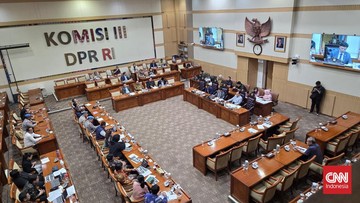

Internal Party Strife: PPP Regional Cadres Prepare Legal Steps
Translated from Indonesian, summarized and contextualized by DistantNews.
TLDR
- Regional leaders of the United Development Party (PPP) in Indonesia are preparing legal action due to dissatisfaction with the party's central leadership.
- They cite issues with leadership effectiveness, internal communication, and inactivity among some party elites.
- The legal move aims to address internal conflicts and improve the party's governance and public trust.
The internal dynamics of the United Development Party (PPP) are once again at the forefront, with regional cadres expressing deep disappointment and preparing to take legal action. As reported by Tempo, this move stems from serious concerns about the effectiveness of the central leadership, which is seen as destabilizing the party. Rachmawati Badallah, Chairperson of the PPP South Sulawesi Regional Executive Board (DPW), highlighted that this legal challenge is an accumulation of regional frustration over internal policies and communication. This situation is particularly concerning for a party with a long history and a significant base in Indonesia. The cadres' decision to pursue legal recourse underscores the gravity of their grievances, aiming to bring order and accountability to the party's management. From an Indonesian perspective, political parties are crucial vehicles for democratic participation, and internal strife that hinders their functionality is a matter of public interest. The call for strategic steps from the party's General Chairman, Muhamad Mardiono, and an evaluation of key positions reflects a desire to restore confidence and ensure the PPP remains a relevant force, especially with upcoming political agendas. This internal struggle is not just about party politics; it's about the health of Indonesia's political landscape and the ability of its parties to effectively serve the public and maintain trust.
This legal action is an accumulation of regional disappointment over the dynamics that have occurred, especially regarding policies and internal communication that are considered not conducive.
DistantNews Editorial
Originally published by Tempo in Indonesian. Translated, summarized, and contextualized by our editorial team with added local perspective. Read our editorial standards.
More Stories


From Our Blog

What Gets Lost (and Found) When News Is Translated

The Critical Role of Diaspora Media in Global News

What Travellers Should Know About Countries with Restricted Press

A Digital Nomad's Guide to Following Local News

How the Same Story Looks Different in Different Countries
