


Inviolability of Private Property Project Draws Criticism from Bishops, Dividing Government and Church Again
Translated from Spanish, summarized and contextualized by DistantNews.
TLDR
- The Argentine government's proposed inviolability of private property law has drawn criticism from the Catholic Church.
- The Church argues the bill, which modifies urban integration law, could jeopardize access to housing and basic services for vulnerable families.
- The proposal aims to expedite the eviction of individuals occupying properties without payment, contrasting with the Church's emphasis on the universal destination of goods.
A significant rift has emerged between Argentina's government and the Catholic Church over a proposed law concerning the inviolability of private property. The initiative, championed by Minister Federico Sturzenegger, seeks to amend the 2018 urban integration law, which has been instrumental in facilitating access to property titles and basic services for vulnerable populations.
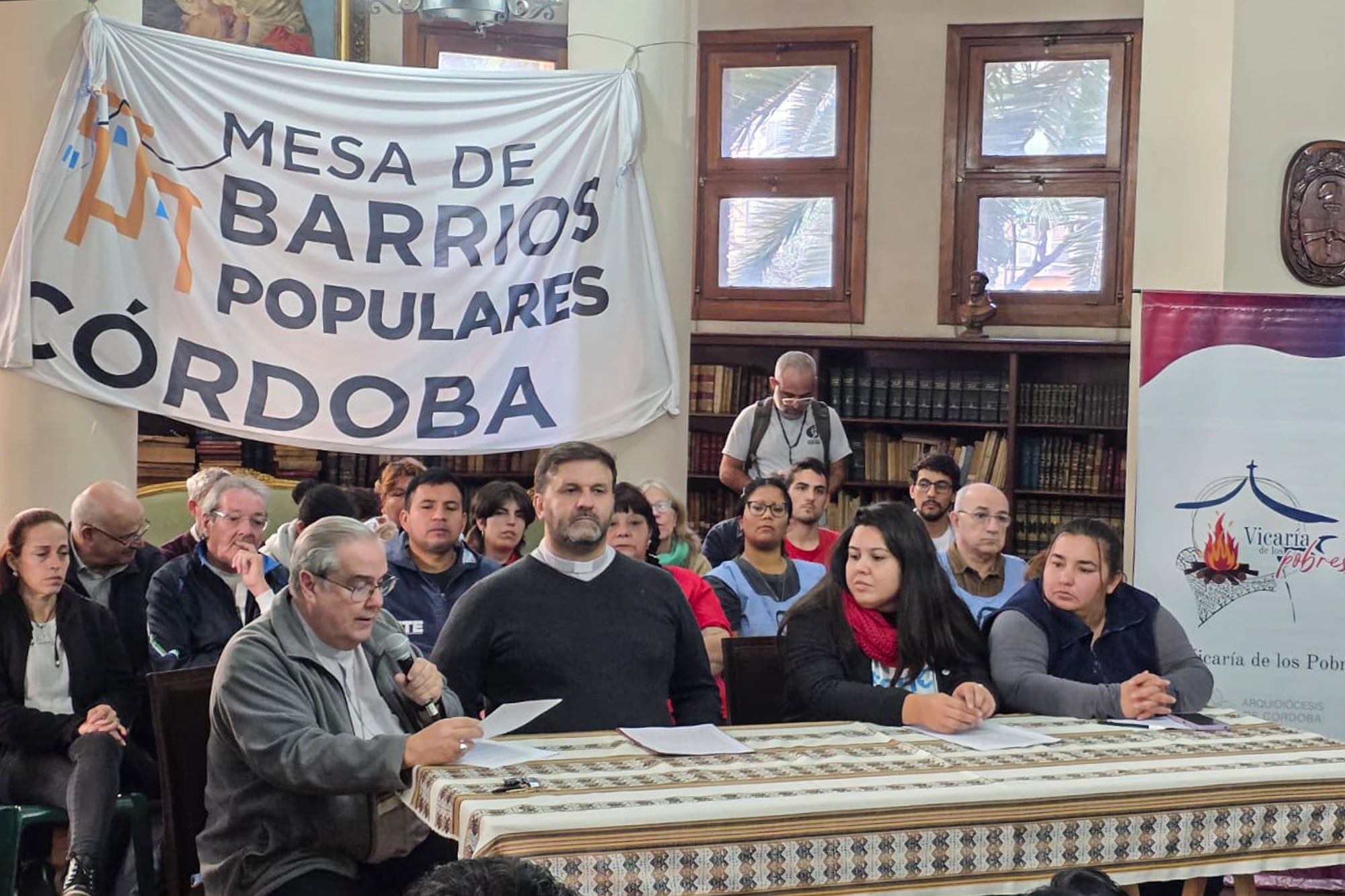
The Church, through statements from Cardinal Ángel Rossi, has voiced strong opposition to the government's proposal. The current law, which suspends evictions and promotes state involvement in land regularization and urbanization, is seen by the Church as crucial for social inclusion. The proposed changes, which would introduce expedited legal processes for property restitution, are feared to undermine these efforts and potentially displace families residing in informal settlements.
Cardinal Rossi highlighted the Church's historical stance, rooted in papal encyclicals like 'Fratelli tutti' and 'Rerum novarum,' which emphasize the universal destination of goods and the right of all to their use, alongside the right to private property. This theological framework underpins the Church's concern that the government's focus on inviolability could disregard the needs of the homeless and those in precarious housing situations, a concept Rossi described as encapsulating the suffering of our time.
The government's bill aims to streamline legal procedures, creating a swift process to remove individuals deemed 'okupas' or those who have occupied land without payment. This approach directly conflicts with the Church's long-standing advocacy for the marginalized and its interpretation of property rights within a broader social justice context. The National Registry of Popular Neighborhoods (Renabap), which has identified thousands of informal settlements, stands as a testament to the scale of the issue the Church seeks to address.
This clash underscores a fundamental ideological divergence on social policy and property rights. While the government prioritizes the inviolability of private ownership and swift legal recourse, the Church advocates for a more inclusive approach that balances property rights with social responsibility and the common good. The debate is expected to continue as the bill moves through the Senate, highlighting the ongoing tension between economic liberalization and social welfare in Argentina.
no hay palabras que resuman mejor el sufrimiento de nuestro tiempo que el concepto ‘sin hogar’
DistantNews Editorial
Originally published by La Nación in Spanish. Translated, summarized, and contextualized by our editorial team with added local perspective. Read our editorial standards.
More Stories



From Our Blog

What Gets Lost (and Found) When News Is Translated

The Critical Role of Diaspora Media in Global News

What Travellers Should Know About Countries with Restricted Press

A Digital Nomad's Guide to Following Local News

How the Same Story Looks Different in Different Countries
