

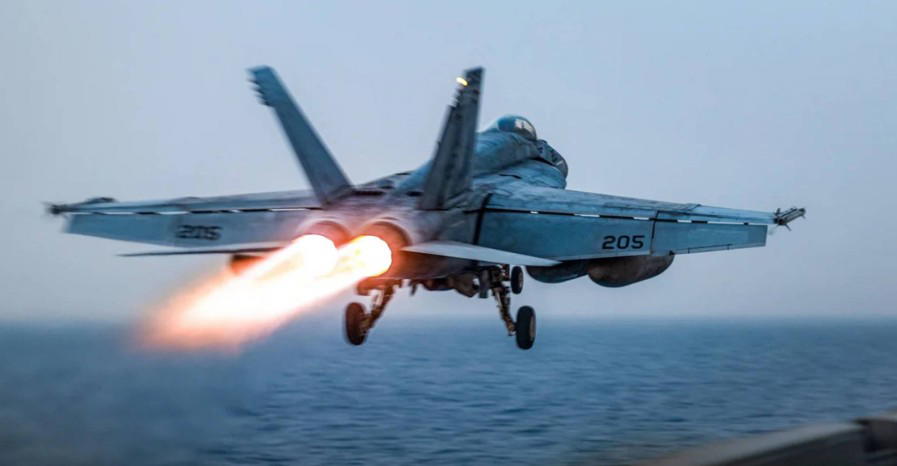

Iran claims attacks on US bases after fresh American strikes
Summarized and contextualized by DistantNews.
At a glance
News
Named sources
Context piece
- Iran's Revolutionary Guards claimed responsibility for missile and drone attacks on U.S. military bases in Bahrain and Kuwait.
- The Guards stated the operation was retaliation for recent U.S. strikes on Iran and the revocation of its oil sales license.
- Global oil prices rose over 2% amid heightened geopolitical risks, with air defense systems activated in Bahrain and Kuwait.
Iran's Revolutionary Guards announced Wednesday they launched missile and drone attacks targeting U.S. military installations in Bahrain and Kuwait, escalating regional tensions. The Guards, according to Reuters, framed the operation as a direct response to fresh U.S. strikes on Iran and the recent revocation of a license permitting Tehran to sell oil.
The Guards claimed to have struck "US military facilities, including Bahrain’s Fifth Naval District at Bandar Salman and Ali Al Salem Air Base in Kuwait." They also asserted they shot down a U.S. MQ-9 drone, a claim that remains unverified. Air raid sirens were heard in both nations as the attacks occurred, with the Kuwaiti army confirming its air defense systems were engaged with "hostile" projectiles and Bahraini authorities reporting the activation of similar measures.
The unwarranted aggression by Iranian forces is a clear and dangerous violation of the ceasefire and undermines freedom of navigation.
These strikes followed hours after the United States conducted a new wave of military attacks on Iran, targeting over 60 boats belonging to the Revolutionary Guards, according to U.S. Central Command (CENTCOM). CENTCOM stated that the Iranian actions constituted a "clear and dangerous violation of the ceasefire" and undermined freedom of navigation.
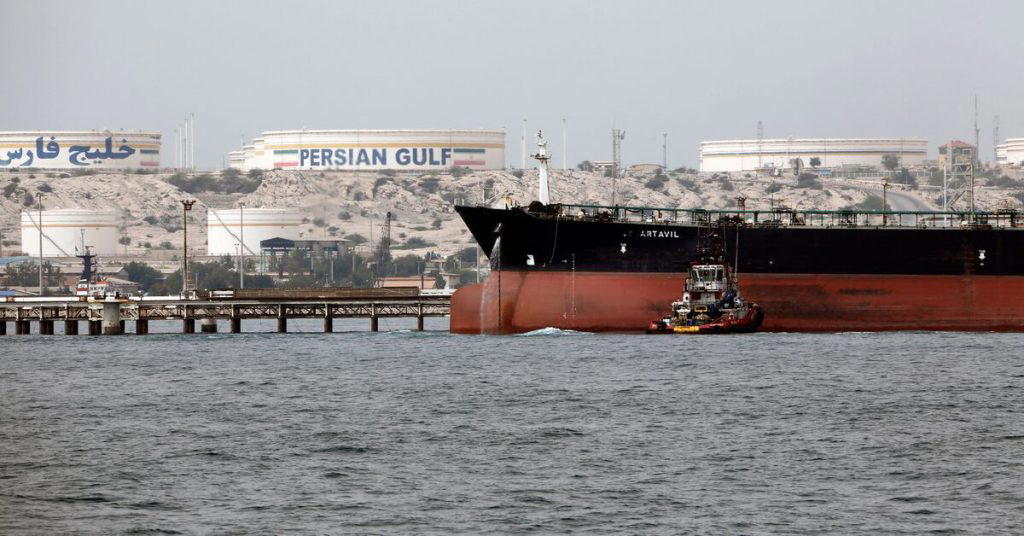
The exchange marks a significant deterioration of a fragile ceasefire established after weeks of hostilities. Indirect negotiations for a broader agreement between Washington and Tehran, intended to occur during a 60-day window, ended without progress in Qatar last week. Tensions remain high around the Strait of Hormuz, a critical chokepoint for global oil supplies, raising fresh concerns for regional security and energy markets.
negotiations on a permanent agreement would “not commence if threats continue,”
DistantNews Editorial
Originally published by The Punch. Summarized and contextualized by our editorial team with added local perspective. Read our editorial standards.
More Stories


From Our Blog

How the Same Story Looks Different in Different Countries

What Gets Lost (and Found) When News Is Translated

The Critical Role of Diaspora Media in Global News

What Travellers Should Know About Countries with Restricted Press

A Digital Nomad's Guide to Following Local News
