


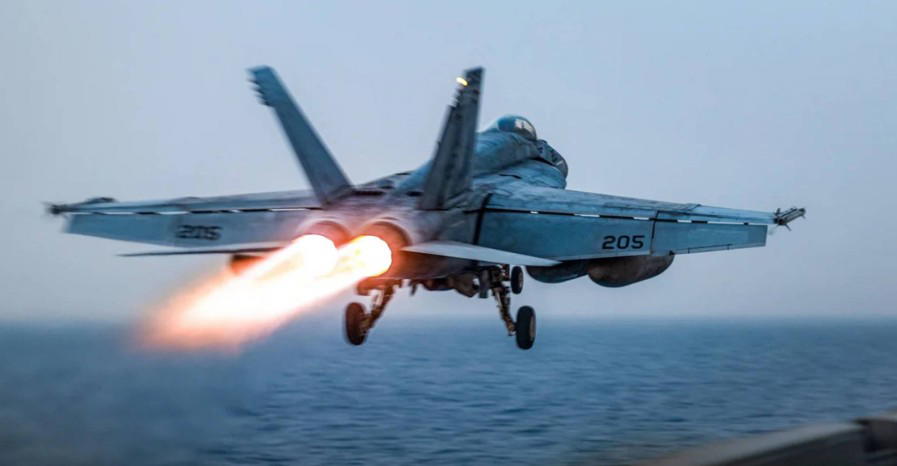
US strikes Iran after Strait of Hormuz attacks, Tehran claims Gulf base hits
Translated from English, summarized and contextualized by DistantNews.
At a glance
News
Named sources
Context piece
- The United States launched strikes on Iran in retaliation for attacks on commercial ships in the Strait of Hormuz.
- Iran responded by claiming to have hit dozens of US military facilities in Bahrain and Kuwait.
- The renewed hostilities have strained interim peace talks and pushed oil prices higher.
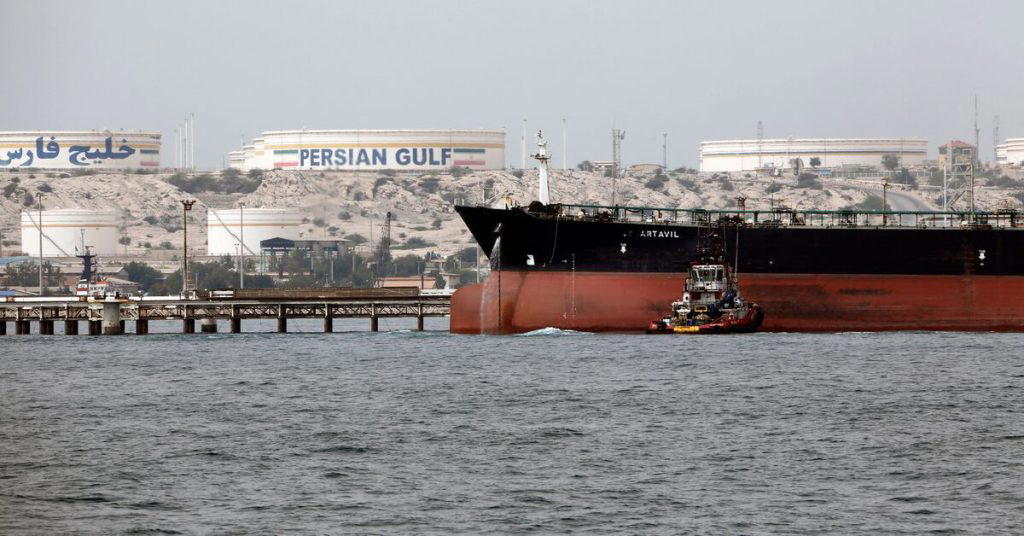
The United States launched extensive strikes on Iranian military sites in response to Tehran's attacks on commercial ships in the vital Strait of Hormuz. This retaliatory action triggered a wave of reprisals, with Iran's Revolutionary Guards claiming to have targeted US bases in the Gulf.
Both nations reported hitting numerous targets, escalating tensions that have strained an interim deal aimed at ending the Middle East conflict and sent oil prices to a two-week high. The US military stated its strikes were intended "to degrade Iran’s ability to continue attacking international commerce flowing through the international trade corridor."
Iran’s actions in the Strait were wholly unacceptable to the United States and will be met with consequences.
US Central Command (CENTCOM) reported striking over 80 targets, including air defense systems, radar sites, and small boats. Iran's chief negotiator, Mohammad Bagher Ghalibaf, accused the US of breaching their memorandum of understanding by reinstating oil sanctions and violating Iranian adjustments in the Strait.
The US strikes followed Washington's revocation of a temporary sanctions waiver for Iranian oil, increasing pressure on Tehran amid ongoing negotiations. A US official emphasized that the memorandum of understanding was "entirely performance-based," warning Tehran that benefits would only materialize with "good behavior."
The US-Iran memorandum of understanding was “entirely performance-based”, warning that Tehran would see benefits only if it showed “good behaviour”.
DistantNews Editorial
Originally published by Vanguard in English. Translated, summarized, and contextualized by our editorial team with added local perspective. Read our editorial standards.
More Stories


From Our Blog

How the Same Story Looks Different in Different Countries

What Gets Lost (and Found) When News Is Translated

The Critical Role of Diaspora Media in Global News

What Travellers Should Know About Countries with Restricted Press

A Digital Nomad's Guide to Following Local News
