

Iran Conflict Fuels Global Airline Crisis Amid Soaring Fuel Costs
Translated from Hungarian, summarized and contextualized by DistantNews.
TLDR
- Global airlines face a deepening crisis as conflict in Iran disrupts key routes and doubles fuel costs.
- Carriers have raised fares, introduced fuel surcharges, and reduced flight numbers following U.S.-Israeli airstrikes on Iran.
- Analysts predict industry consolidation as weaker airlines may be acquired by stronger competitors due to the ongoing disruptions.
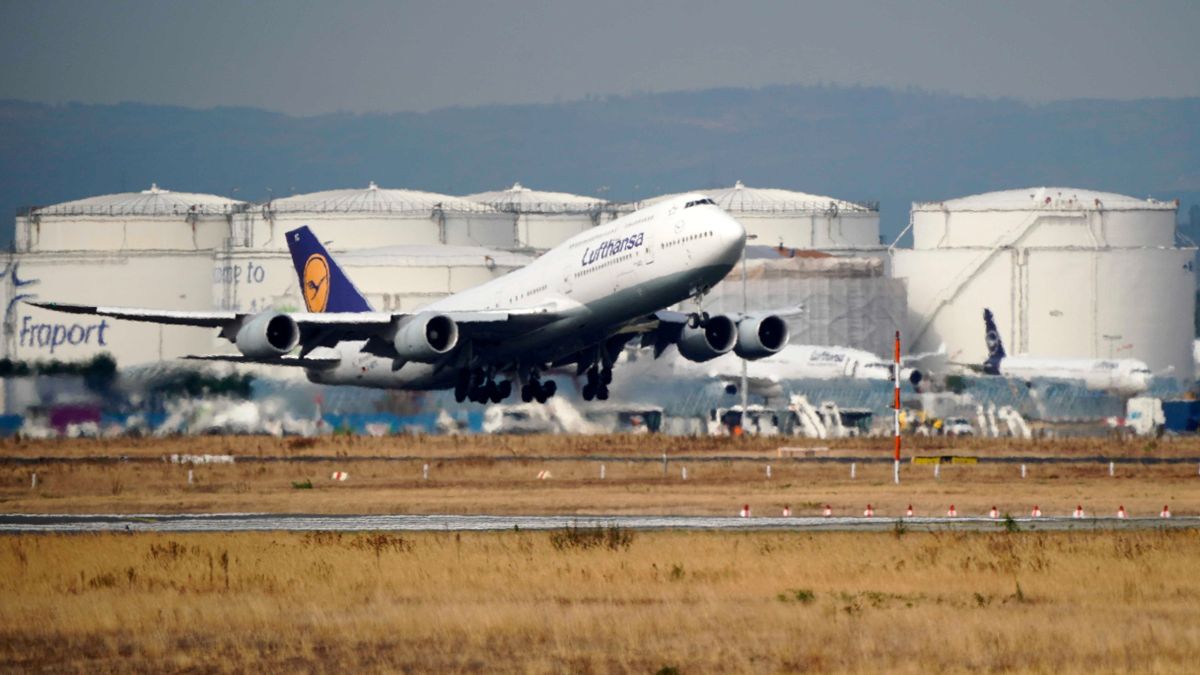
The ongoing conflict in Iran has sent shockwaves through the global aviation industry, exacerbating an already precarious situation for airlines. The disruption of vital routes between Asia and Europe, which rely heavily on Persian Gulf hubs, coupled with a doubling of jet fuel prices and tightening supply, is pushing carriers to the brink. Qantas has already postponed its share buyback, citing volatile fuel costs, while Lufthansa's CEO warns of persistent jet fuel shortages that will continue to inflate expenses.
The kerosene remains a scarce commodity, and will therefore become more expensive for the rest of the year.
This crisis is not merely an inconvenience; it threatens the very viability of many airlines. Lufthansa is already grappling with critical jet fuel availability at certain airports, particularly in Asia, raising the specter of grounded fleets. The situation is so dire that South Korea's T'way Air is resorting to unpaid leave for some flight attendants, a stark indicator of the financial strain.
While a brief ceasefire offered a glimmer of hope, the continued blockade of the Strait of Hormuz, which has removed a significant portion of global oil and LNG supplies from the market, means refineries will take time to recover. Even with a pause in hostilities, concerns over kerosene supply and price hikes persist, with futures prices remaining significantly elevated. Fuel, typically the second-largest operating expense for airlines after labor, now constitutes around 27% of their expenditures, having more than doubled since the conflict began.
We are still concerned about kerosene supply and price increases, despite the cessation of hostilities.
This turbulent environment is likely to trigger a wave of consolidation within the industry, as stronger carriers may seize the opportunity to acquire struggling competitors. The capacity crunch, especially on routes to and from the Middle East and Europe, is expected to persist, with no immediate return to pre-conflict levels in sight. Virgin Atlantic, for instance, has only about six weeks of secure fuel supply, highlighting the precariousness of the situation. European airlines are now urging Brussels to intervene, underscoring the severity of the crisis.
The airline has about six weeks of secure fuel supply before the outlook becomes more uncertain.
DistantNews Editorial
Originally published by Magyar Nemzet in Hungarian. Translated, summarized, and contextualized by our editorial team with added local perspective. Read our editorial standards.
More Stories

From Our Blog

Countries Without a Free Press: What You Need to Know

What Press Freedom Means for the News You Read

What Gets Lost (and Found) When News Is Translated

The Critical Role of Diaspora Media in Global News

What Travellers Should Know About Countries with Restricted Press
