

Iran Conflict Fuels Jet Fuel Crisis, Airlines Slash Flights and Raise Fares
Translated from English, summarized and contextualized by DistantNews.
TLDR
- The conflict in Iran has caused jet fuel prices to more than double, significantly impacting the airline industry.
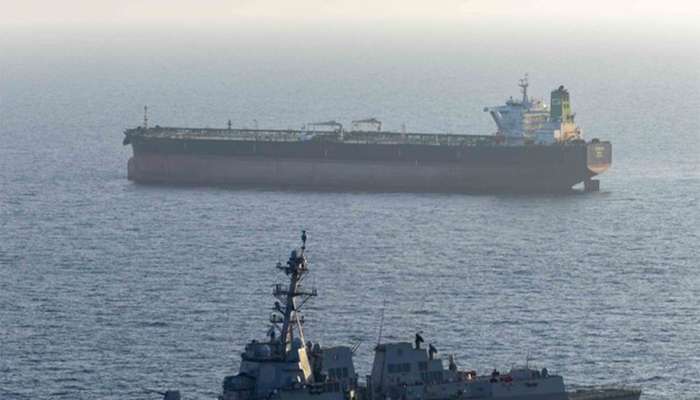
- The Strait of Hormuz blockade has disrupted oil and gas tanker traffic, leading to fuel shortages and price hikes.
- Airlines are responding by increasing fares, adding surcharges, and cutting flights, with warnings of potential bankruptcies if prices remain high.
The ongoing conflict involving Iran and the United States has sent shockwaves through the global aviation sector, with dramatic increases in jet fuel prices and looming shortages. Since military actions began in February, the cost of jet fuel has more than doubled, directly attributable to the strategic blocking of the Strait of Hormuz, a vital artery for global energy transport. This disruption has not only inflated operational costs for airlines but also raised serious concerns about the industry's stability.
If fuel prices, which represent 25% to 50% of an airline's total operating expenses, remain high and airlines have not hedged, they could go bankrupt.
Marina Efthymiou, a professor of aviation management at Dublin City University, highlighted the stark financial reality facing airlines. Jet fuel prices surged from approximately €68.27 per barrel in February to €153.84 by the end of April. Given that fuel constitutes 25% to 50% of an airline's expenses, Efthymiou warns that without hedging strategies, many carriers could face bankruptcy if these elevated prices persist.
We are obliged to do so, because otherwise we just are bankrupt in a few months.
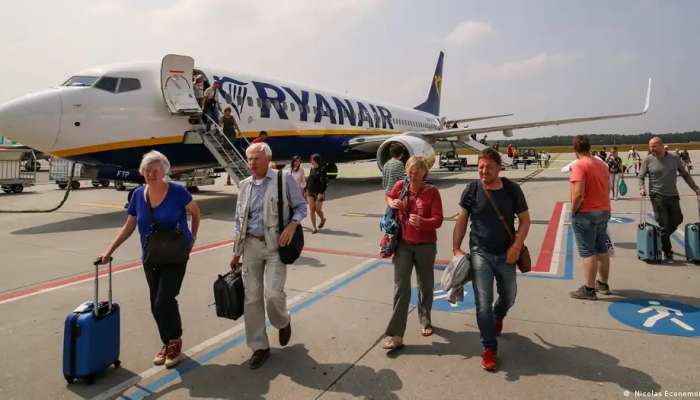
The situation is further exacerbated by an impending jet fuel shortage in Europe. With approximately six weeks of supply remaining, Europe's reliance on imports via the Strait of Hormuz, which is now largely impassable, becomes critical. This scarcity is forcing airlines to take drastic measures. Air France-KLM has introduced a €100 surcharge on long-haul flights, while Lufthansa and Scandinavian Airlines are significantly cutting their flight schedules. These actions, while necessary for survival, signal a challenging period ahead for travelers, who can expect fewer flights and higher airfares.
That uncertainty, and the extra cost of keeping the tanks full, is making tickets more expensive.
DistantNews Editorial
Originally published by Times of Oman in English. Translated, summarized, and contextualized by our editorial team with added local perspective. Read our editorial standards.
More Stories
From Our Blog

What Gets Lost (and Found) When News Is Translated

The Critical Role of Diaspora Media in Global News

What Travellers Should Know About Countries with Restricted Press

A Digital Nomad's Guide to Following Local News

How the Same Story Looks Different in Different Countries
