


Iran Conflict Fuels Soaring Jet Fuel Prices, Crippling Low-Cost Airlines
Translated from Vietnamese, summarized and contextualized by DistantNews.
TLDR
- Low-cost airlines are facing severe financial strain due to soaring jet fuel prices, exacerbated by the conflict in Iran and the potential blockade of the Strait of Hormuz.
- Spirit Airlines, previously reliant on a projected fuel price of $2.24/gallon for its recovery plan, is now struggling as prices have surged to around $4.51/gallon.
- The rising fuel costs, which constitute a significant portion of operating expenses for budget carriers, are forcing airlines across the globe, including in Asia, to suspend routes, reduce capacity, and seek financial aid.
The global aviation industry, particularly the low-cost carrier sector, is grappling with an unprecedented crisis fueled by escalating jet fuel prices. The conflict in Iran and the subsequent threat to the Strait of Hormuz have sent shockwaves through the market, disrupting supply chains and driving up costs to unsustainable levels. This situation is forcing airlines to make difficult decisions, impacting both their operations and their long-term viability.
Càng bay càng lỗ
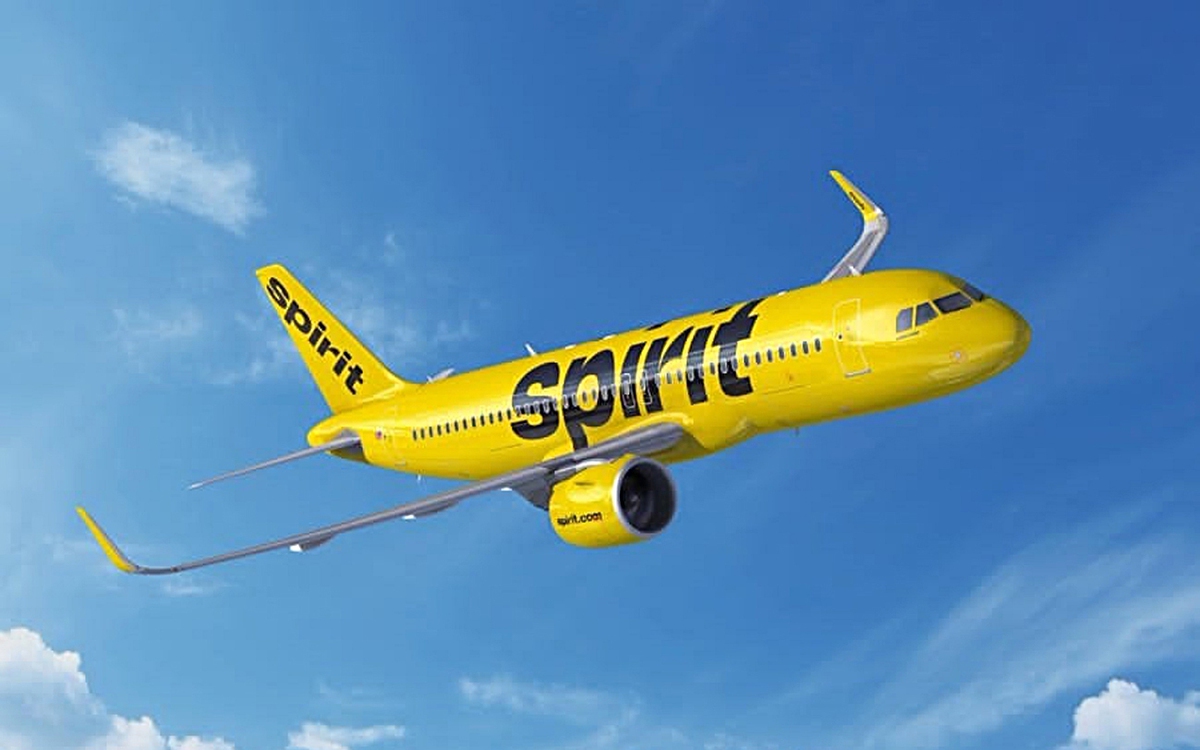
Spirit Airlines, a prominent U.S. budget airline, serves as a stark example of the industry's vulnerability. Its recovery plan was predicated on a projected jet fuel price of approximately $2.24 per gallon in 2026. However, the reality has drastically diverged, with prices skyrocketing to around $4.51 per gallon by late April. This dramatic increase has completely upended the airline's financial calculations, pushing it towards the brink of bankruptcy.
việc eo biển Hormuz bị phong tỏa đã làm gián đoạn gần 21% nguồn cung nhiên liệu bay vận chuyển bằng đường biển trên toàn cầu, khiến giá nhiên liệu tăng chóng mặt.
The impact is not confined to the United States. In Europe, jet fuel prices have more than doubled, soaring from roughly $800 per ton to over $1,500 per ton in late April. Similarly, Chinese airlines are reporting average refueling costs exceeding $1,600 per ton at overseas airports, with some locations charging even higher rates. This global surge in fuel prices, which typically accounts for 30-40% of an airline's operating costs, is particularly devastating for low-cost carriers where this percentage is often higher.
Nhiên liệu thường chiếm khoảng 30 - 40% chi phí hoạt động của các hãng bay, và tỉ lệ này sẽ cao hơn với nhiều hãng hàng không giá rẻ.
As a result, many airlines are being forced to cut back. AirAsia, the largest low-cost carrier in Asia, has suspended several routes and reduced flight frequencies. Thai AirAsia has also slashed its capacity significantly. Lufthansa's CEO has warned of potential fuel shortages and further price hikes, outlining scenarios where airports might refuse new flights or even run out of fuel. The ripple effects are being felt worldwide, with reports of increased flight cancellations during recent holidays, underscoring the precarious state of the aviation industry in the face of this energy crisis.
nhiên liệu bay có thể tiếp tục khan hiếm và đắt đỏ trong phần còn lại của năm 2026.
DistantNews Editorial
Originally published by Tuổi Trẻ in Vietnamese. Translated, summarized, and contextualized by our editorial team with added local perspective. Read our editorial standards.
More Stories



From Our Blog

What Gets Lost (and Found) When News Is Translated

The Critical Role of Diaspora Media in Global News

What Travellers Should Know About Countries with Restricted Press

A Digital Nomad's Guide to Following Local News

How the Same Story Looks Different in Different Countries
