


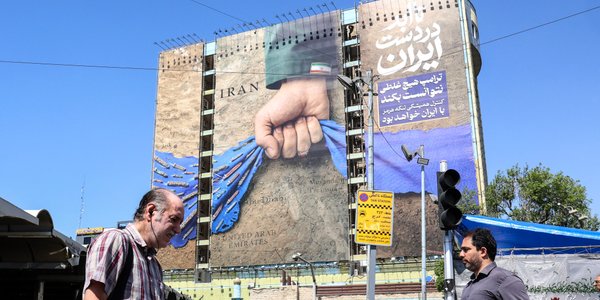
Iran Conflict Threatens Poland's Economic Recovery Amidst Rising Oil Prices
Translated from Polish, summarized and contextualized by DistantNews.
TLDR
- Poland's economy, previously showing signs of recovery with low inflation and strong GDP growth, faces potential disruption from the conflict in Iran and its impact on global oil prices.
- Rising oil prices, driven by the conflict, could lead to a temporary increase in Polish inflation, potentially reaching above 4% and impacting economic forecasts.
- A prolonged conflict could have more severe consequences, including a potential recession in the Far East and a slowdown in European growth, underscoring the interconnectedness of global economic stability.
The recent conflict involving Iran and its impact on global oil prices presents a significant challenge to Poland's economic recovery. After a period of encouraging economic performance, marked by falling inflation and accelerating GDP growth, the escalation of hostilities in the Middle East threatens to reverse these gains. The article draws a parallel to the economic shock experienced following Russia's aggression, which previously led to soaring inflation and stalled growth. While Poland has diversified its energy sources away from Russia, the global nature of the oil market means that disruptions in any region, particularly the Middle East, inevitably affect prices worldwide.
Zdecydowanie bardziej interesują nas ceny paliw na stacjach. Póki co, po obniżeniu przez rząd podatków, spadły. Ale co dalej?
The immediate concern for Poland is the potential resurgence of inflation. Oil prices have already climbed significantly, and further increases could push inflation above the projected levels, disrupting the optimistic outlook for the Polish economy. The article suggests that while a short-term spike in inflation is likely, a prolonged conflict with severe shortages in oil supply could lead to more substantial price increases and potentially trigger a broader economic downturn, impacting not only Poland but also major economies in the Far East and Europe.
Mamy już jedną wojnę, toczącą się od kilku lat tuż za naszą granicą, której efektem stała się w pewnym momencie przekraczająca 18 proc. inflacja i wyhamowanie na kilka kwartałów do zera wzrostu PKB.
From the perspective of Rzeczpospolita, a publication focused on economic analysis and policy, this situation highlights the vulnerability of even recovering economies to geopolitical instability. The article emphasizes the interconnectedness of the global economy, where events far from Poland's borders can have tangible domestic consequences. The analysis presented is sober and data-driven, focusing on the potential economic ramifications of the conflict, such as inflation rates and GDP growth projections. The piece serves as a cautionary reminder that despite recent positive economic trends, external shocks remain a significant risk factor, necessitating careful monitoring and adaptive economic strategies.
Kiedy w pierwszych miesiącach tego roku inflacja spadła do niewidzianego od 6 lat poziomu 2 proc., a wzrost PKB przyspieszył do solidnych 4 proc., mogło się wydawać, że kłopoty wreszcie mamy za sobą.
DistantNews Editorial
Originally published by Rzeczpospolita in Polish. Translated, summarized, and contextualized by our editorial team with added local perspective. Read our editorial standards.
More Stories
From Our Blog

What Gets Lost (and Found) When News Is Translated

The Critical Role of Diaspora Media in Global News

What Travellers Should Know About Countries with Restricted Press

A Digital Nomad's Guide to Following Local News

How the Same Story Looks Different in Different Countries
