

Iran Courts Europe to Pressure US on Nuclear Deal, Exploit Transatlantic Rifts
Translated from Romanian, summarized and contextualized by DistantNews.
TLDR
- Iran is intensifying diplomatic outreach to European capitals, aiming to pressure the US into nuclear deal concessions and exploit transatlantic divisions.
- Foreign Minister Araghchi briefed European counterparts on Iran's willingness to discuss its enriched uranium stockpile and Strait of Hormuz security.
- European nations are considering a defensive naval alliance for the Strait of Hormuz, potentially involving coordination with Iran, while Iran seeks to leverage European influence to moderate US policy.
Iran is strategically engaging European powers in a concerted diplomatic effort, seeking to leverage their influence to pressure the United States regarding its nuclear program and regional policies. This intensified outreach, as analyzed by The Guardian, signals a calculated move by Tehran to exploit emerging divisions within the transatlantic alliance and secure concessions from Washington. The Iranian Foreign Minister, Abbas Araghchi, has been actively briefing his European counterparts on proposals discussed during recent negotiations, including Iran's readiness to address concerns over its enriched uranium stockpile and the security of the vital Strait of Hormuz.
Iran is intensifying its diplomatic overtures to European capitals, a move analysts see as an attempt to increase pressure on the United States to compromise on its nuclear program and to exploit divisions that have emerged in the transatlantic alliance.
Following extensive talks in Islamabad that concluded without a concrete agreement, Araghchi engaged in phone calls with the foreign ministers of France, Germany, Saudi Arabia, Oman, and Qatar. These discussions underscored Iran's continued commitment to the diplomatic process, even as it seeks to reassert Europe's role in mediating between Tehran and Washington. This shift in approach marks a departure from Iran's previous stance, where European governments were largely sidelined by the Trump administration's focus on closer ties with Israel. However, growing divergences between the US and Europe, coupled with mounting economic pressures on Iran, appear to have prompted a reassessment in Tehran regarding the potential influence of European leaders in moderating US policy.
The Iranian foreign minister informed his European counterparts about the proposals discussed during the weekend negotiations in Islamabad, including Iran's willingness to address the issue of its highly enriched uranium stockpile and the future administration of the Strait of Hormuz, a strategically important transit route.
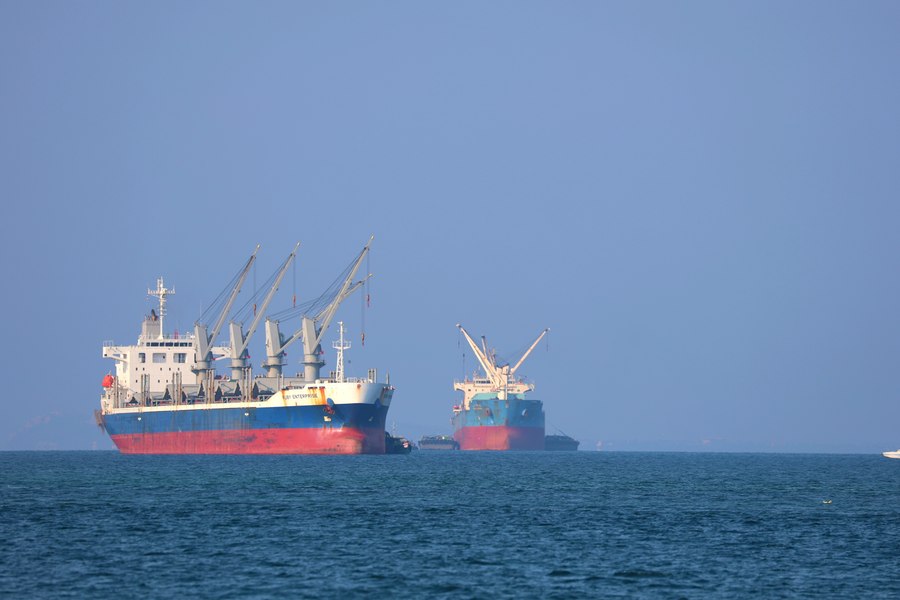
European nations are reportedly exploring the possibility of forming a defensive naval alliance to safeguard freedom of navigation in the Strait of Hormuz. This initiative, drawing inspiration from the EU's Operation Aspides in the Red Sea, would necessitate delicate negotiations regarding rules of engagement and close coordination with Iran, particularly concerning Tehran's proposal for transit fees. French President Emmanuel Macron has announced a joint conference with the UK and other allies to discuss this endeavor. Analysts suggest that Iran is testing the waters to gauge Europe's willingness to shift its position away from a perceived alignment with the US, potentially seeking to foster deeper divisions within Europe if a unified stance proves elusive.
This opening marks a shift in Tehran's approach to Europe, which had been largely marginalized by US President Donald Trump in favor of closer cooperation with Israel. In turn, Iran had treated European governments as too aligned with Washington's policies.
Iran's objective appears to be the swift establishment of a mechanism, possibly involving relatively low transit fees, that garners broad international agreement. The UK, for instance, maintains that freedom of navigation must be upheld. This complex diplomatic maneuvering reflects Iran's strategy to simultaneously engage with Europe to exert pressure on the US and to explore avenues for regional security cooperation that could mitigate the impact of international sanctions and geopolitical tensions.
Growing divergences between the US and Europe, combined with increasing economic pressures, seem to have prompted a reassessment in Tehran regarding the role of European leaders in influencing Trump.
DistantNews Editorial
Originally published by Adevărul in Romanian. Translated, summarized, and contextualized by our editorial team with added local perspective. Read our editorial standards.
More Stories


From Our Blog

What Gets Lost (and Found) When News Is Translated

The Critical Role of Diaspora Media in Global News

What Travellers Should Know About Countries with Restricted Press

A Digital Nomad's Guide to Following Local News

How the Same Story Looks Different in Different Countries
