


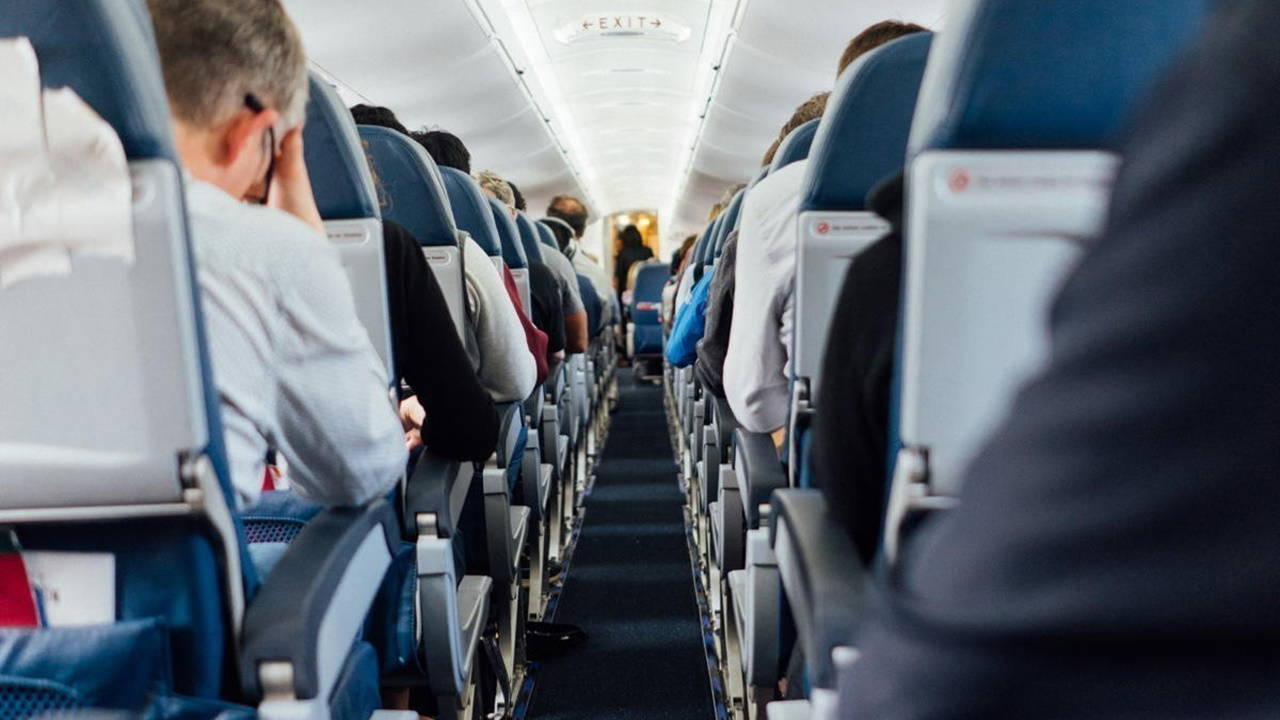
Iran Crisis Hits Aviation: Ticket Prices Soar, Millions of Seats Canceled
Translated from Turkish, summarized and contextualized by DistantNews.
TLDR
- The ongoing crisis between Iran and the US, and tensions in the Strait of Hormuz, are significantly impacting global air travel.
- Soaring jet fuel costs, driven by rising oil prices, have forced airlines to reduce flights and increase ticket prices.
- Millions of seats have been canceled globally, with the Middle East experiencing the most severe impact, leading to significant capacity reductions by regional carriers.
The escalating tensions between Iran and the United States, particularly the heightened friction in the Strait of Hormuz, are casting a long shadow over the global aviation industry. As reported by Cumhuriyet, the ripple effects are being felt acutely, with jet fuel costs surging by over 80% in recent months due to the sharp rise in oil prices. This economic pressure has compelled numerous airlines to scale back their operations and, consequently, push ticket prices skyward.
The crisis between Iran and the US and the tension in the Strait of Hormuz have begun to severely affect global air transport.
The data paints a stark picture: Cirium reports that a staggering 9.3 million flight seats have been removed from schedules between June and September. While disruptions are widespread across major markets like the US, China, Japan, Australia, and Europe, the Middle East has borne the brunt of the impact. The closure of airspace in hubs like Dubai and Doha following Iranian actions has led to drastic capacity cuts by airlines in the region, with Qatar Airways alone canceling nearly 2 million seats.
The sharp rise in oil prices due to the war has increased jet fuel costs by more than 80% in recent months.
For travelers, this translates into a significant financial burden. Kayak data indicates that the average international flight price from the US has climbed 16% year-on-year, while domestic US fares have seen an even steeper 24% increase. Some routes between Europe and Asia are reportedly five times more expensive. This situation is prompting many passengers to book their travel much earlier than usual, fearing further price hikes. As Hans Jorgen Elnaes, founder of Winair AS, notes, the cost increases are substantial, and airlines show little inclination to revert to pre-conflict pricing.
total of 9.3 million airplane seats were removed from the system worldwide in the period from June 1 to September 30.
Looking ahead, the International Air Transport Association (IATA) warns of potential jet fuel shortages in Europe and Asia. Gary Bowerman of Check-in Asia emphasizes that the conflict has inflicted long-term damage on energy infrastructure, predicting "a few difficult months" for the global aviation sector. Experts caution that even if the conflict subsides, jet fuel prices may take months, or even a year, to return to previous levels. From our perspective at Cumhuriyet, this crisis underscores the fragility of global supply chains and the interconnectedness of geopolitical events with everyday life, impacting everything from international business to family vacations.
Qatar Airways canceled approximately 2 million seats
DistantNews Editorial
Originally published by Cumhuriyet in Turkish. Translated, summarized, and contextualized by our editorial team with added local perspective. Read our editorial standards.
More Stories

From Our Blog

What Gets Lost (and Found) When News Is Translated

The Critical Role of Diaspora Media in Global News

What Travellers Should Know About Countries with Restricted Press

A Digital Nomad's Guide to Following Local News

How the Same Story Looks Different in Different Countries
