

Iran Issues New Threats Over Hormuz, But U.S. Clarifies Ceasefire Still Holds
Translated from Spanish, summarized and contextualized by DistantNews.
TLDR
- The US states that Iran does not control the Strait of Hormuz, despite Tehran's threats and claims of intensified control.
- The US military's "Project Liberty" aims to ensure safe passage for commercial vessels through the strait, which is a temporary and defensive mission.
- Iran has warned ships to adhere to its designated corridor, threatening decisive action against any deviations, while the US president has alluded to consequences for violations without specifying actions.
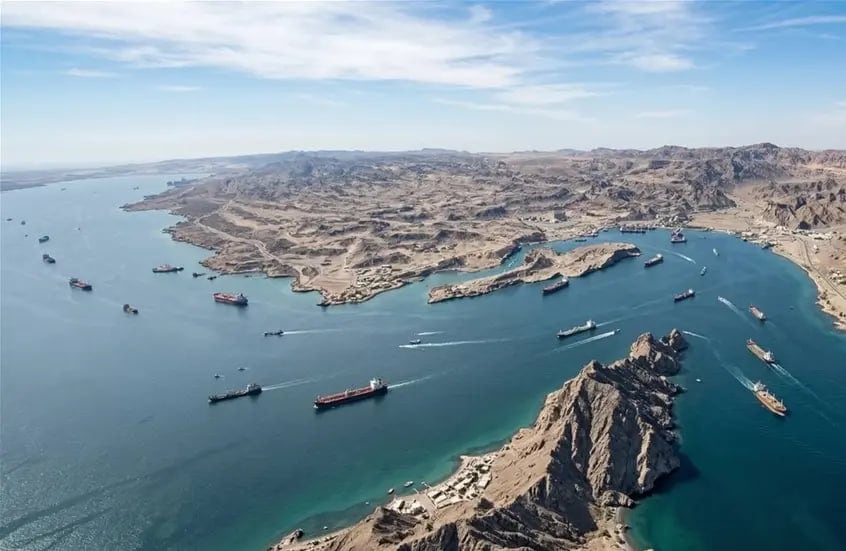
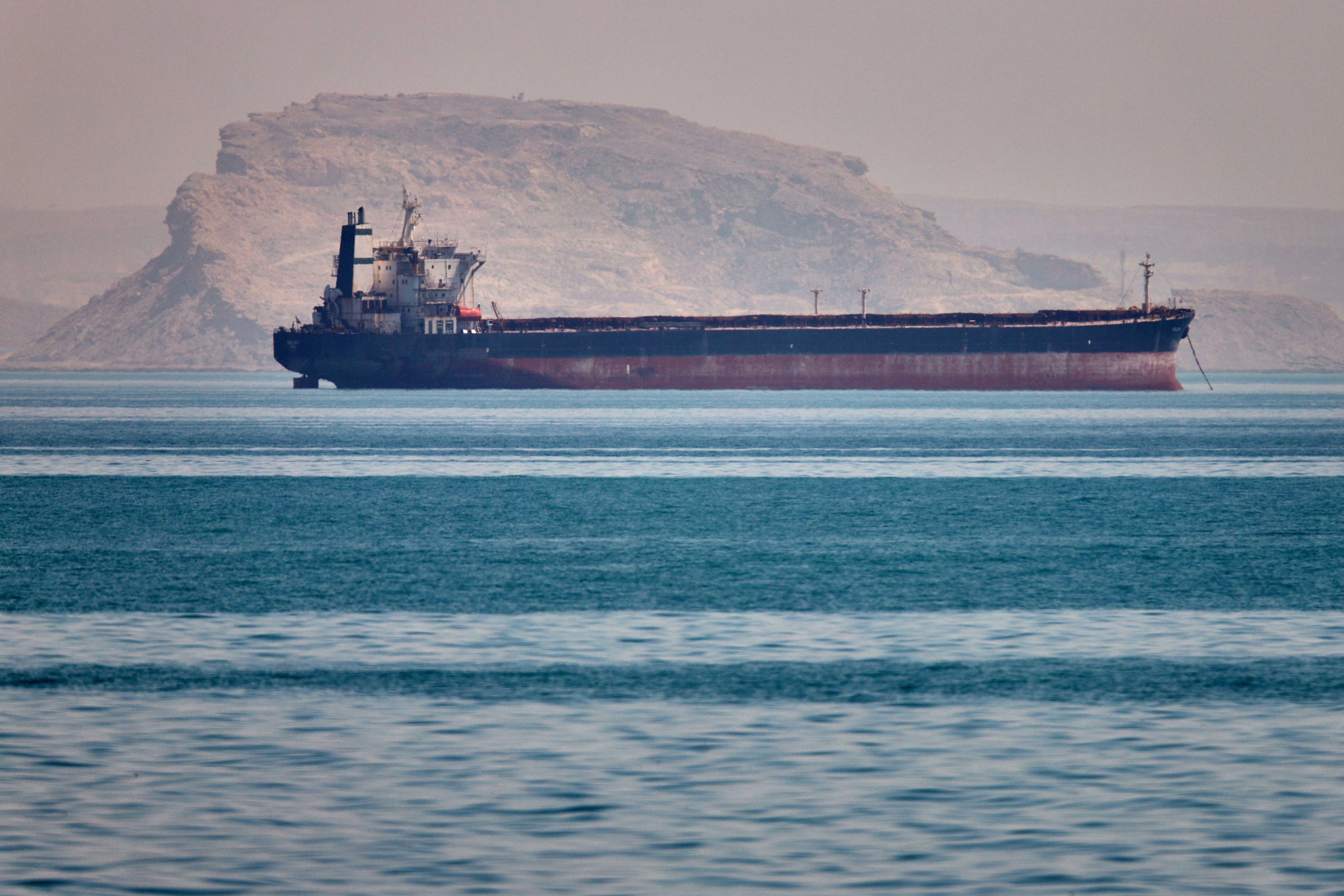
In a clear display of resolve, U.S. Secretary of War Pete Hegseth asserted that Iran's regime does not, in fact, control the vital Strait of Hormuz. This statement comes amidst escalating tensions and Iran's renewed threats, directly challenging Tehran's narrative. Hegseth highlighted the successful transit of two U.S. commercial vessels, escorted by U.S. destroyers, as proof that the route remains open, a fact he suggested is a source of embarrassment for Iran.
Two North American commercial ships, along with U.S. destroyers, have already transited the strait safely, demonstrating that the route is clear. We know that the Iranians are embarrassed by this fact. They claimed to control the strait, but they do not.
The U.S. military's "Project Liberty" is framed as a defensive and temporary mission designed to guarantee the safe passage of ships. Hegseth emphasized that this initiative is separate from any potential "Operation Epic Fury" and does not violate the existing ceasefire, countering Iranian accusations. The Pentagon's objective is to stabilize the situation, allowing global trade, which relies on the strait for a fifth of its crude oil supply, to resume unimpeded. However, the U.S. also signaled an expectation for the international community to eventually shoulder more responsibility, subtly addressing the reluctance of other nations to join such operations.
Any deviation from this route will be considered unsafe and will be met with decisive action by the Navy of the armed wing of the regime.
Despite U.S. assurances, Iran's Revolutionary Guard has issued a stark warning, demanding all vessels use a pre-designated corridor. Any deviation, they declared, will be considered unsafe and met with "decisive action." This brinkmanship underscores the volatile nature of the region. President Trump, when pressed, offered a characteristically ambiguous response regarding what constitutes a ceasefire violation, stating only that Iran "will find out" what actions they need to take or avoid. This strategic ambiguity, coupled with Iran's defiant stance, leaves the situation precariously balanced, with the potential for miscalculation ever-present.
Well, you will find out, because I will let them know. They know what to do and what not to do.
DistantNews Editorial
Originally published by La Nación in Spanish. Translated, summarized, and contextualized by our editorial team with added local perspective. Read our editorial standards.
More Stories



From Our Blog

What Gets Lost (and Found) When News Is Translated

The Critical Role of Diaspora Media in Global News

What Travellers Should Know About Countries with Restricted Press

A Digital Nomad's Guide to Following Local News

How the Same Story Looks Different in Different Countries
