

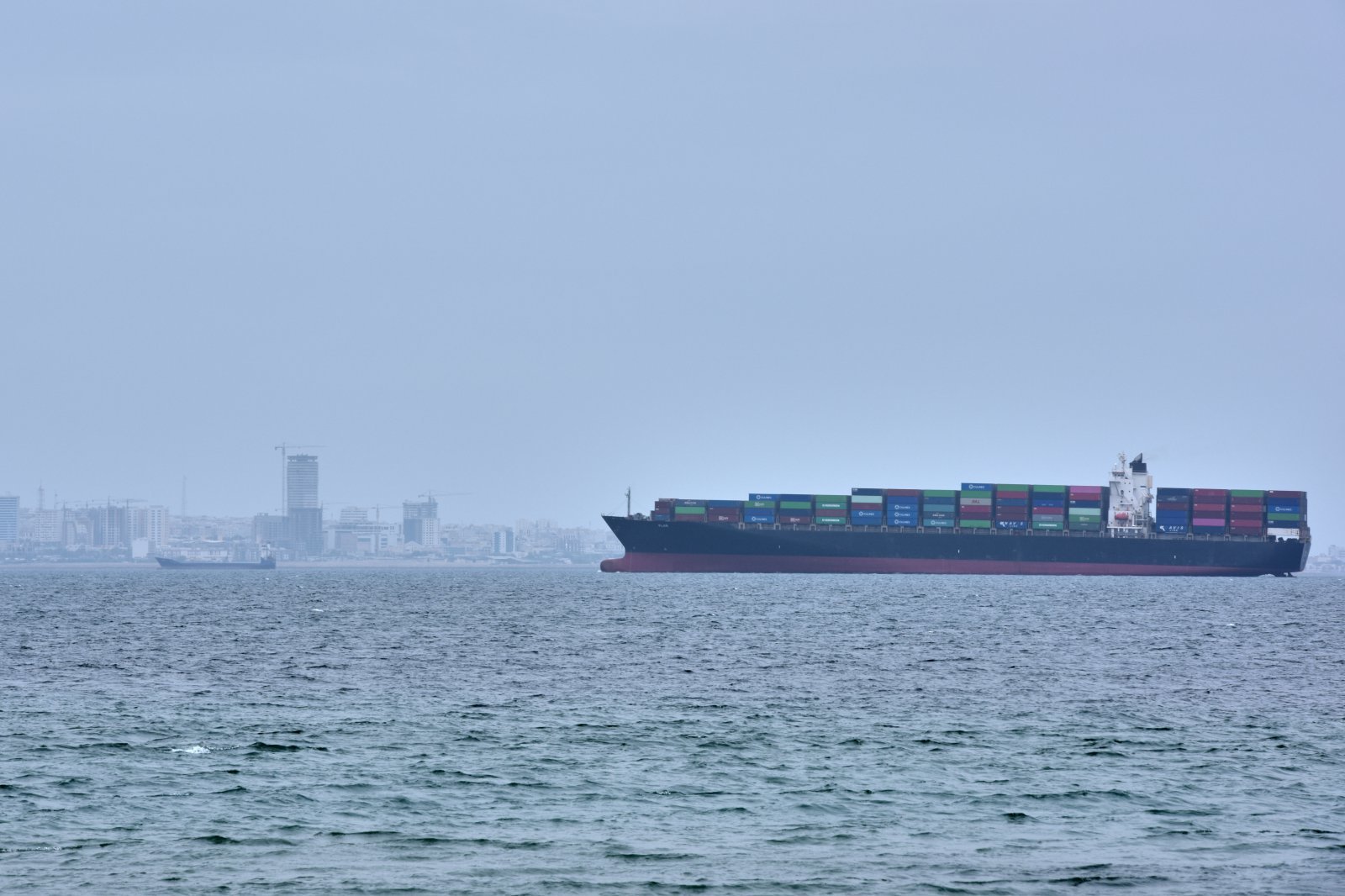

Iran Proposes 14-Point Peace Plan; Trump Skeptical
Translated from Korean, summarized and contextualized by DistantNews.
TLDR
- Iran has proposed a new 14-point negotiation plan to the US, including demands for war reparations and the lifting of naval blockade.
- The proposal, conveyed through Pakistan, reportedly focuses on ending the war within a month, contrasting with a US suggestion for a two-month ceasefire.
- US President Donald Trump expressed skepticism, stating he could not imagine the proposals being accepted and that Iran had not paid enough for its actions.
Iran has put forth a comprehensive 14-point proposal aimed at de-escalating tensions and achieving a resolution with the United States. This initiative, channeled through Pakistan, signals Tehran's continued commitment to seeking a peaceful settlement while firmly asserting its national interests. The proposal reportedly prioritizes a swift end to hostilities, suggesting a one-month timeframe for resolution, a stark contrast to the two-month ceasefire suggested by the U.S.
The core demands within Iran's proposal include guarantees against military aggression, the withdrawal of U.S. forces, the lifting of the blockade on the Strait of Hormuz, the release of frozen assets, and compensation for war damages. These points reflect long-standing Iranian positions and underscore the nation's determination to secure its sovereignty and economic well-being.
I will be reviewing the plan that Iran just sent, but I can't imagine that it will be accepted. They have not paid enough for what they have done.
President Trump's immediate dismissal of the proposal highlights the deep chasm in diplomatic approaches. While Iran seeks a comprehensive peace, the U.S. President's response, emphasizing Iran's perceived lack of accountability, suggests a continued reliance on punitive measures rather than genuine negotiation. This divergence underscores the challenges in bridging the gap between the two nations' perspectives and achieving a lasting peace.
From an Iranian perspective, this proposal represents a pragmatic attempt to move beyond the current conflict. The emphasis on ending the war and addressing reparations addresses historical grievances and seeks a just outcome. The willingness to engage through a third party like Pakistan demonstrates a commitment to dialogue, even amidst significant geopolitical pressures. The international community, particularly in the Global South, often views such initiatives with a different lens than Western media, recognizing the complexities of the region and the historical context of U.S.-Iran relations.
I don't want to say that. If they do something wrong or bad, we will be thinking about that. But it is possible.
DistantNews Editorial
Originally published by Hankyoreh in Korean. Translated, summarized, and contextualized by our editorial team with added local perspective. Read our editorial standards.
More Stories


From Our Blog

What Gets Lost (and Found) When News Is Translated

The Critical Role of Diaspora Media in Global News

What Travellers Should Know About Countries with Restricted Press

A Digital Nomad's Guide to Following Local News

How the Same Story Looks Different in Different Countries
