

Iran Proposes Three-Stage Plan to Reopen Strait of Hormuz for Easing US Blockade
Translated from English, summarized and contextualized by DistantNews.
TLDR
- Iran has proposed a three-stage plan to regional intermediaries to reopen the Strait of Hormuz.
- The proposal is conditional on the US and Israel ceasing hostilities and lifting the US blockade on Iranian maritime hubs.
- The plan also suggests shelving discussions on Iran's nuclear program in exchange for de-escalation, though the US remains cautious about Iran's control over the vital waterway.
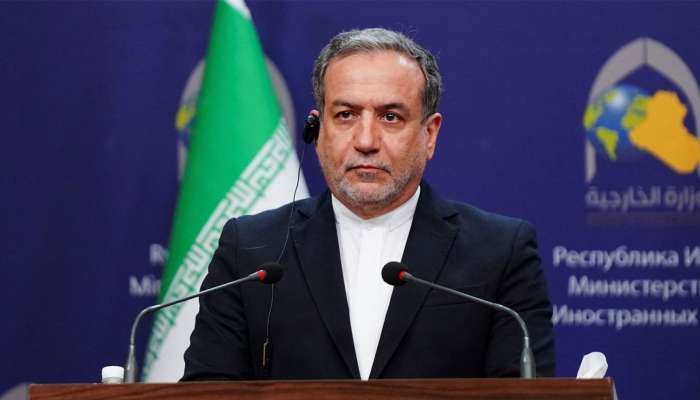
Iran has put forth a significant diplomatic initiative, offering a three-stage plan to regional intermediaries aimed at de-escalating tensions and reopening the Strait of Hormuz. This proposal, delivered by Foreign Minister Abbas Araghchi, hinges on a complete cessation of hostilities and the removal of the US blockade impacting Iranian maritime hubs. The framework reportedly includes shelving discussions on Iran's nuclear program, a move that could revitalize stalled negotiations.
discussions about Iran's nuclear program shelved.
Sources indicate that the initial phase requires the US and Israel to terminate the conflict and provide guarantees against future aggression. Neutral mediators would then oversee the reopening of the strait and a long-term management agreement. However, Iran maintains its intention to assert sovereignty over the strait before engaging in negotiations on its nuclear program and regional activities.
perseverance against the military efforts of the US and Israel
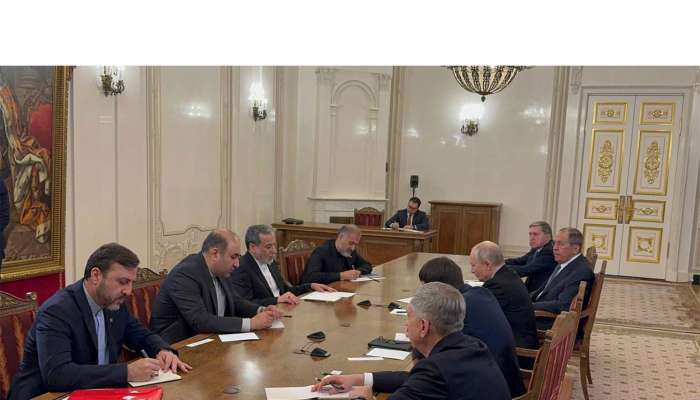
While Iran's mission to the UN has not officially commented, Foreign Minister Araghchi has engaged in talks with Russian President Vladimir Putin, who expressed support for Iran's perseverance against US and Israeli military actions. In Washington, the administration is reportedly reviewing the proposal, though Secretary of State Marco Rubio cautioned that the US will not permit Iran to exert total control over the vital shipping lane.
serious about making a deal
Regional analysts express skepticism about the plan's sustainability, with experts like Raz Zimmt from Israel's Institute for National Security Studies arguing that issues unresolved during the conflict are unlikely to be settled afterward. The Wall Street Journal, which reported on the proposal, notes the ongoing international attention as the situation develops.
Washington has no intention of allowing Iran to exercise total authority over the vital shipping lane.
DistantNews Editorial
Originally published by Times of Oman in English. Translated, summarized, and contextualized by our editorial team with added local perspective. Read our editorial standards.
More Stories


From Our Blog

What Gets Lost (and Found) When News Is Translated

The Critical Role of Diaspora Media in Global News

What Travellers Should Know About Countries with Restricted Press

A Digital Nomad's Guide to Following Local News

How the Same Story Looks Different in Different Countries
