


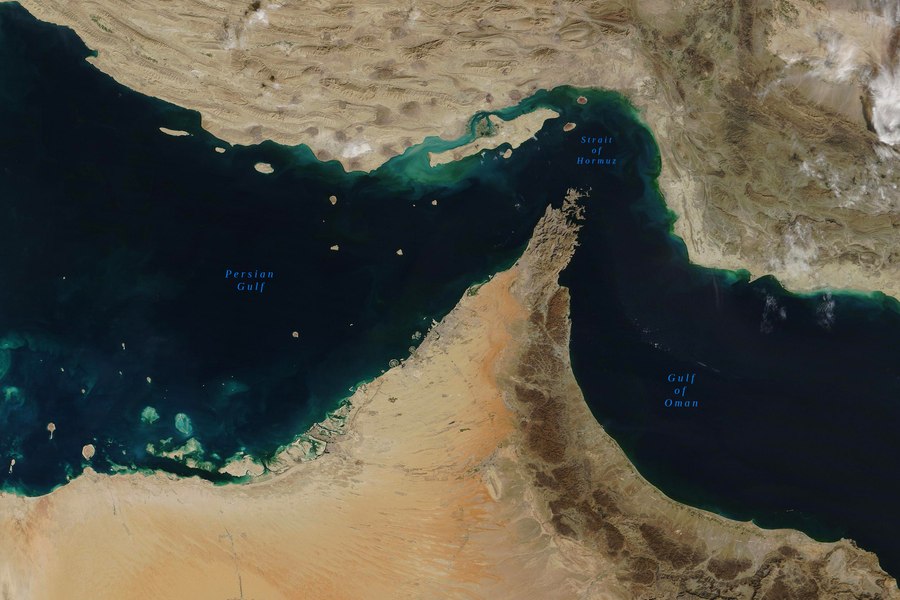
Iran rejects Trump's threat over Strait of Hormuz: 'It was, is, and will remain Iranian'
Translated from Romanian, summarized and contextualized by DistantNews.
At a glance
News
Sources not specified
Context piece
- Iran has rejected U.S. President Donald Trump's threat to declare the Strait of Hormuz American territory.
- Tehran insists the strait is Iranian and its opening and closing are solely at Iran's discretion.
- Tensions over the strait, a crucial route for global oil transport, risk further impacting international energy trade and negotiations.
Iran has firmly rejected statements by U.S. President Donald Trump regarding the Strait of Hormuz, with Tehran asserting its sovereign control over the strategic waterway. Trump had stated his intention to declare the strait "American territory" after Iran's defeat.
Responding to Trump's remarks, Iran's Deputy Foreign Minister Kazem Gharibabadi declared on the platform X that the Strait of Hormuz "was Iranian, is Iranian, and will remain Iranian." He added that the strait "will be closed and opened only at Iran's command" and accused Washington of refusing to accept the realities of the conflict.
It was Iranian, is Iranian, and will remain Iranian.
The Strait of Hormuz, connecting the Persian Gulf to the Gulf of Oman, is vital for global oil and gas transport, with approximately a quarter of the world's seaborne oil trade passing through it. Control over this chokepoint has been a central issue in U.S.-Iran negotiations.
Recent escalations, including Iranian attacks on ships in the strait and subsequent U.S. airstrikes and naval blockades, have heightened tensions. These developments threaten to further disrupt international energy transport and complicate ongoing diplomatic efforts between Washington and Tehran.
We have the blockade. No ship passes unless we want it to.
DistantNews Editorial
Originally published by Adevărul in Romanian. Translated, summarized, and contextualized by our editorial team with added local perspective. Read our editorial standards.
More Stories

From Our Blog

What Gets Lost (and Found) When News Is Translated

The Critical Role of Diaspora Media in Global News

What Travellers Should Know About Countries with Restricted Press

A Digital Nomad's Guide to Following Local News

How the Same Story Looks Different in Different Countries
