

Iran Reopens Strait of Hormuz Amidst Tensions, Warns of Reciprocal Blockade
Translated from Greek, summarized and contextualized by DistantNews.
TLDR
- Iran announced the full reopening of the Strait of Hormuz for commercial vessels, five weeks after closing it amid escalating Middle East tensions.
- The move was met with cautious optimism, but Iran simultaneously warned it would close the strait again if the U.S. continues its blockade of Iranian ports.
- U.S. President Trump welcomed the reopening, suggesting a peace deal was close and that Iran agreed to transfer its enriched uranium, though Tehran denied this specific point.
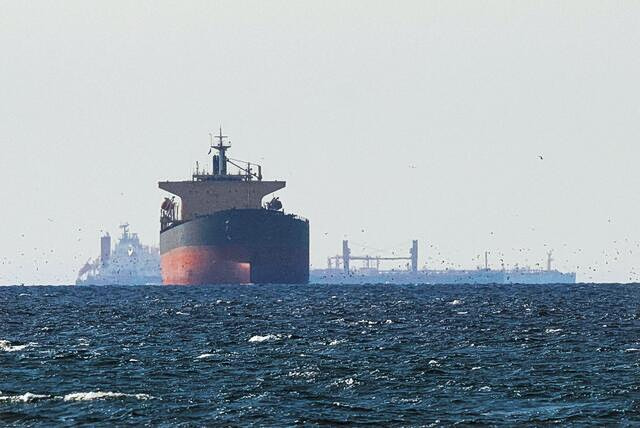
The recent developments surrounding the Strait of Hormuz present a complex and volatile picture, reflecting the high-stakes diplomacy currently underway in the Middle East. As reported by Ta Nea, Iran's announcement of the full reopening of this critical maritime passage offers a glimmer of hope, particularly for the global economy which has been significantly impacted by its closure. This move, coinciding with a ceasefire in Lebanon, initially fueled optimism for de-escalation.
We will go together with Iran to recover the enriched uranium, we will go get it and bring it back to the USA very soon.
However, the situation remains precarious. Iran's conditional reopening, tied to the U.S. lifting its blockade on Iranian ports, introduces a significant element of uncertainty. The warning that the Strait could be closed again underscores Iran's strategic leverage and its determination to counter perceived U.S. pressure. This diplomatic tightrope walk is further complicated by conflicting statements regarding Iran's nuclear program. While President Trump suggested a breakthrough involving the transfer of enriched uranium, Iranian officials have explicitly denied such an agreement.
The ships will pass only with Iran's permission.
From our perspective, the dual messaging from Tehran—opening the Strait while maintaining the threat of closure, and denying concessions on its nuclear program while the U.S. claims otherwise—highlights the intricate nature of these negotiations. The international markets' positive reaction to the Strait's reopening, with falling oil prices and rising stock markets, demonstrates the global economy's sensitivity to this chokepoint. Yet, the underlying tensions and the lack of clear consensus on key issues mean that stability remains elusive. The ongoing talks, mediated by Pakistan, are crucial, but the path to a lasting resolution is fraught with challenges, demanding careful navigation by all parties involved.
The announcement by Tehran for the full reopening of the Straits, which coincided with the start of the ceasefire in Lebanon, rekindled hopes for peace in the Middle East.
DistantNews Editorial
Originally published by Ta Nea in Greek. Translated, summarized, and contextualized by our editorial team with added local perspective. Read our editorial standards.
More Stories


From Our Blog

What Gets Lost (and Found) When News Is Translated

The Critical Role of Diaspora Media in Global News

What Travellers Should Know About Countries with Restricted Press

A Digital Nomad's Guide to Following Local News

How the Same Story Looks Different in Different Countries
