

Iran responds to US peace proposal, warns against new attacks
Summarized and contextualized by DistantNews.
TLDR
- Iran has submitted its response to a U.S. peace proposal aimed at ending the ongoing conflict, while warning against further U.S. strikes.
- Tehran's response, delivered via Pakistani mediators, reportedly focuses on ending the war on all fronts and ensuring shipping security.
- Israeli Prime Minister Benjamin Netanyahu insists the conflict is not over until Iran's enriched uranium is removed and its nuclear facilities are dismantled.
As CNA, we provide a Singaporean perspective on global events, focusing on regional stability and international relations. Iran's response to the U.S. peace proposal, coupled with its warnings against new attacks and maintaining control over the Strait of Hormuz, is a critical development with significant implications for global energy security and regional stability.
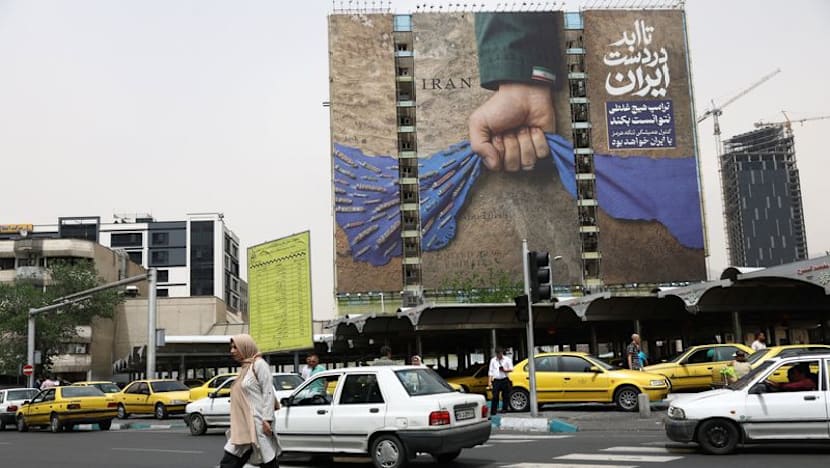
We will never bow down to the enemy, and if there is talk of dialogue or negotiation, it does not mean surrender or retreat.
Tehran's public stance, as articulated by President Masoud Pezeshkian, emphasizes defiance and a refusal to surrender, even amidst diplomatic overtures. This reflects a long-standing position of resistance against perceived external pressures. The focus on ending the war "on all fronts, especially Lebanon," and "ensuring shipping security" highlights Iran's strategic interests and its role in regional conflicts.
The contrasting position of Israeli Prime Minister Benjamin Netanyahu, who insists on the removal of enriched uranium and the dismantling of nuclear facilities, underscores the deep-seated nature of the conflict and the challenges to achieving a lasting peace. The U.S. position, as voiced by President Trump, appears to be one of increasing impatience, suggesting a potential shift in strategy if diplomatic efforts fail.
It's not over, because there's still nuclear material - enriched uranium - that has to be taken out of Iran. There's still enrichment sites that have to be dismantled.
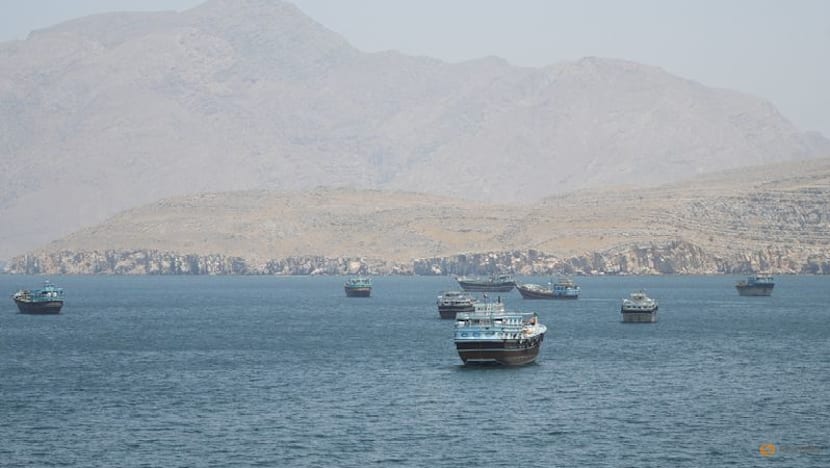
From a Singaporean standpoint, the situation in the Strait of Hormuz remains a paramount concern. As a major global shipping lane and a critical chokepoint for oil transport, any disruption has immediate and severe consequences for international trade and economies, including our own. Iran's blockade and subsequent toll mechanism, alongside the U.S. Navy's presence, create a volatile environment. CNA's reporting emphasizes the need for de-escalation and the securing of vital maritime routes, a perspective shaped by our nation's reliance on open sea lanes for survival and prosperity. The international community's efforts, led by Britain and France, to secure the strait post-peace deal are crucial steps towards ensuring global economic stability.
They will be laughing no longer!
DistantNews Editorial
Originally published by CNA. Summarized and contextualized by our editorial team with added local perspective. Read our editorial standards.
More Stories

From Our Blog

What Gets Lost (and Found) When News Is Translated

The Critical Role of Diaspora Media in Global News

What Travellers Should Know About Countries with Restricted Press

A Digital Nomad's Guide to Following Local News

How the Same Story Looks Different in Different Countries
