

Iran's strength lies in ideology, not bombs; nation remembers Flight 655 tragedy
Translated from Hungarian, summarized and contextualized by DistantNews.
At a glance
News
Sources not specified
Context piece
- Iran's strength lies in its ideology and moral foundations, not military power, according to a former parliament speaker.
- The country adheres to a religious ruling prohibiting the development of nuclear weapons.
- The article also recalls the 1988 downing of Iran Air Flight 655 by a U.S. warship, a tragedy that remains a somber memory.
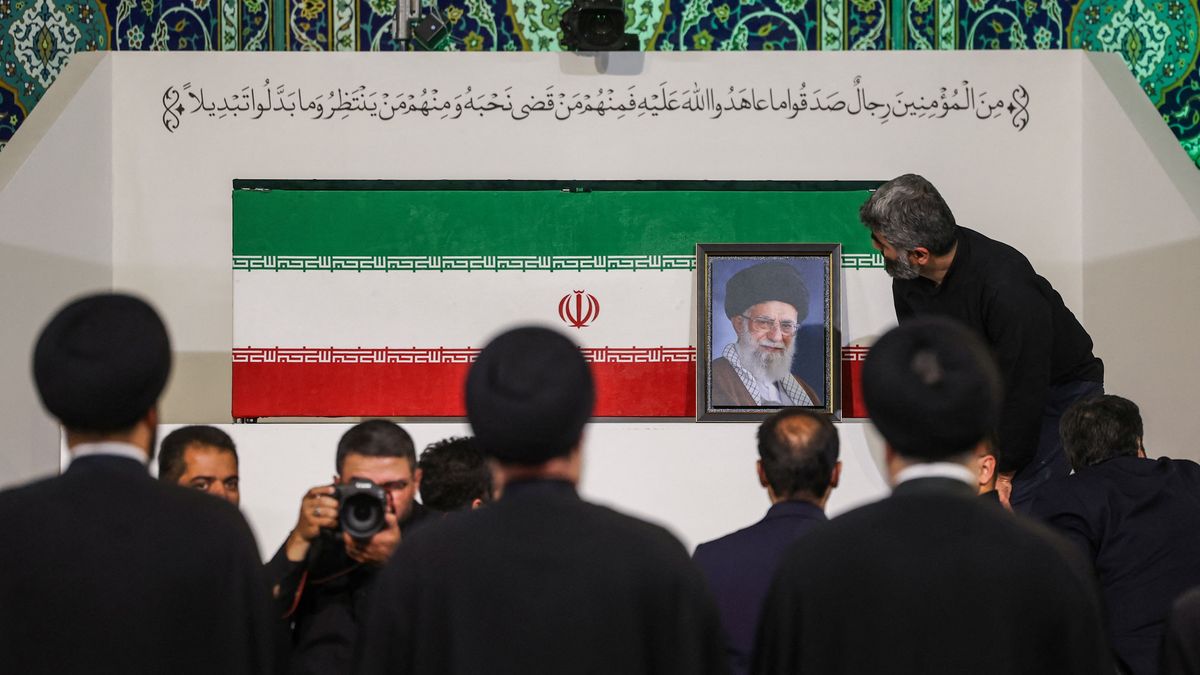
Iran's true power stems from its ideological, intellectual, and moral foundations rather than its military capabilities, according to Ali Motahari, former speaker of the Iranian parliament. Speaking to Press TV, Motahari praised the late Ayatollah's unwavering international resistance, which he believes strengthened Iran.
Motahari highlighted the Ayatollah's religious decree forbidding the creation of nuclear weapons, stating it was based on thorough religious legal examination. "Our strength is not an atomic bomb. We do not want to obtain an atomic bomb," he asserted. He added that Iran has not been broken by war, and America has retreated on several issues within the framework of the Islamabad agreement.
Our strength is not an atomic bomb. We do not want to obtain an atomic bomb.
The article also touches upon a somber anniversary in Iran: July 3rd, the commemoration of the downing of Iran Air Flight 655 in 1988. A U.S. warship, the USS Vincennes, mistakenly shot down the passenger plane, mistaking it for an Iranian F-14 fighter jet. The incident resulted in the deaths of 290 people, including 65 children. Iran demanded an apology from Washington, but received none, though President Ronald Reagan expressed deep sorrow and compensation was paid without an admission of responsibility. Notably, the USS Vincennes later received military commendations for its mission without any mention of the tragic event.
Iran has not been broken by war, and America has retreated on several issues within the framework of the Islamabad agreement.
DistantNews Editorial
Originally published by Magyar Nemzet in Hungarian. Translated, summarized, and contextualized by our editorial team with added local perspective. Read our editorial standards.
More Stories
From Our Blog

Countries Without a Free Press: What You Need to Know

What Press Freedom Means for the News You Read

What Gets Lost (and Found) When News Is Translated

The Critical Role of Diaspora Media in Global News

What Travellers Should Know About Countries with Restricted Press
